HISTORY OF PHOTOGRAPHY

HISTORY OF PHOTOGRAPHY

Our world today is filled with photos. Everywhere we see, there are photographs in some or the other form. Posters, photo frames, calendars, advertisements, packages of products etc. Today we could take a photo with a tap or click of the button but when we go down to the history, the first photograph took around 8 hours to be captured. Photography was started even before the word “Photography” was coined. Every technology that we are using today has a jaw-dropping advancement and history to it. Photography and cameras are no exceptions. The birth of photography itself has lead to several industrial and technological evolutions. We could not think of films, advertisement, television shows today if it wasn’t for camera.

Now let’s date back to beginning era of how image was captured on a screen and how photography evolved.

CAMERA OBSCURA

It works on the same principle as Pinhole camera we studied during the science classes in our school. It’s no jargon. It literally means “dark chamber” or “dark room” in Latin. It is found that the working principle was mentioned in Chinese scriptures which date back to 5th century. Later during the 6th century it was used Leonardo DaVinci and other well known scientists of that period. Around 1452-1519 DaVinci used to draw 3D and perspective drawings as the image (buildings)were represented on the wall, he placed a canvas on top of that and created intricate drawings.

But it was an Arab scientist called Alhazen who made a working model and invented Camera Obscura around 11th century in Egypt.

HELIOGRAPHY

Joseph Niepce, a name to be etched in the era of photography. He was a French man who was very much interested in Photography. He took the world’s first photograph in 1826. He captured what’s known as “view from the window at Le Gras”. It was a permanent photograph. It took around 8 hours to capture, so it’s evident in the photograph that sun’s rays fall on both sides of the wall. He called it “Heliography”

DAGUERREOTYPE

In 1837, Louis Daguerre collaborated with Joseph Niepce invented the practical photographic process and he called it the “Daguerreotype”. Why it was so important to know about this is because, in 1839 the French government made it free to the use of public, they called it as “a gift free to world” so it was commercially available. Though the process didn’t take hours, it took around 10-15 minutes and that is the reason the early portrait photography has stern and dull face humans because it was not possible to smile for so long.

Though it was successful it had its disadvantages: They couldn’t pose for so long, so the clamp or head rest was invented, it fixed the humans to posture. It was a positive and hence several copies of it couldn’t be made.

CALOTYPE

Overcoming the disadvantages of Daguerreotype, William Henry Fox Talbot invented the calotype in 1839. It provided negatives, so several copies could be made.

PHOTOGRAPHY WAS COINED

The words we are using today in the field of photography were coined by John Herschell. Sir John Frederick William Herschel was a British mathematician and an astronomer, he coined the term “Photography” in 1839. He also holds credit to the terms “positive, negative and snapshot”.

CARTE DE VISITE

Around 1854, in Europe, Andre Adolphe Eugene Disderi invented “Calling cards”. It was cards mounted on photo albums. They were cheap and easily able to make multiple copies. It was very famous during the Victoria era.

DRY PLATE PHOTOGRAPHY

Until now, the photographs required a dark room to process the photos. Dr Richard Maddox invented the technique of dry plate photography, he used gelatin instead of glass unlike the wet plate photography.

MOTION PHOTOGRAPHY

In 1872, Eadward Muybridge accidentally discovered motion photography when he wished to solve the riddle of whether all four hooves of a galloping horse were off the ground. He arranged 12 cameras along a race track, he attached a string to all the cameras so that when the horse crosses it pulls the string and each camera photographs its path. It was true that all four hooves were off the ground. But to his surprise he got a series of photographs which looked like a horse in motion. He then developed techniques to capture the motion of animals and humans.

FIRST COLOUR PHOTOGRAPH

Louis Ducous du Hauron is credited as the first person to take colour photography, ie in 1872. It was a landscape of Angouleme in Southern France.

PHOTOGRAPHIC GUN

Etienne Jules Marey a French scientist invented the photographic gun in 1880. He wished to learn the flight of birds. He made a gun which had a circular tin on top of the trigger which contained a rotating glass plate. It could take 12 consecutive photos per second.

EASTMAN KODAK CAMERA

George Eastman is one of the pioneers in photography. He made photography available to everyone.

He used the method of dry plate photography. He invented the celluloid based films and the portable box cameras in 1884 and 1888 respectively.

He invented the plastic roll films, once the camera captures 100 photographs they can bring the roll box to Kodak and they would process. Hence the tagline “You press the button, we do the rest”.

TWIN LENS REFLEX CAMERA

The TLR camera has two lenses which is of the same focal length. One of the lenses is used to capture the photos while the other lens is used as the viewfinder.

It was used around 1885-1929.

RANGE FINDER CAMERA

Oskar Barnack, a German design engineer in 1913 developed a 35 mm camera. It has a separate range finder which focuses on the subject and allows to view the depth.

In 1924 it was mass produced. It was then called the “Leica” camera.

SINGLE LENS REFLEX FILM CAMERA

There are many developments in SLR cameras ranging from large and medium format SLRs by Pentax, 35mm SLR Asahiflex in 1952. The first pentaprism SLR for eye-level viewing was the Contax S built around 1949. The first 35mm SLR, Ihagee Kine Exakta was produced in 1936.

DIGITAL SINGLE LENS REFLEX CAMERA

The cameras we are using today, it has the same principal functions of SLR camera. It is said that around 1987 the Kodak Research labs came up with the first digitzed photo storage and integrated image sensor and the functional DSLR was commercially made available by Kodak in 1991.

Now it’s quite shocking to know that it has been 180 years since the invention of photography and that advancement in the field of photography is rapid. Today every Smartphone can take extremely good photos but it all started with pinhole cameras.


Some More Cool Projects

Masjid Hajjah Fatimah

Masjid Hajjah Fatimah

Game assets

Masjid Hajjah Fatimah

Masjid Hajjah Fatimah is one of Singapore’s oldest and most distinctive mosques, known for its unique blend of Islamic and European architectural influences. Located in Kampong Glam, it stands as a symbol of cultural heritage and historical significance within the Muslim community.

This Digital Twin project recreates the mosque in a detailed virtual environment, allowing users to explore its architecture and appreciate its unique design in an immersive and accessible way.

What We Did

  • 3D Architectural Modeling: Recreated the mosque’s structure with accurate proportions and detailing
  • Material & Texture Development: Developed realistic surfaces to reflect its historical and architectural character
  • Lighting & Environment: Applied natural lighting to enhance depth and highlight key design elements
  • Optimization: Ensured smooth performance for real-time interaction across platforms

Outcome

The Digital Twin of Masjid Hajjah Fatimah transforms a historically significant landmark into an interactive digital experience. It allows users to explore the mosque remotely, improving accessibility while preserving its architectural and cultural identity.

With optimized performance and scalable design, the model can be used for virtual tours, educational purposes, and immersive AR/VR applications. This project demonstrates how heritage spaces can be preserved and experienced through modern digital technology.

burj al arab

burj al arab

Digital Twin

Burj al Arab

Burj Al Arab is one of the most iconic luxury hotels in the world, located in Dubai and renowned for its distinctive sail-shaped architecture. It stands as a symbol of modern engineering, innovation, and architectural excellence.

This Digital Twin project recreates the Burj Al Arab in a detailed virtual environment, allowing users to explore its unique structure and appreciate its design from an immersive digital perspective.

What We Did

  • 3D Architectural Modeling: Recreated the sail-shaped structure with accurate proportions and structural detailing
  • Material & Texture Development: Captured reflective surfaces and exterior materials to match the building’s identity
  • Lighting & Environment: Designed realistic lighting to enhance form, depth, and visual impact
  • Optimization: Ensured smooth real-time performance across platforms

Outcome

The Digital Twin of Burj Al Arab transforms an iconic architectural landmark into an interactive digital experience. Users can explore the structure virtually, gaining a deeper understanding of its design and scale without physical constraints.

With optimized performance and high visual fidelity, the model is suitable for web-based platforms, virtual tours, and immersive AR/VR applications. This project demonstrates how complex architectural designs can be effectively translated into scalable and engaging digital environments.

H Building

H Building

Digital Twin

H building

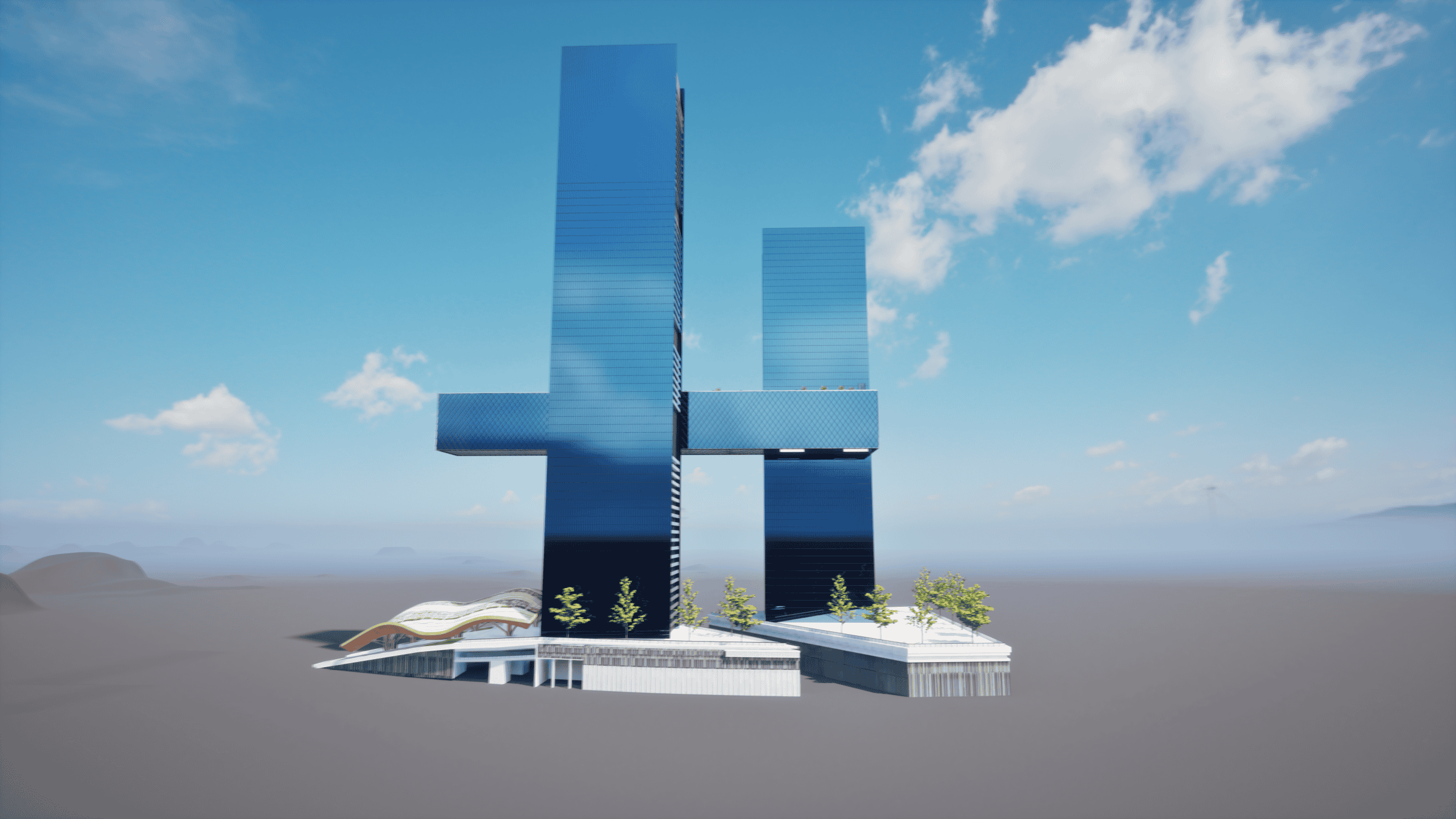
H buildings are a defining part of Singapore’s urban landscape, representing modern public housing and community living. Designed for functionality and efficiency, these residential structures play a key role in shaping everyday life across the city.

This Digital Twin project recreates an HDB building in a detailed virtual environment, allowing users to explore its structure, layout, and architectural features in an interactive and accessible way.

What We Did

  • 3D Architectural Modeling: Recreated the building structure with accurate proportions and layout
  • Material & Texture Development: Developed realistic surfaces to reflect common construction materials
  • Lighting & Environment: Applied natural lighting to simulate real-world conditions and enhance depth
  • Optimization: Ensured smooth performance for real-time interaction across platforms

Outcome

The Digital Twin of the H building provides an immersive and practical representation of residential architecture in Singapore. It allows users to visualize and explore the building remotely, making it useful for education, urban planning, and digital presentations.

With optimized performance and scalable design, the model can be adapted for web-based platforms, virtual tours, and AR/VR applications. This project demonstrates how everyday structures can be transformed into interactive digital experiences that support both communication and innovation.

Museum of future

Museum of future

Digital Twin

Museum of the Future

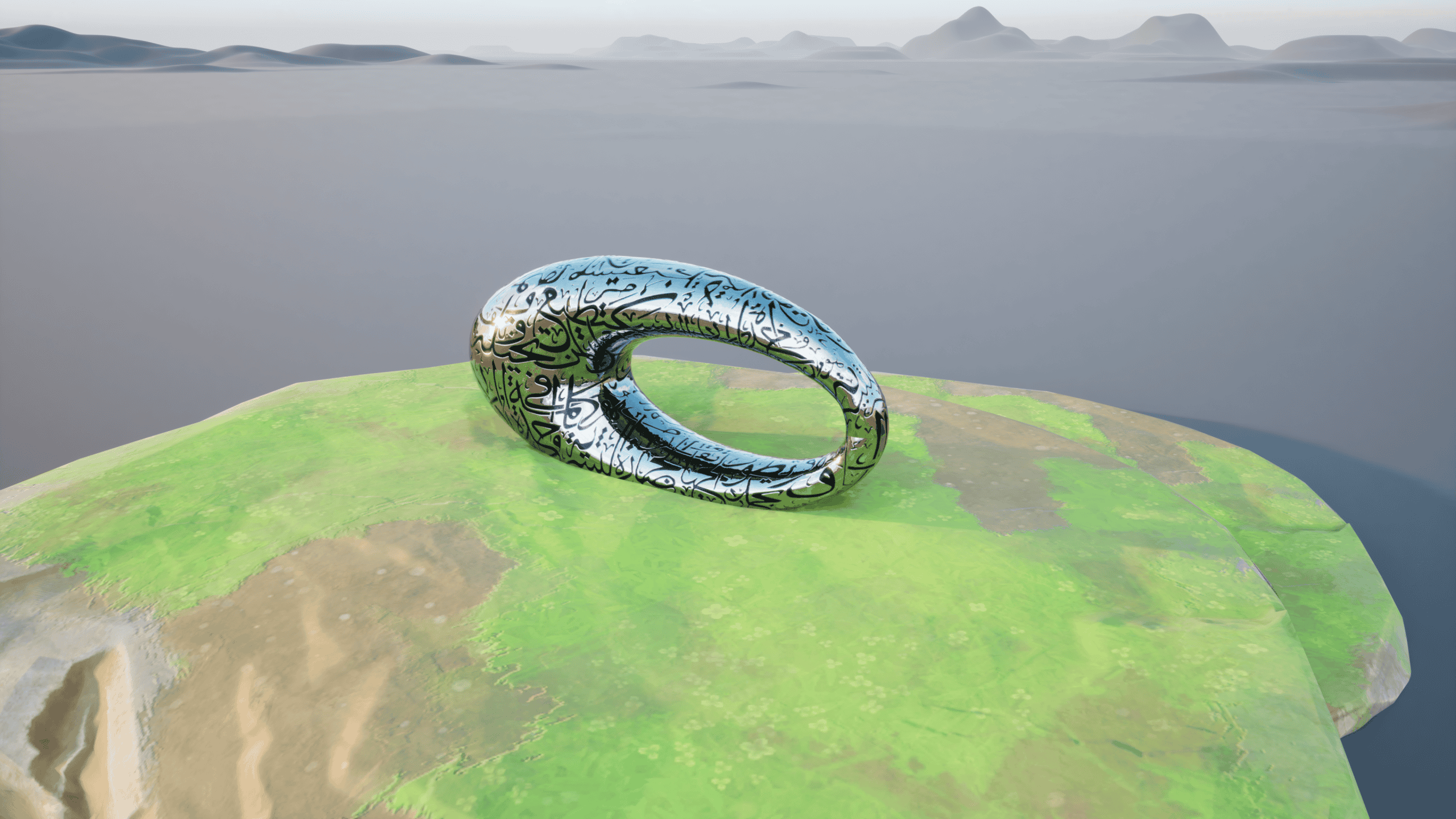
The Museum of the Future in Dubai is a world-renowned architectural landmark that represents innovation, technology, and forward-thinking design. Known for its unique torus-shaped structure and futuristic façade, it stands as a symbol of human imagination and progress.

This Digital Twin project recreates the museum in a detailed virtual environment, allowing users to explore its iconic form and experience its design from an immersive digital perspective.

What We Did

  • 3D Architectural Modeling: Recreated the complex curved structure with accurate proportions and detailing
  • Material & Texture Development: Captured the reflective metallic surface and distinctive façade patterns
  • Lighting & Environment: Applied realistic lighting to enhance depth and highlight architectural features
  • Optimization: Ensured smooth performance for real-time interaction across platforms

Outcome

The Digital Twin of the Museum of the Future transforms a complex architectural masterpiece into an accessible digital experience. Users can explore the structure virtually, gaining a deeper understanding of its design and scale without physical limitations.

The project also serves as a scalable digital asset for virtual tours, presentations, and immersive applications. With optimized performance and high visual fidelity, it is suitable for web-based platforms as well as future AR and VR experiences, extending its reach to a global audience.

Assets Optimization & integration

Assets Optimization & integration

UI/UX

Asset Optimization & Integration

Asset optimization and integration ensure that all game assets perform efficiently within a real-time environment without compromising visual quality. This process focuses on preparing assets for smooth performance while ensuring they work seamlessly within the game engine.

It is a crucial step in bridging creative design and technical implementation, allowing assets to function reliably across different platforms and devices.

What We Did

  • Polygon Optimization: Reduced geometry complexity while maintaining visual fidelity
  • Texture Optimization: Adjusted texture sizes and formats for efficient memory usage
  • LOD Setup (Level of Detail): Created multiple detail levels to improve performance at different distances
  • Engine Integration: Imported and configured assets within Unity or Unreal Engine
  • Material & Lighting Setup: Ensured correct rendering, shading, and consistency within the scene

Outcome

The final assets are optimized for real-time performance, ensuring smooth gameplay and faster load times across platforms. By balancing visual quality with technical efficiency, the assets integrate seamlessly into the game environment without causing performance issues.

This results in a stable, scalable, and production-ready solution that enhances user experience while supporting deployment across mobile, PC, and immersive platforms such as AR and VR.

Material & Texture Development

Material & Texture Development

03_Family Justice Courts

Material & Texture Development

Material and texture development defines the surface quality and visual realism of digital assets. It plays a critical role in how objects interact with light, influencing depth, detail, and overall visual appeal.

This process focuses on creating high-quality materials and textures that align with the project’s art style, whether realistic or stylized, while ensuring consistency across all assets.

What We Did

  • Material Creation: Developed physically accurate or stylized materials to match the project’s visual direction
  • Texture Mapping: Applied detailed textures to enhance surface quality and realism
  • PBR Workflow: Implemented maps such as base color, roughness, normal, and metallic for realistic rendering
  • Surface Detailing: Added wear, imperfections, and fine details to improve authenticity
  • Optimization: Ensured textures are efficient and suitable for real-time performance

Outcome

The final materials and textures significantly enhance the visual quality of assets, making them more realistic and immersive. By accurately responding to lighting and environmental conditions, they contribute to a more believable and engaging experience.

With optimized texture sizes and efficient workflows, the assets maintain high performance while delivering strong visual impact. These materials are scalable and adaptable across different platforms, including games, simulations, and AR/VR applications.

Character & Prop Assets

Character & Prop Assets

Character & Prop Assets

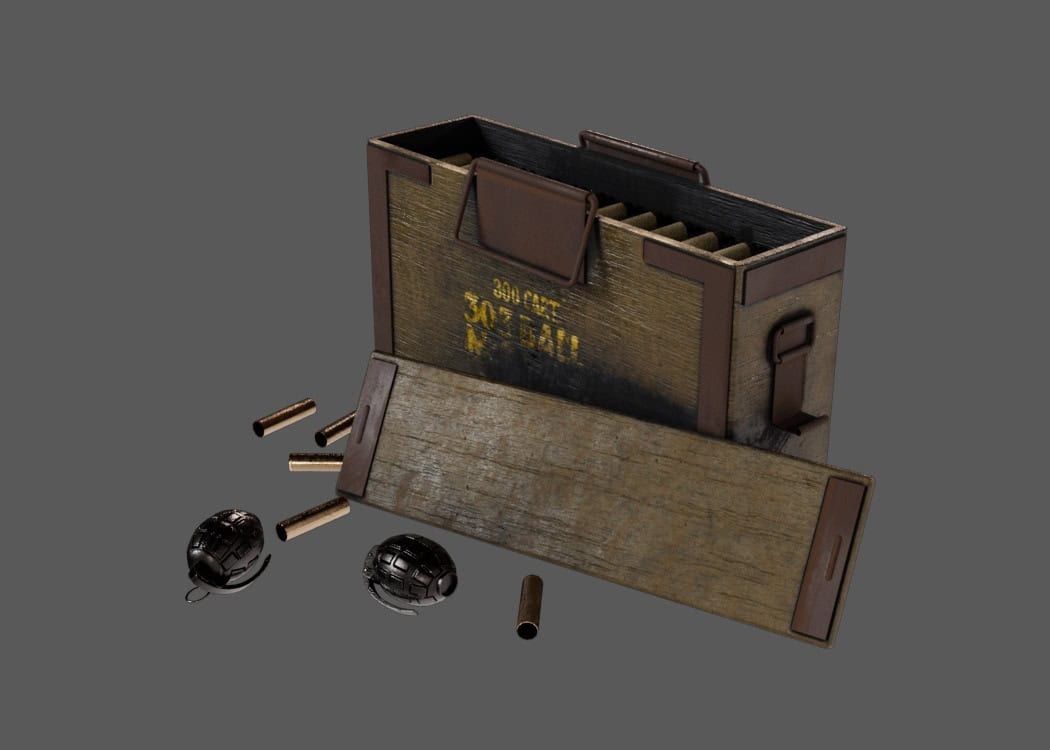
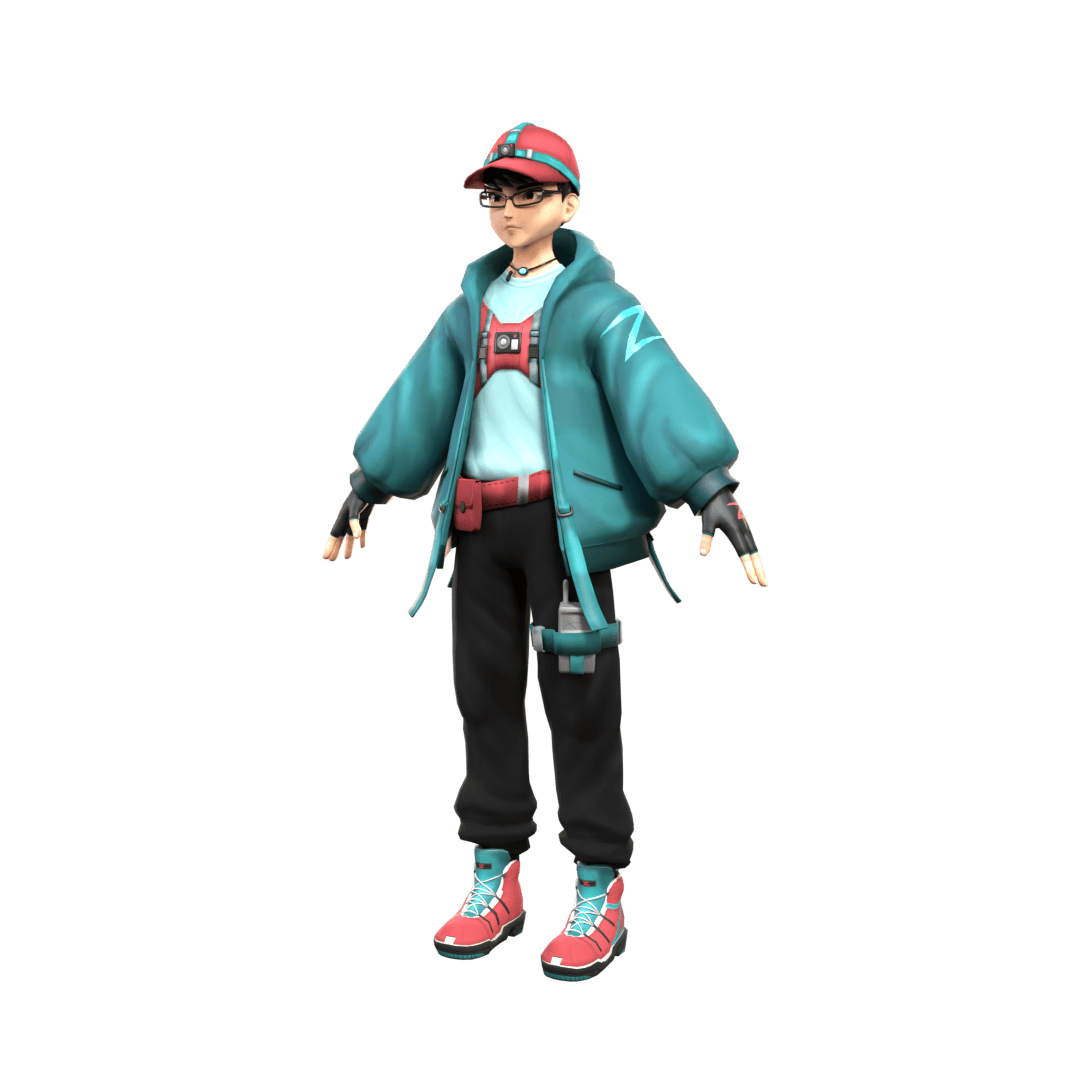
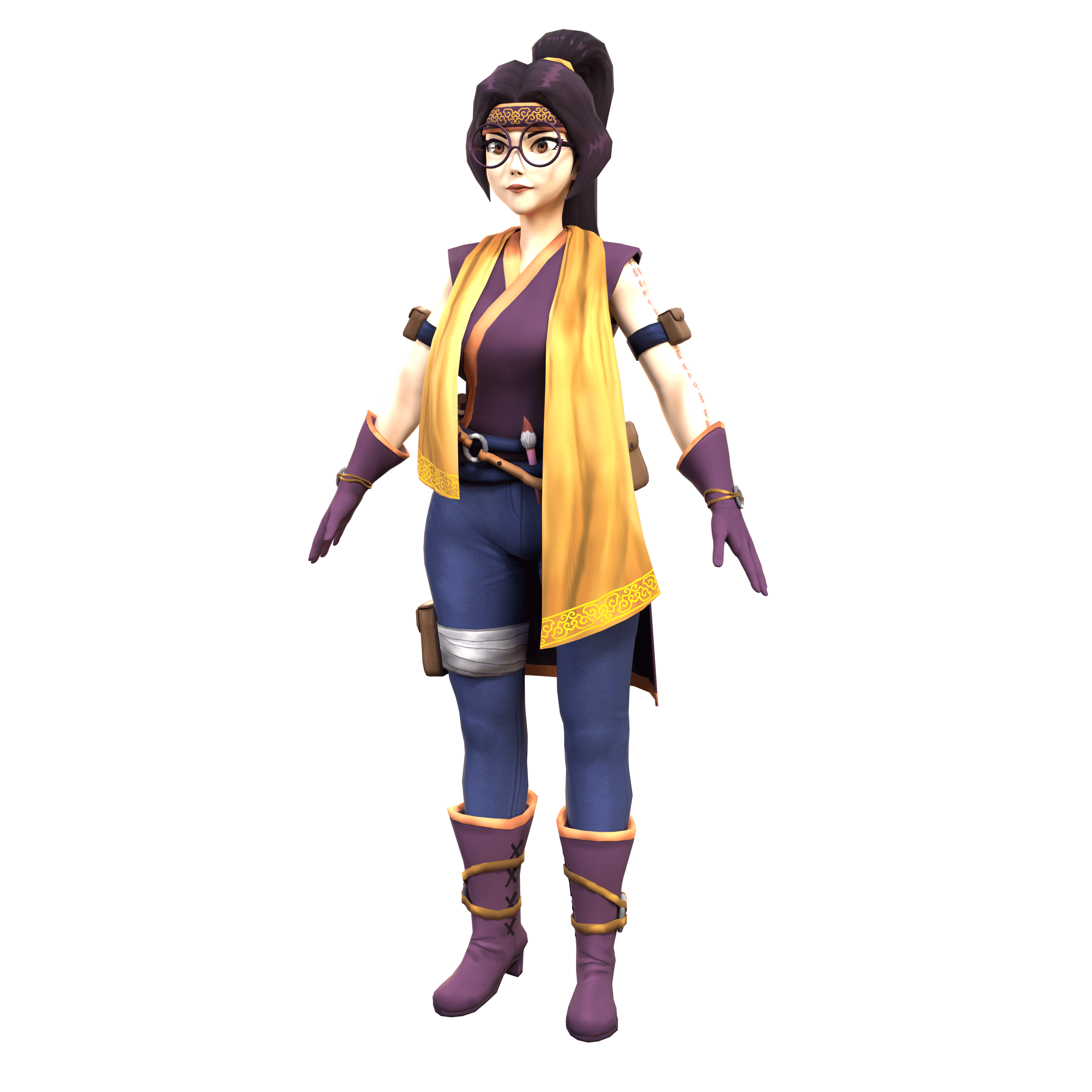
Character and prop assets bring life, interaction, and personality into a digital experience. Characters define identity and storytelling, while props enhance gameplay by adding functional and interactive elements within the environment.

This project focuses on creating detailed and optimized assets that align with the overall art style, ensuring both visual consistency and real-time performance.

What We Did

  • Character Modeling: Designed and built characters with accurate proportions and stylized or realistic detailing
  • Prop Creation: Developed interactive objects such as tools, furniture, and environment elements
  • Material & Texture Development: Applied high-quality textures to enhance visual depth and realism
  • Rigging & Preparation: Prepared assets for animation and in-game interaction where required
  • Optimization: Ensured all assets are lightweight and performance-ready for real-time use

Outcome

The final assets enhance the overall experience by adding depth, interaction, and visual identity to the project. Characters help drive storytelling and engagement, while props support gameplay and environment interaction.

With optimized design and scalable structure, these assets integrate seamlessly into game engines and can be used across multiple platforms, including games, simulations, and AR/VR applications.

Game Environment

Game Environment

Shot_2

Game Environment

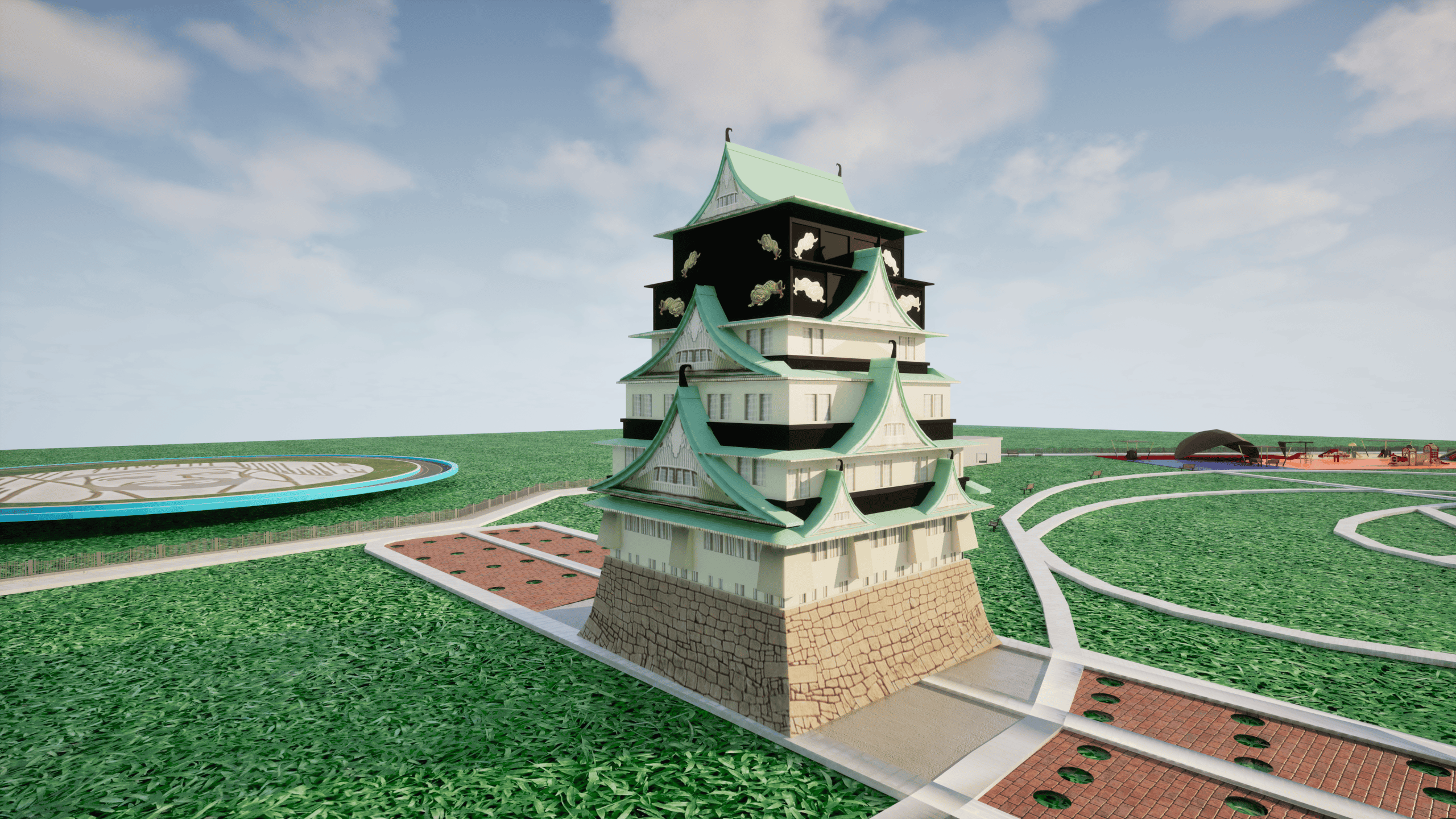
Game environments form the foundation of immersive digital experiences, shaping how players explore and interact with the game world. From realistic architectural spaces to stylized fantasy landscapes, environments define the atmosphere, mood, and overall visual identity of a project.

This project focuses on creating a detailed and optimized game environment that balances visual quality with real-time performance, ensuring a smooth and engaging user experience.

What We Did

  • 3D Environment Modeling: Designed and built detailed landscapes, structures, and environmental elements
  • Material & Texture Development: Created realistic or stylized surfaces to enhance visual appeal
  • Lighting & Atmosphere: Implemented lighting to establish mood, depth, and environmental storytelling
  • Level Composition: Structured the environment to support navigation and user interaction
  • Optimization: Ensured assets are performance-ready for real-time rendering across platforms

Outcome

The final environment delivers a visually immersive and interactive digital space that enhances user engagement and overall experience. By combining detailed design with optimized performance, the environment runs smoothly across devices while maintaining high visual quality.

It can be used across multiple applications, including games, simulations, and AR/VR experiences, making it a flexible and scalable asset. The result is a well-balanced environment that supports both creative storytelling and technical efficiency.

Dubai Frame

Dubai Frame

Digital Twin

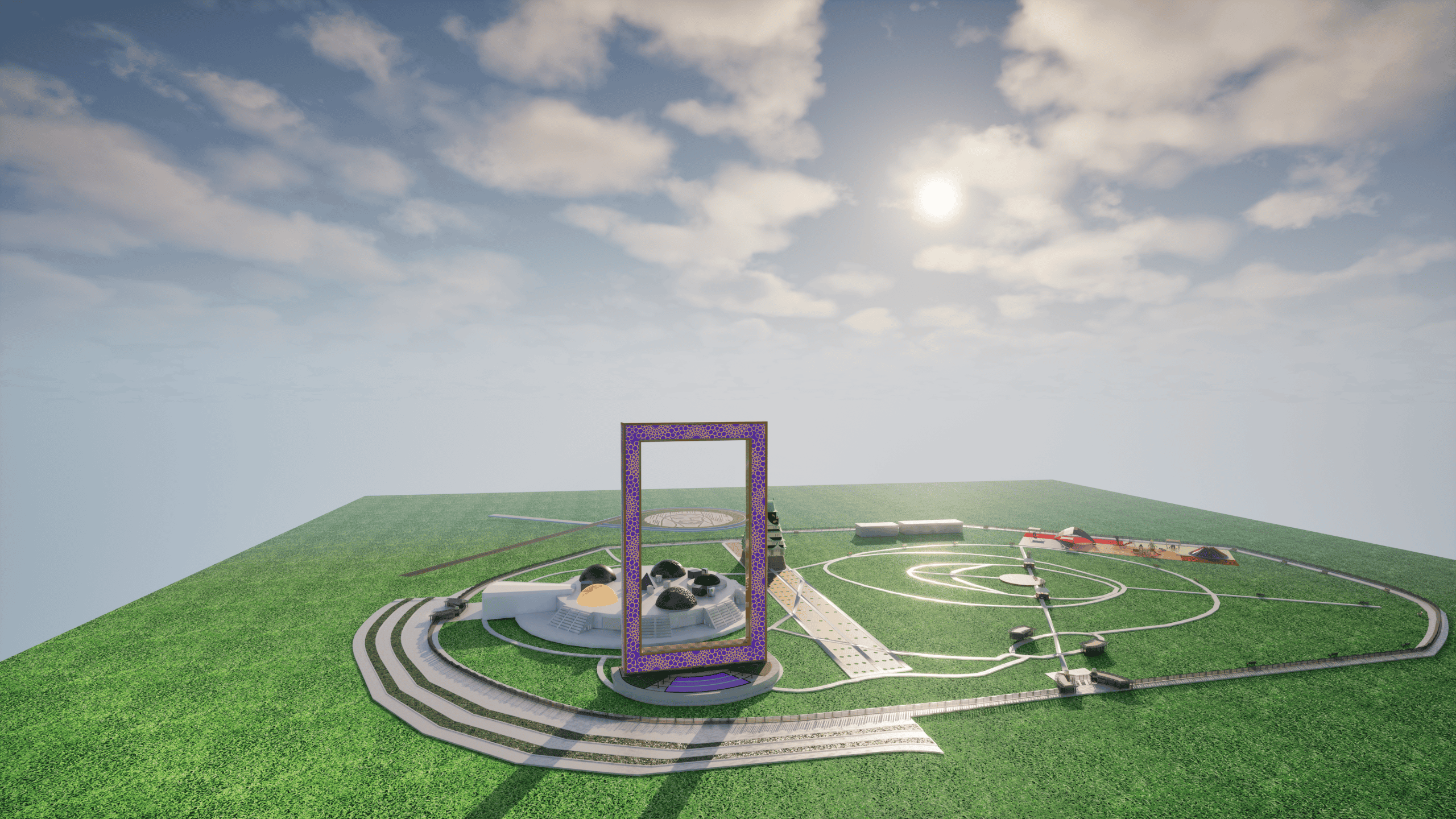
Dubai Frame

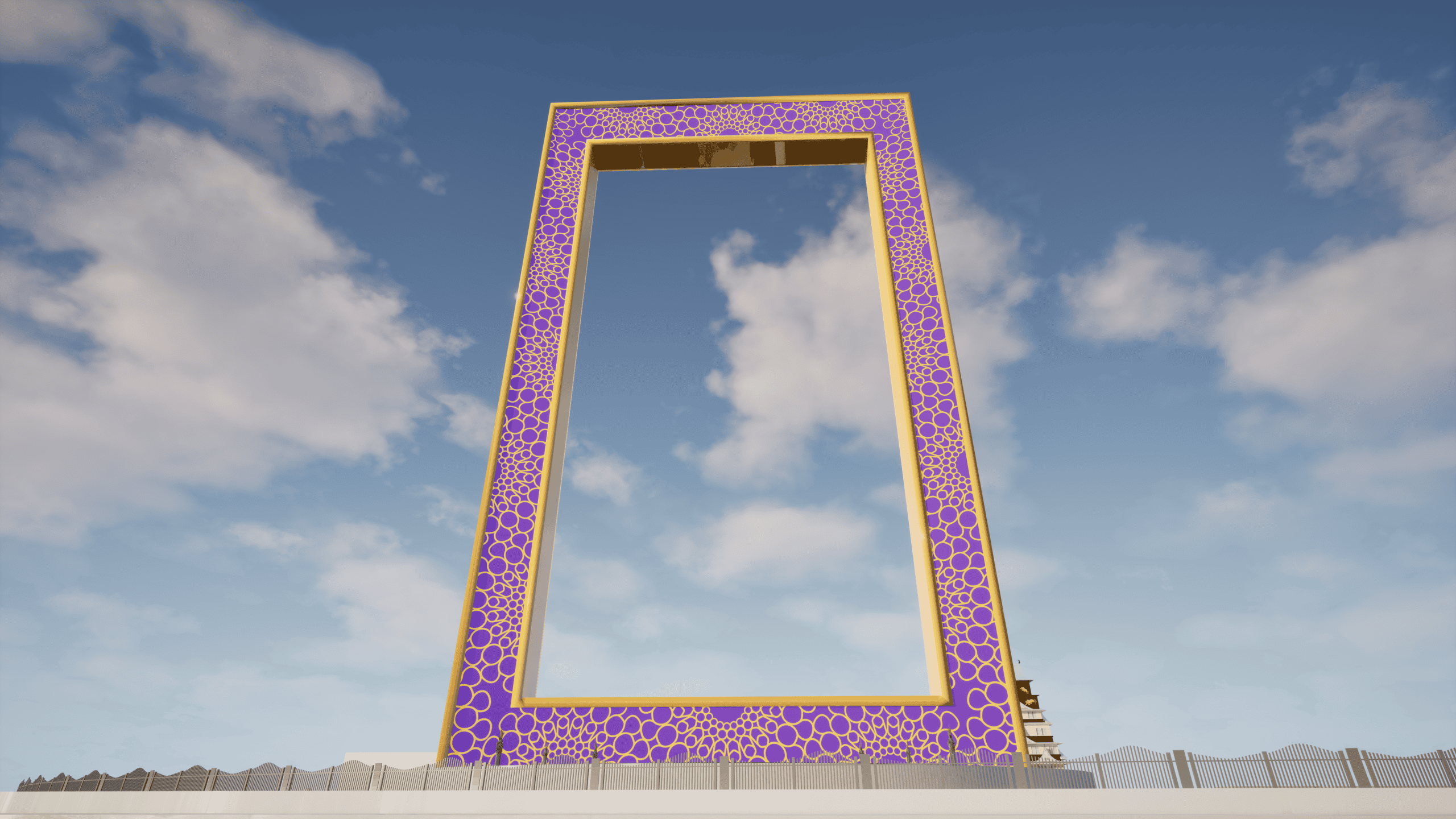
Dubai Frame is one of the city’s most iconic architectural landmarks, symbolizing the connection between old and new Dubai. Standing as a massive rectangular structure, it frames panoramic views of both the historic districts and the modern skyline, representing the city’s transformation over time.

This Digital Twin project recreates the Dubai Frame in a detailed virtual environment, allowing users to explore its structure and experience its scale and design from a new perspective.

What We Did

  • 3D Architectural Modeling: Recreated the full structure with accurate proportions and structural details
  • Material & Texture Development: Captured the distinctive golden façade and reflective surfaces
  • Lighting & Environment: Designed realistic lighting to enhance depth and highlight the landmark’s form
  • Optimization: Ensured smooth performance for real-time interaction across platforms

Outcome

The Digital Twin of Dubai Frame transforms a modern architectural icon into an immersive digital experience. It allows users to explore the structure virtually, understand its scale, and appreciate its design without being physically present.

The project also serves as a scalable digital asset for virtual tours, presentations, and interactive applications. With optimized performance and high visual accuracy, it is suitable for web-based experiences as well as future AR and VR integrations, extending accessibility to a global audience.

The Cenotaph

The Cenotaph

5

The Cenotaph

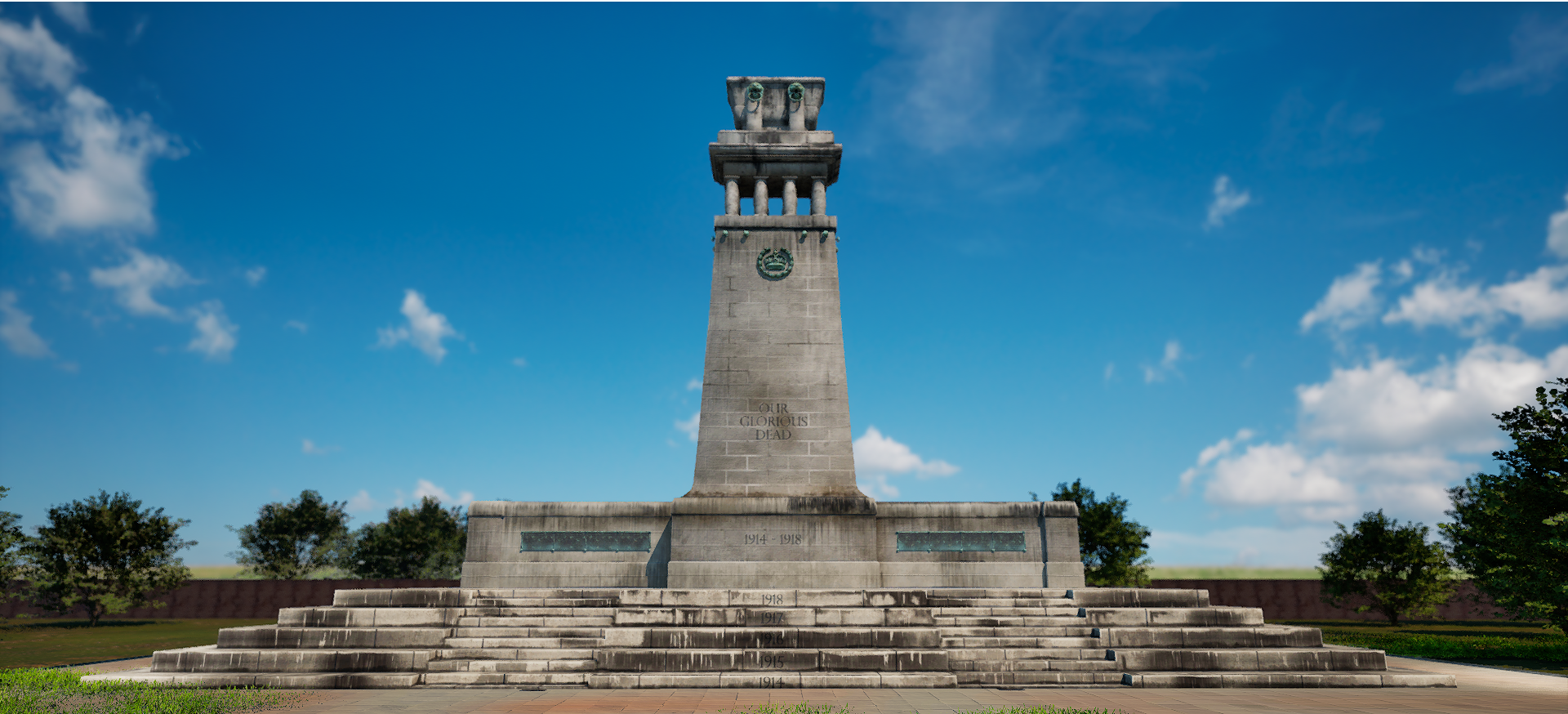
The Cenotaph is a historic war memorial located in Singapore, dedicated to honoring the sacrifices of soldiers who lost their lives during World War I and World War II. As a symbol of remembrance and respect, it holds deep historical and cultural significance within the nation.

This Digital Twin project recreates the monument in a detailed virtual environment, allowing users to experience and explore its structure in an immersive and accessible way.

What We Did

  • 3D Modeling: Accurately recreated the monument’s structure with precise proportions and detailing
  • Material & Texture Work: Developed realistic stone textures to reflect the original surface and aging
  • Lighting & Environment: Designed natural lighting to enhance depth and highlight the monument’s form
  • Optimization: Ensured smooth performance for real-time viewing across platforms

Outcome

The Digital Twin of The Cenotaph transforms a significant historical monument into an interactive digital experience. It enables users to explore and appreciate the memorial remotely, making it more accessible for education, virtual tours, and cultural awareness.

Beyond visualization, the project serves as a digital archive, preserving the monument’s structure and historical importance for future generations. With optimized performance and scalability, it can be adapted for web, AR, and VR platforms, extending its reach and impact.

Sultan Mosque

Sultan Mosque

SHOT 5

Sultan Mosque

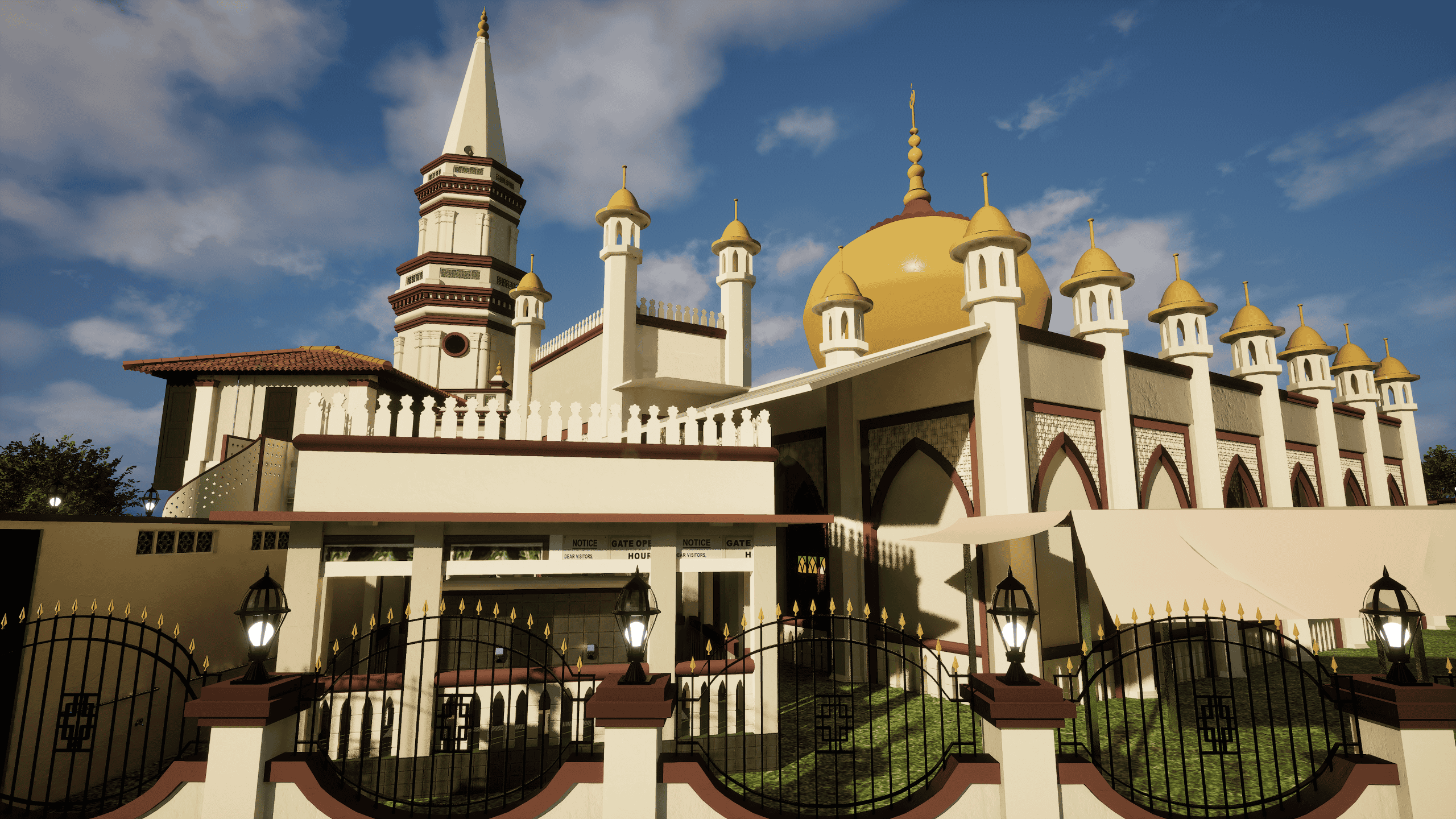
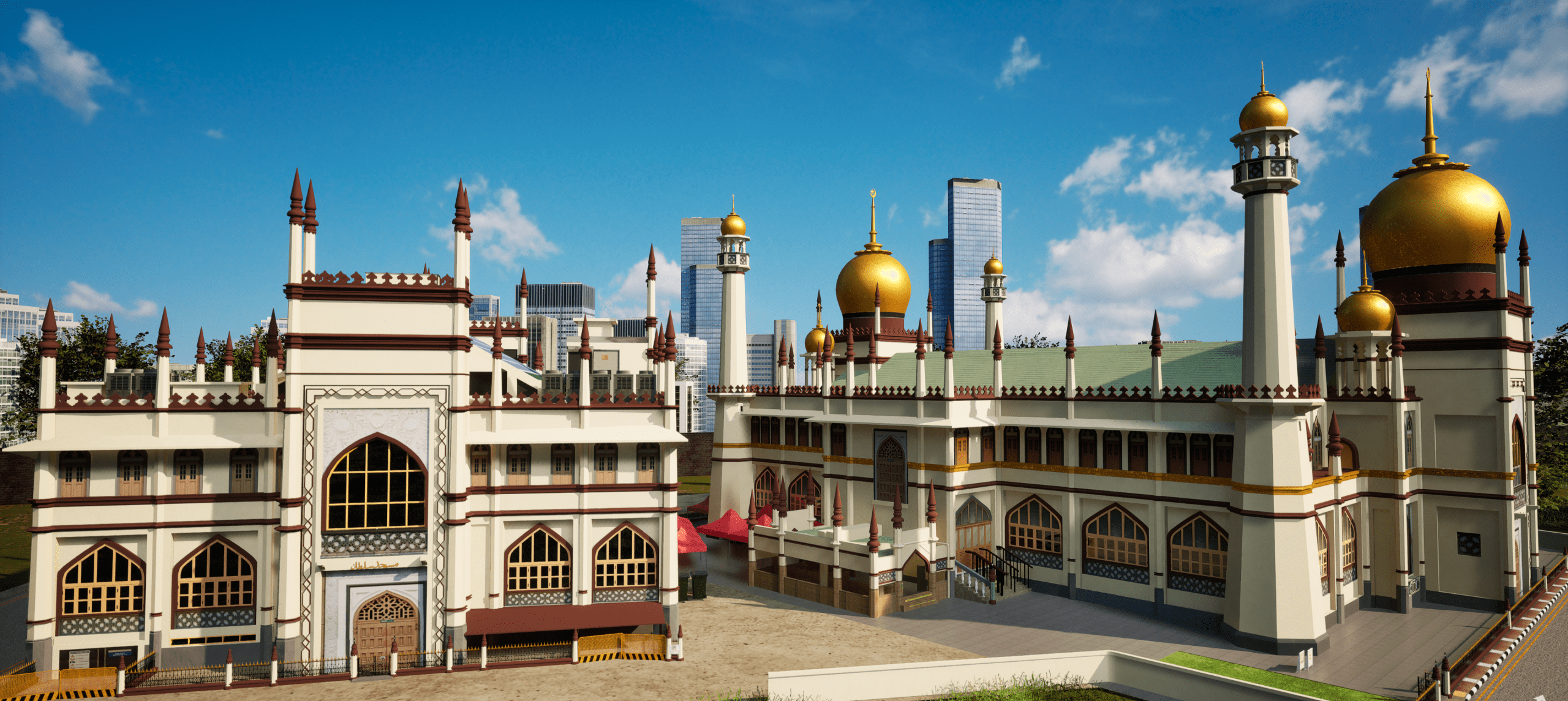
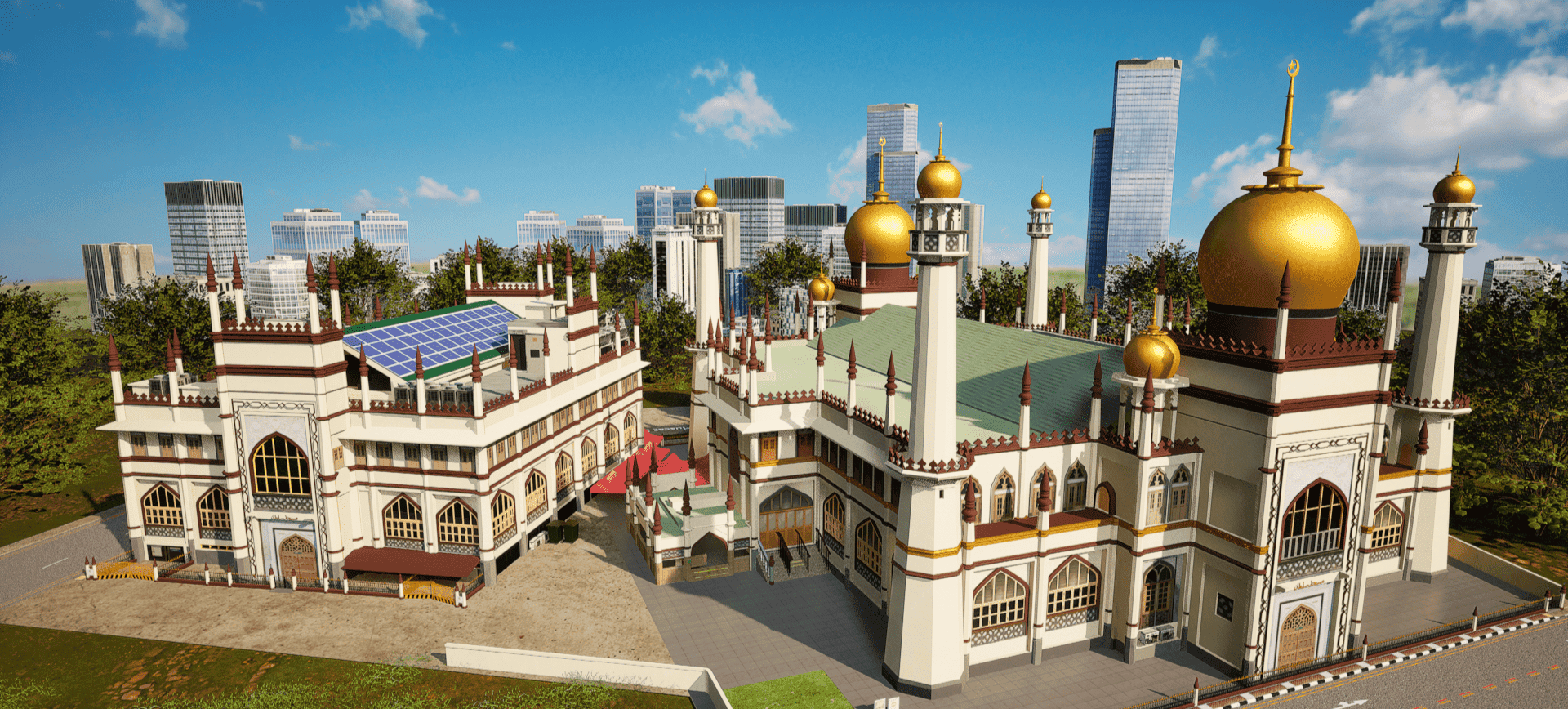
Sultan Mosque, also known as Masjid Sultan, is one of Singapore’s most iconic religious landmarks located in the historic Kampong Glam district. Renowned for its majestic golden domes and grand architectural design, the mosque stands as a symbol of the Muslim community’s heritage and cultural identity in Singapore.

Through this Digital Twin project, the mosque has been recreated in a detailed virtual environment, allowing users to explore its structure and appreciate its historical significance in an immersive and accessible way.

What We Did

  • Detailed 3D Modeling: Captured domes, minarets, and structural elements with high precision
  • Material & Surface Design: Recreated textures and finishes for realistic visual output
  • Lighting Setup: Simulated natural lighting to highlight architectural features
  • Performance Optimization: Balanced visual quality with smooth real-time performance


Outcome

The Digital Twin of Sultan Mosque delivers an immersive representation of one of Singapore’s most iconic landmarks, enabling users to experience its architectural beauty in a virtual environment. It enhances accessibility by allowing global audiences to explore the space remotely while gaining a deeper appreciation of its cultural and historical significance.

Beyond visualization, the project supports heritage preservation by digitally documenting the mosque’s structure with high accuracy. Its optimized design ensures smooth performance across platforms, making it suitable for web-based experiences, virtual tours, and future AR/VR integrations.

Indian Heritage Centre

Indian Heritage Centre

Indian Heritage Building

Digital Twins are increasingly used to replicate buildings and environments in a virtual space. From heritage sites to modern infrastructure, a digital model allows users to explore, analyze, and manage spaces remotely.

These digital environments can simulate real-world conditions such as lighting, structural performance, and user interaction, providing valuable insights for maintenance, renovation, and planning.

This approach is especially useful for cultural preservation, allowing important landmarks to be documented and experienced digitally while protecting the physical structure.

What We Did

  • 3D Architectural Modeling: Built an accurate representation of the structure with precise proportions and design elements
  • Material & Texture Development: Applied realistic materials to reflect the building’s distinctive façade
  • Lighting & Environment: Designed natural lighting to enhance depth, mood, and realism
  • Optimization: Ensured smooth performance for real-time viewing across platforms

Outcome

This Digital Twin transforms the Indian Heritage Centre into an interactive and accessible digital experience, allowing users to explore the architecture without physical limitations. The project enhances engagement by providing a realistic and immersive representation of the building, making it valuable for education, virtual tours, and cultural storytelling.

It also serves as a long-term digital archive, preserving the structure’s architectural identity and cultural significance. By combining visual accuracy with optimized performance, the solution is scalable across web, AR, and VR platforms, ensuring it remains relevant for future digital applications.