Why Fintech Companies Are Turning to Animation for Branding

The fintech industry is one of the most dynamic and fast-growing sectors today, revolutionizing how people manage money, invest, and access financial services. However, fintech companies often face significant challenges when it comes to branding and communication. Their products and services tend to be complex, technical, and sometimes intimidating for everyday users. Traditional branding tools like static images, text-heavy brochures, or PDFs frequently fail to convey the value proposition clearly or engage customers effectively.

In response, many fintech companies are turning to animation as a strategic branding tool. Animation offers a unique blend of creativity, clarity, and emotional appeal that can simplify complex information, capture attention, and build lasting relationships with customers. This article explores why animation is becoming essential for fintech branding, highlighting its benefits, practical applications, and future potential.

Table of contents:

  • The Role of Animation in Simplifying Complex Financial Concepts
  • Enhancing User Engagement and Brand Differentiation
  • Building Trust and Transparency Through Animation
  • Personalization and Interactive Animation in Fintech Marketing
  • Combining Animation with Gamification to Boost User Experience
  • Case Studies and Success Stories
  • Design Considerations for Effective Fintech Animation
  • The Future of Animation in Fintech Branding
  • Conclusion

The Role of Animation in Simplifying Complex Financial Concepts

Fintech products often involve intricate processes such as blockchain transactions, algorithmic trading, credit scoring, or digital wallets. These concepts can be difficult for the average consumer to understand, which can create barriers to adoption and trust.

Animation excels at breaking down these complexities through visual storytelling. By combining motion graphics, character animation, and clear narration, fintech companies can transform abstract or technical ideas into relatable, easy-to-understand narratives. For example, explainer videos can visually demonstrate how a peer-to-peer payment system works, or how a robo-advisor manages investment portfolios, step-by-step.

This visual simplification reduces cognitive overload and makes onboarding smoother. Customers feel more confident using fintech products when they understand how they work. Companies like Mint.com and Tinkoff Bank have successfully used animated explainer videos to educate users about budgeting tools and digital banking features, resulting in higher user satisfaction and retention.

How PayPal Works

Get a free consultation with Artzee – The best animation studio in Singapore: artzee.sg

Enhancing User Engagement and Brand Differentiation

In a crowded fintech marketplace, standing out is crucial. Many fintech brands still rely on static content such as PDFs, infographics, or plain text on websites, which often fail to engage users meaningfully.

Animation offers a dynamic and visually captivating alternative that grabs attention instantly. Through vibrant colors, fluid transitions, and creative visual metaphors, animation can evoke emotions and create memorable brand experiences. For instance, Comdirect Bank uses abstract shapes and smooth motion to communicate banking concepts in a fresh and artistic way, making their brand feel modern and approachable.

Visa – Safe, Secure, and Easy Payments with Contactless

Moreover, animation encourages longer interaction times. Users are more likely to watch a short animated video or interact with animated elements than to read dense text. This increased engagement helps fintech companies build stronger emotional connections with their audience, making their brand more memorable and trustworthy.

Building Trust and Transparency Through Animation

Trust is the foundation of any financial relationship. Customers want to feel secure and informed when dealing with money, especially in digital environments where face-to-face interaction is limited.

Animation can foster trust by making financial processes transparent and easy to understand. Visual explanations reduce the intimidation factor often associated with finance, helping customers feel more comfortable and confident. For example, animated videos can show how data privacy is protected, how transactions are secured, or how credit scores are calculated.

Brands like RemitBee and American Express use animation to humanize their services and communicate complex policies clearly. By visually breaking down these topics, they build credibility and reassure customers that their money is in safe hands.

How to Build a Monthly Budget? | Credit Intel by American Express

Personalization and Interactive Animation in Fintech Marketing

The future of fintech branding lies in personalization and interactivity. Customers increasingly expect tailored experiences that speak directly to their needs and preferences.

Personalized animation takes this a step further by dynamically adapting content based on individual user data. For example, a fintech app might generate an animated summary of a user’s spending habits or investment portfolio, highlighting areas for improvement in a visually engaging way.

Interactive animations invite users to participate rather than passively consume content. This could include clickable infographics, animated quizzes, or scenario-based simulations that help users explore financial decisions in a risk-free environment. Such interactivity boosts engagement, deepens understanding, and increases the likelihood of conversion.

Adaptive animation technologies are emerging that can customize content in real-time, making fintech marketing more relevant and effective than ever before.

Find out how to start a video production agency: https://www.artzee.sg/2023/06/13/how-to-start-a-video-production-agency-2/

Combining Animation with Gamification to Boost User Experience

Gamification has proven to be a powerful strategy to motivate users by making routine financial tasks fun and rewarding. When combined with animation, gamification becomes even more effective.

Animated gamified features like progress bars, badges, celebratory effects, and dynamic graphs provide instant visual feedback that encourages continued use. For example, an app might animate a user’s savings goal progress with confetti bursts or playful characters cheering them on.

This approach transforms financial management from a chore into an engaging experience. It helps users build positive habits, such as saving regularly or paying bills on time, while fostering loyalty to the fintech brand.

Case Studies and Success Stories

Many fintech companies have successfully leveraged animation to enhance their branding and customer communication:

  • Tinkoff Bank: Uses bright, semi-realistic illustrations and energetic motion to make digital banking feel warm and approachable, helping reduce the coldness often associated with financial services.
  • Comdirect Bank: Employs abstract visual metaphors and fluid animation to creatively communicate banking concepts, making complex ideas accessible and engaging.
  • PayPal: Showcases digital transformation with innovative 3D paper-cut animation, balancing high-tech visuals with a human touch to appeal to a broad audience.
  • Mint.com: Uses motion graphics to visualize market trends and financial management features, helping users understand their finances at a glance.
  • Bank of Queensland: Incorporates humor and quirky illustrations in their animations to humanize banking and build emotional connections.
  • Vancity and Touch Bank: Leverage dazzling motion graphics to emphasize innovation and quality, positioning themselves as forward-thinking brands.
  • Citibank: Uses charming animation and humor to present serious topics playfully, enhancing accessibility and user comfort.

These examples demonstrate how animation can convey brand personality, simplify messaging, and engage diverse audiences effectively.

Design Considerations for Effective Fintech Animation

To create impactful fintech animations, companies must carefully consider design elements that align with their brand and audience:

  • Animation Style: Choose a style (e.g., flat design, 3D, hand-drawn) that matches the brand’s tone and product complexity. For example, playful hand-drawn animations suit consumer apps, while sleek 3D may fit B2B fintech solutions.
  • Color Palette and Typography: Use colors and fonts that reinforce brand identity and ensure readability. Colors should evoke trust and professionalism without feeling dull.
  • Length and Complexity: Keep animations concise and focused. Overly long or complex animations risk losing user interest.
  • Platform Adaptability: Design animations that perform well across devices—mobile, desktop, and social media—to maximize reach.
  • Accessibility: Ensure animations are accessible, with options for captions or alternative text for users with disabilities.

By paying attention to these factors, fintech companies can maximize the effectiveness of their animated content.

What is an Animation Video? A Detailed Guide for 2025: https://www.artzee.sg/2025/05/25/what-is-an-animation-video-a-detailed-guide-for-2025/

The Future of Animation in Fintech Branding

The future promises exciting innovations in animation for fintech branding. Technologies such as virtual reality (VR) and augmented reality (AR) will enable immersive financial education experiences, allowing users to explore financial concepts in 3D environments.

Additionally, advancements in AI-driven animation will allow for hyper-personalized content that adapts in real-time to user behavior and preferences. Interactive animations will become more sophisticated, offering tailored financial advice and simulations.

As fintech continues to grow and evolve, animation will remain a key tool for brands to educate, engage, and build trust with customers in increasingly creative and impactful ways.

Conclusion

Animation is transforming fintech branding by making complex financial concepts accessible, enhancing user engagement, building trust, and helping brands stand out. Its ability to combine clarity with creativity makes it an indispensable tool for fintech companies aiming to connect meaningfully with their audiences.

By embracing animation, fintech brands can simplify communication, foster emotional connections, and inspire confidence in their products and services. As the fintech landscape becomes more competitive, animation will be essential for companies seeking to innovate and lead in the digital financial era.

Contact Artzee now – The professional animation studio in the finance sector: artzee.sg/contact  

Some More Cool Projects

Masjid Hajjah Fatimah

Masjid Hajjah Fatimah

Game assets

Masjid Hajjah Fatimah

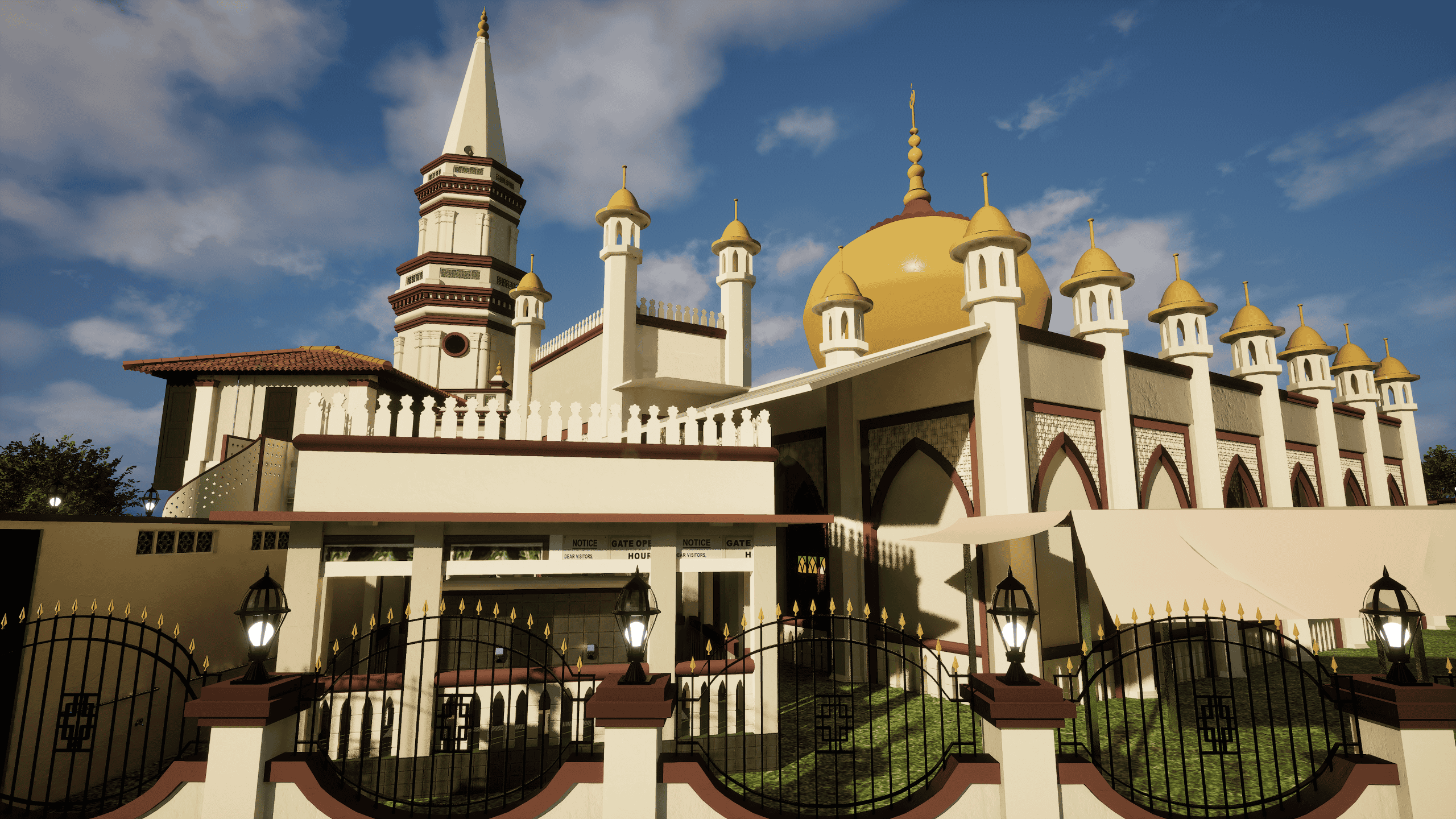
Masjid Hajjah Fatimah is one of Singapore’s oldest and most distinctive mosques, known for its unique blend of Islamic and European architectural influences. Located in Kampong Glam, it stands as a symbol of cultural heritage and historical significance within the Muslim community.

This Digital Twin project recreates the mosque in a detailed virtual environment, allowing users to explore its architecture and appreciate its unique design in an immersive and accessible way.

What We Did

  • 3D Architectural Modeling: Recreated the mosque’s structure with accurate proportions and detailing
  • Material & Texture Development: Developed realistic surfaces to reflect its historical and architectural character
  • Lighting & Environment: Applied natural lighting to enhance depth and highlight key design elements
  • Optimization: Ensured smooth performance for real-time interaction across platforms

Outcome

The Digital Twin of Masjid Hajjah Fatimah transforms a historically significant landmark into an interactive digital experience. It allows users to explore the mosque remotely, improving accessibility while preserving its architectural and cultural identity.

With optimized performance and scalable design, the model can be used for virtual tours, educational purposes, and immersive AR/VR applications. This project demonstrates how heritage spaces can be preserved and experienced through modern digital technology.

burj al arab

burj al arab

Digital Twin

Burj al Arab

Burj Al Arab is one of the most iconic luxury hotels in the world, located in Dubai and renowned for its distinctive sail-shaped architecture. It stands as a symbol of modern engineering, innovation, and architectural excellence.

This Digital Twin project recreates the Burj Al Arab in a detailed virtual environment, allowing users to explore its unique structure and appreciate its design from an immersive digital perspective.

What We Did

  • 3D Architectural Modeling: Recreated the sail-shaped structure with accurate proportions and structural detailing
  • Material & Texture Development: Captured reflective surfaces and exterior materials to match the building’s identity
  • Lighting & Environment: Designed realistic lighting to enhance form, depth, and visual impact
  • Optimization: Ensured smooth real-time performance across platforms

Outcome

The Digital Twin of Burj Al Arab transforms an iconic architectural landmark into an interactive digital experience. Users can explore the structure virtually, gaining a deeper understanding of its design and scale without physical constraints.

With optimized performance and high visual fidelity, the model is suitable for web-based platforms, virtual tours, and immersive AR/VR applications. This project demonstrates how complex architectural designs can be effectively translated into scalable and engaging digital environments.

H Building

H Building

Digital Twin

H building

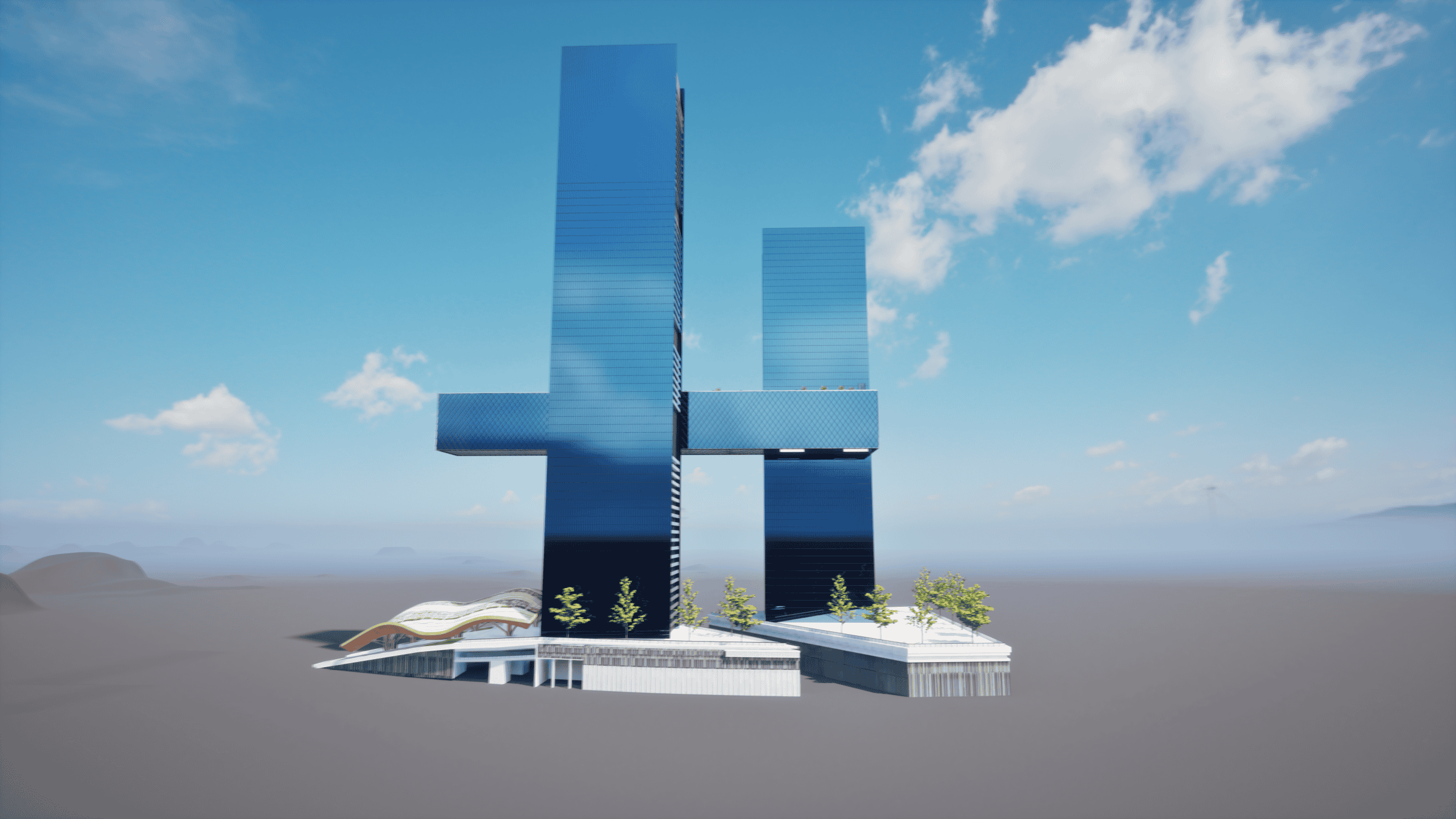
H buildings are a defining part of Singapore’s urban landscape, representing modern public housing and community living. Designed for functionality and efficiency, these residential structures play a key role in shaping everyday life across the city.

This Digital Twin project recreates an HDB building in a detailed virtual environment, allowing users to explore its structure, layout, and architectural features in an interactive and accessible way.

What We Did

  • 3D Architectural Modeling: Recreated the building structure with accurate proportions and layout
  • Material & Texture Development: Developed realistic surfaces to reflect common construction materials
  • Lighting & Environment: Applied natural lighting to simulate real-world conditions and enhance depth
  • Optimization: Ensured smooth performance for real-time interaction across platforms

Outcome

The Digital Twin of the H building provides an immersive and practical representation of residential architecture in Singapore. It allows users to visualize and explore the building remotely, making it useful for education, urban planning, and digital presentations.

With optimized performance and scalable design, the model can be adapted for web-based platforms, virtual tours, and AR/VR applications. This project demonstrates how everyday structures can be transformed into interactive digital experiences that support both communication and innovation.

Museum of future

Museum of future

Digital Twin

Museum of the Future

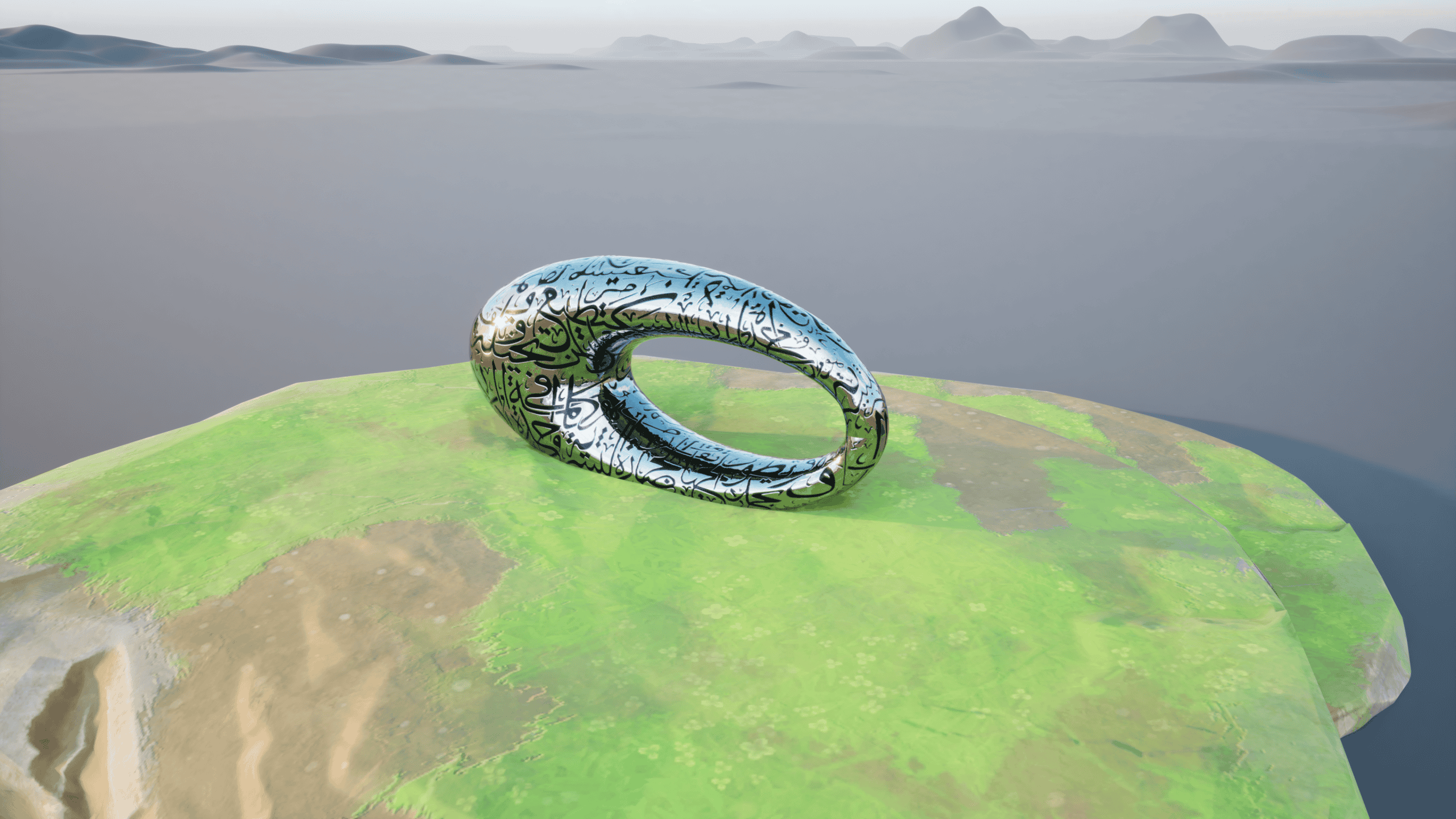
The Museum of the Future in Dubai is a world-renowned architectural landmark that represents innovation, technology, and forward-thinking design. Known for its unique torus-shaped structure and futuristic façade, it stands as a symbol of human imagination and progress.

This Digital Twin project recreates the museum in a detailed virtual environment, allowing users to explore its iconic form and experience its design from an immersive digital perspective.

What We Did

  • 3D Architectural Modeling: Recreated the complex curved structure with accurate proportions and detailing
  • Material & Texture Development: Captured the reflective metallic surface and distinctive façade patterns
  • Lighting & Environment: Applied realistic lighting to enhance depth and highlight architectural features
  • Optimization: Ensured smooth performance for real-time interaction across platforms

Outcome

The Digital Twin of the Museum of the Future transforms a complex architectural masterpiece into an accessible digital experience. Users can explore the structure virtually, gaining a deeper understanding of its design and scale without physical limitations.

The project also serves as a scalable digital asset for virtual tours, presentations, and immersive applications. With optimized performance and high visual fidelity, it is suitable for web-based platforms as well as future AR and VR experiences, extending its reach to a global audience.

Assets Optimization & integration

Assets Optimization & integration

UI/UX

Asset Optimization & Integration

Asset optimization and integration ensure that all game assets perform efficiently within a real-time environment without compromising visual quality. This process focuses on preparing assets for smooth performance while ensuring they work seamlessly within the game engine.

It is a crucial step in bridging creative design and technical implementation, allowing assets to function reliably across different platforms and devices.

What We Did

  • Polygon Optimization: Reduced geometry complexity while maintaining visual fidelity
  • Texture Optimization: Adjusted texture sizes and formats for efficient memory usage
  • LOD Setup (Level of Detail): Created multiple detail levels to improve performance at different distances
  • Engine Integration: Imported and configured assets within Unity or Unreal Engine
  • Material & Lighting Setup: Ensured correct rendering, shading, and consistency within the scene

Outcome

The final assets are optimized for real-time performance, ensuring smooth gameplay and faster load times across platforms. By balancing visual quality with technical efficiency, the assets integrate seamlessly into the game environment without causing performance issues.

This results in a stable, scalable, and production-ready solution that enhances user experience while supporting deployment across mobile, PC, and immersive platforms such as AR and VR.

Material & Texture Development

Material & Texture Development

03_Family Justice Courts

Material & Texture Development

Material and texture development defines the surface quality and visual realism of digital assets. It plays a critical role in how objects interact with light, influencing depth, detail, and overall visual appeal.

This process focuses on creating high-quality materials and textures that align with the project’s art style, whether realistic or stylized, while ensuring consistency across all assets.

What We Did

  • Material Creation: Developed physically accurate or stylized materials to match the project’s visual direction
  • Texture Mapping: Applied detailed textures to enhance surface quality and realism
  • PBR Workflow: Implemented maps such as base color, roughness, normal, and metallic for realistic rendering
  • Surface Detailing: Added wear, imperfections, and fine details to improve authenticity
  • Optimization: Ensured textures are efficient and suitable for real-time performance

Outcome

The final materials and textures significantly enhance the visual quality of assets, making them more realistic and immersive. By accurately responding to lighting and environmental conditions, they contribute to a more believable and engaging experience.

With optimized texture sizes and efficient workflows, the assets maintain high performance while delivering strong visual impact. These materials are scalable and adaptable across different platforms, including games, simulations, and AR/VR applications.

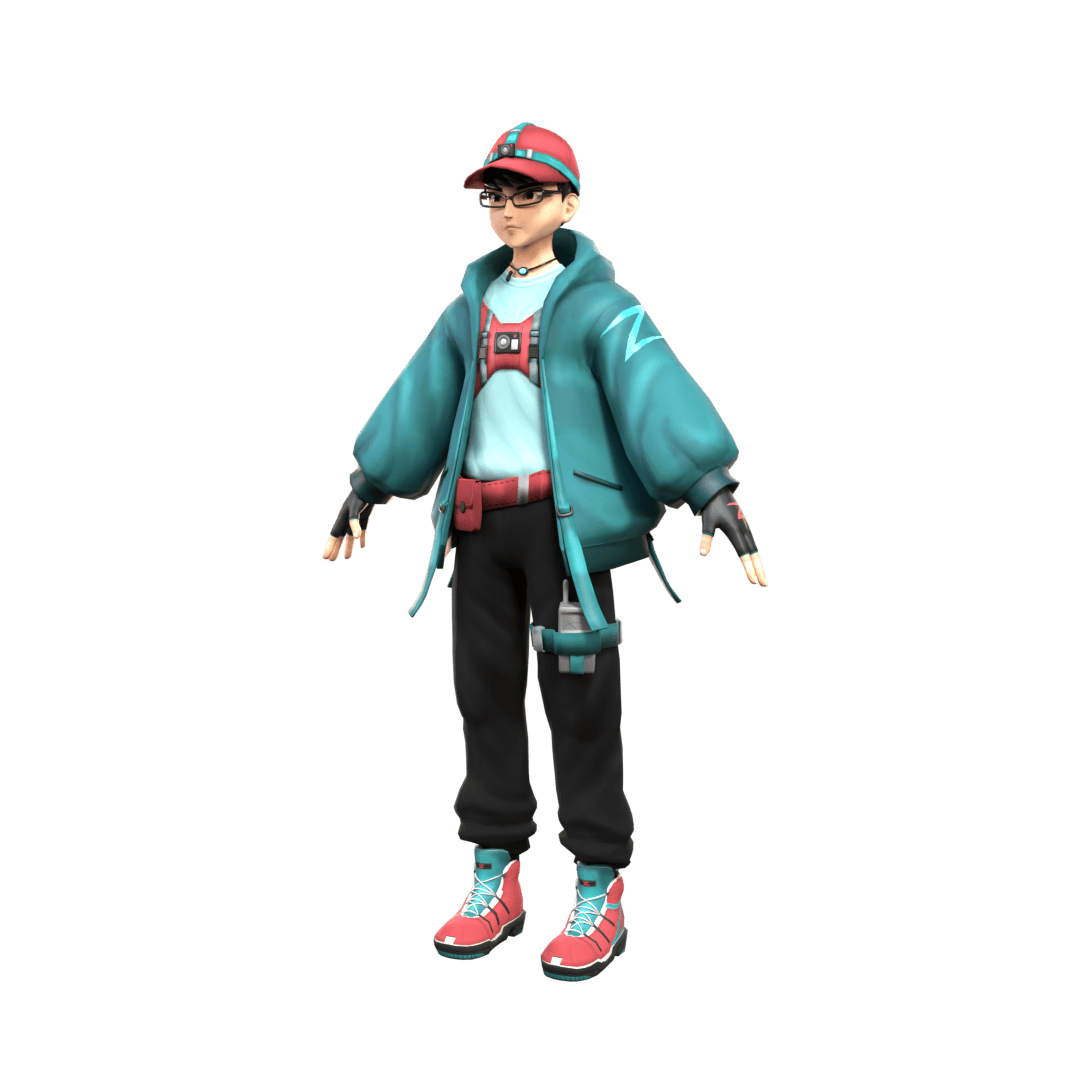
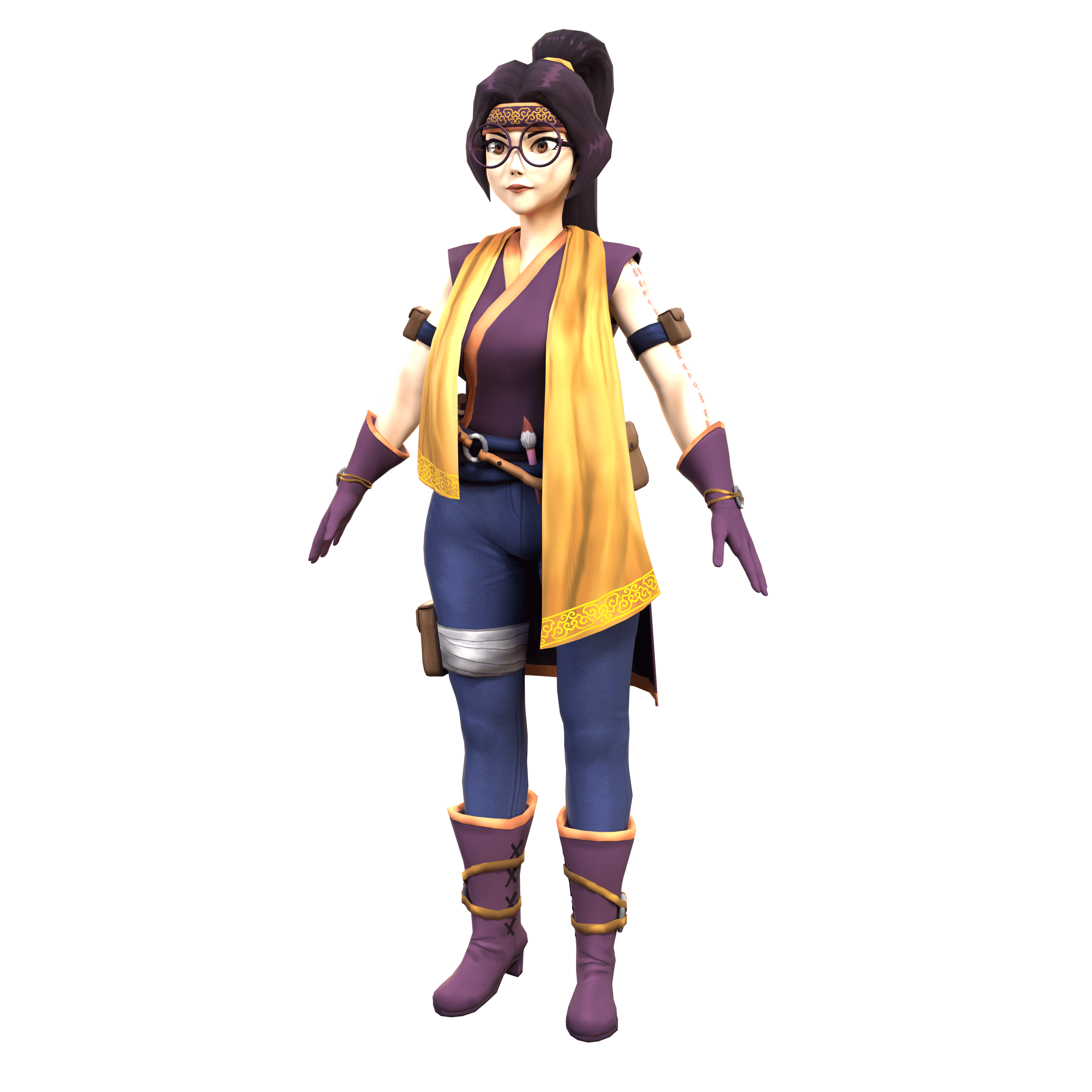
Character & Prop Assets

Character & Prop Assets

Character & Prop Assets

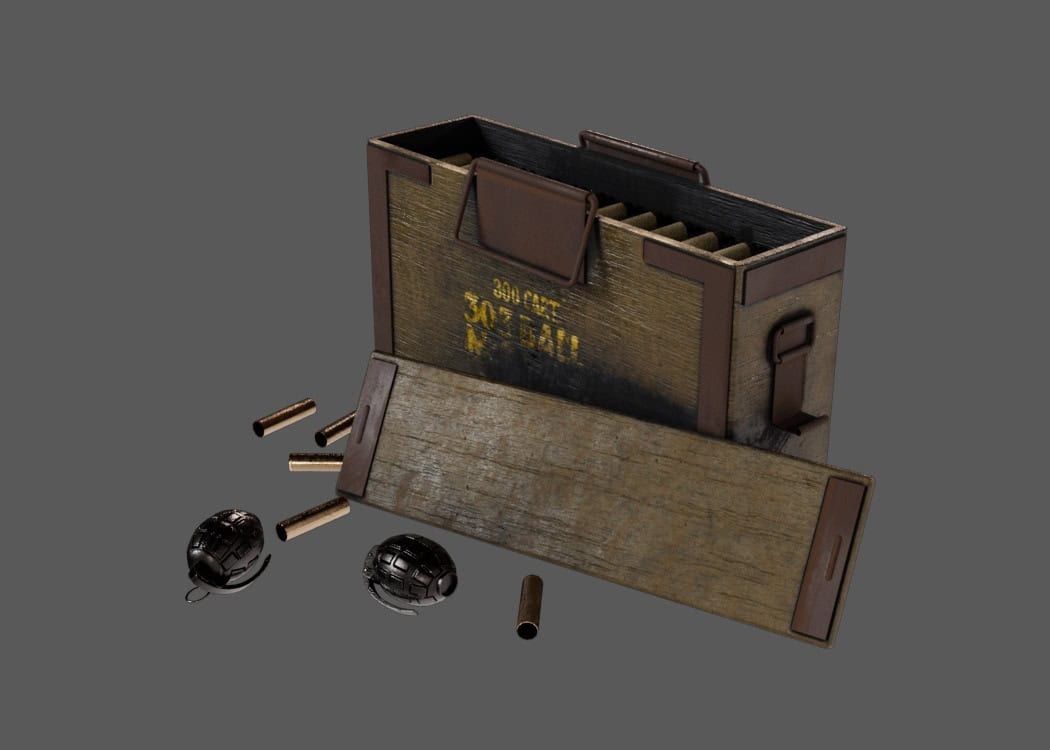
Character and prop assets bring life, interaction, and personality into a digital experience. Characters define identity and storytelling, while props enhance gameplay by adding functional and interactive elements within the environment.

This project focuses on creating detailed and optimized assets that align with the overall art style, ensuring both visual consistency and real-time performance.

What We Did

  • Character Modeling: Designed and built characters with accurate proportions and stylized or realistic detailing
  • Prop Creation: Developed interactive objects such as tools, furniture, and environment elements
  • Material & Texture Development: Applied high-quality textures to enhance visual depth and realism
  • Rigging & Preparation: Prepared assets for animation and in-game interaction where required
  • Optimization: Ensured all assets are lightweight and performance-ready for real-time use

Outcome

The final assets enhance the overall experience by adding depth, interaction, and visual identity to the project. Characters help drive storytelling and engagement, while props support gameplay and environment interaction.

With optimized design and scalable structure, these assets integrate seamlessly into game engines and can be used across multiple platforms, including games, simulations, and AR/VR applications.

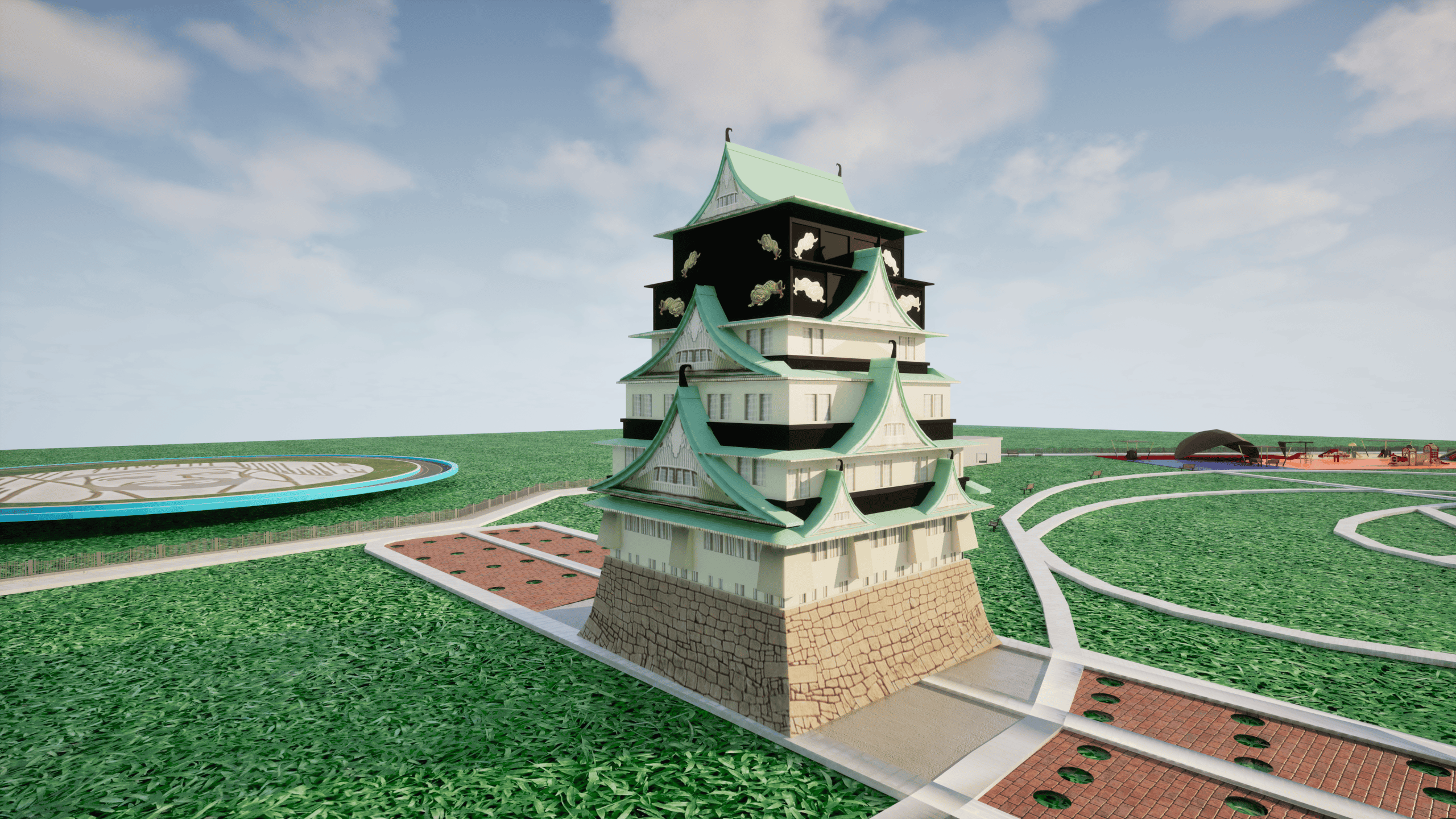
Game Environment

Game Environment

Shot_2

Game Environment

Game environments form the foundation of immersive digital experiences, shaping how players explore and interact with the game world. From realistic architectural spaces to stylized fantasy landscapes, environments define the atmosphere, mood, and overall visual identity of a project.

This project focuses on creating a detailed and optimized game environment that balances visual quality with real-time performance, ensuring a smooth and engaging user experience.

What We Did

  • 3D Environment Modeling: Designed and built detailed landscapes, structures, and environmental elements
  • Material & Texture Development: Created realistic or stylized surfaces to enhance visual appeal
  • Lighting & Atmosphere: Implemented lighting to establish mood, depth, and environmental storytelling
  • Level Composition: Structured the environment to support navigation and user interaction
  • Optimization: Ensured assets are performance-ready for real-time rendering across platforms

Outcome

The final environment delivers a visually immersive and interactive digital space that enhances user engagement and overall experience. By combining detailed design with optimized performance, the environment runs smoothly across devices while maintaining high visual quality.

It can be used across multiple applications, including games, simulations, and AR/VR experiences, making it a flexible and scalable asset. The result is a well-balanced environment that supports both creative storytelling and technical efficiency.

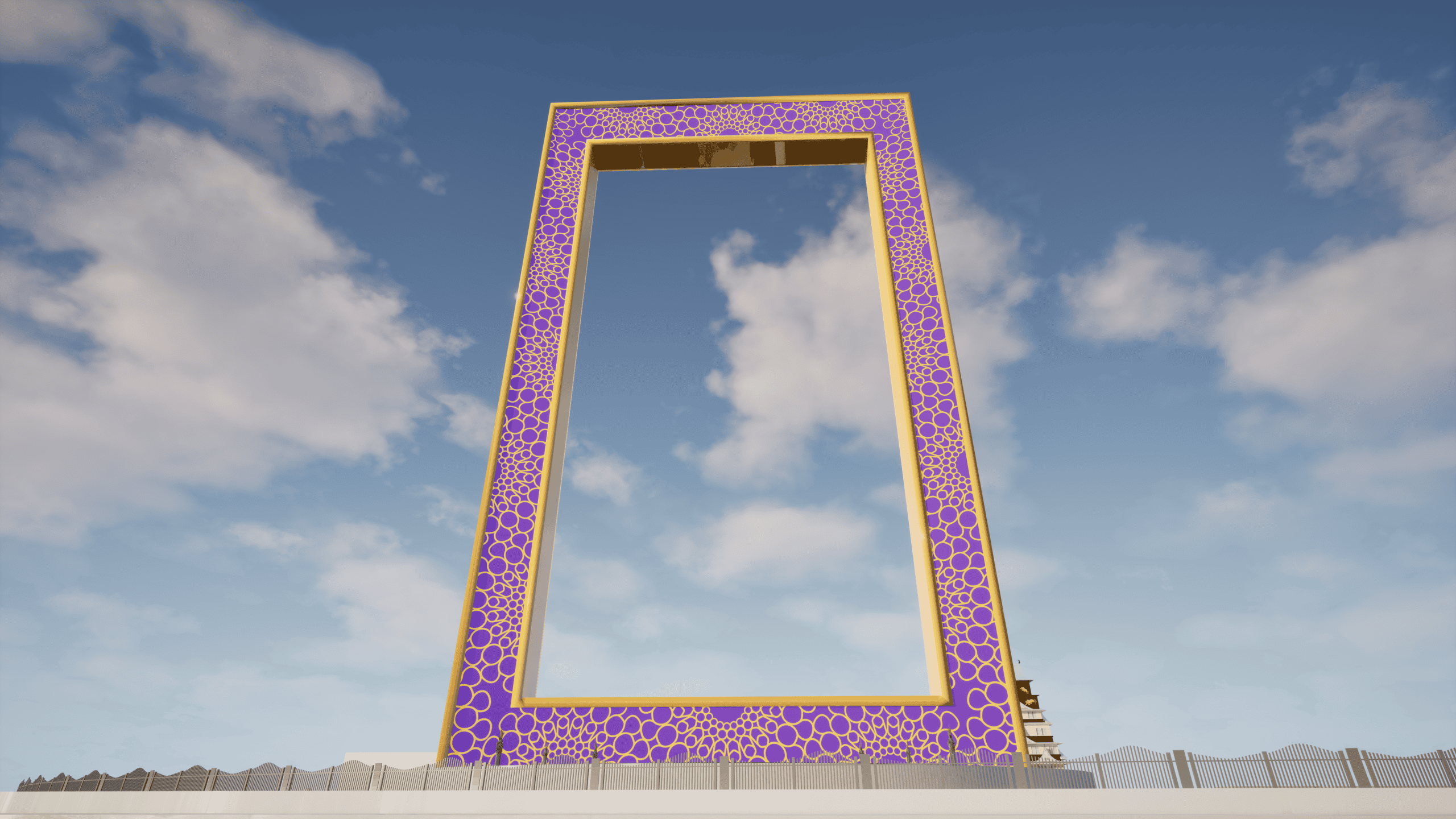
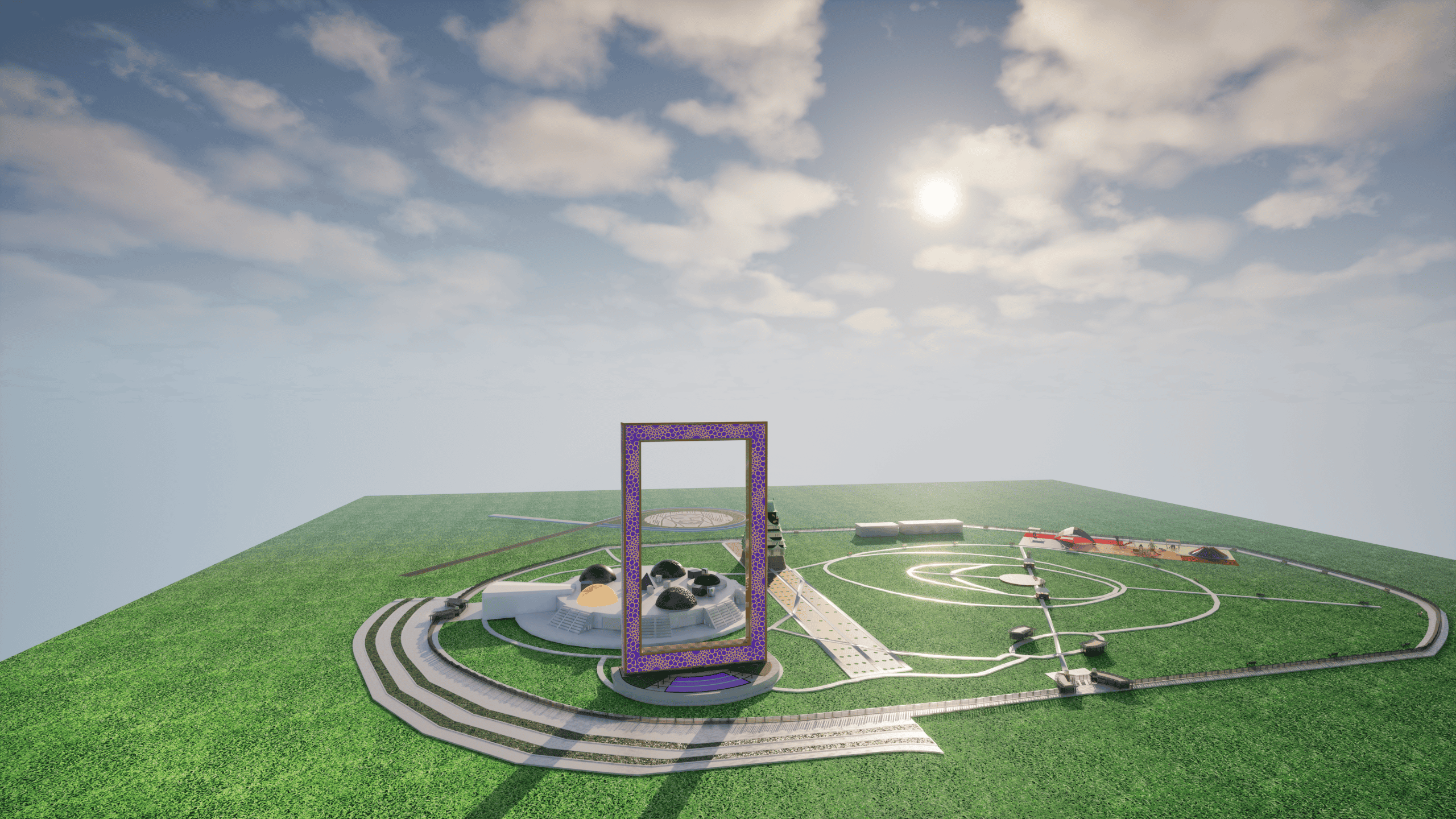
Dubai Frame

Dubai Frame

Digital Twin

Dubai Frame

Dubai Frame is one of the city’s most iconic architectural landmarks, symbolizing the connection between old and new Dubai. Standing as a massive rectangular structure, it frames panoramic views of both the historic districts and the modern skyline, representing the city’s transformation over time.

This Digital Twin project recreates the Dubai Frame in a detailed virtual environment, allowing users to explore its structure and experience its scale and design from a new perspective.

What We Did

  • 3D Architectural Modeling: Recreated the full structure with accurate proportions and structural details
  • Material & Texture Development: Captured the distinctive golden façade and reflective surfaces
  • Lighting & Environment: Designed realistic lighting to enhance depth and highlight the landmark’s form
  • Optimization: Ensured smooth performance for real-time interaction across platforms

Outcome

The Digital Twin of Dubai Frame transforms a modern architectural icon into an immersive digital experience. It allows users to explore the structure virtually, understand its scale, and appreciate its design without being physically present.

The project also serves as a scalable digital asset for virtual tours, presentations, and interactive applications. With optimized performance and high visual accuracy, it is suitable for web-based experiences as well as future AR and VR integrations, extending accessibility to a global audience.

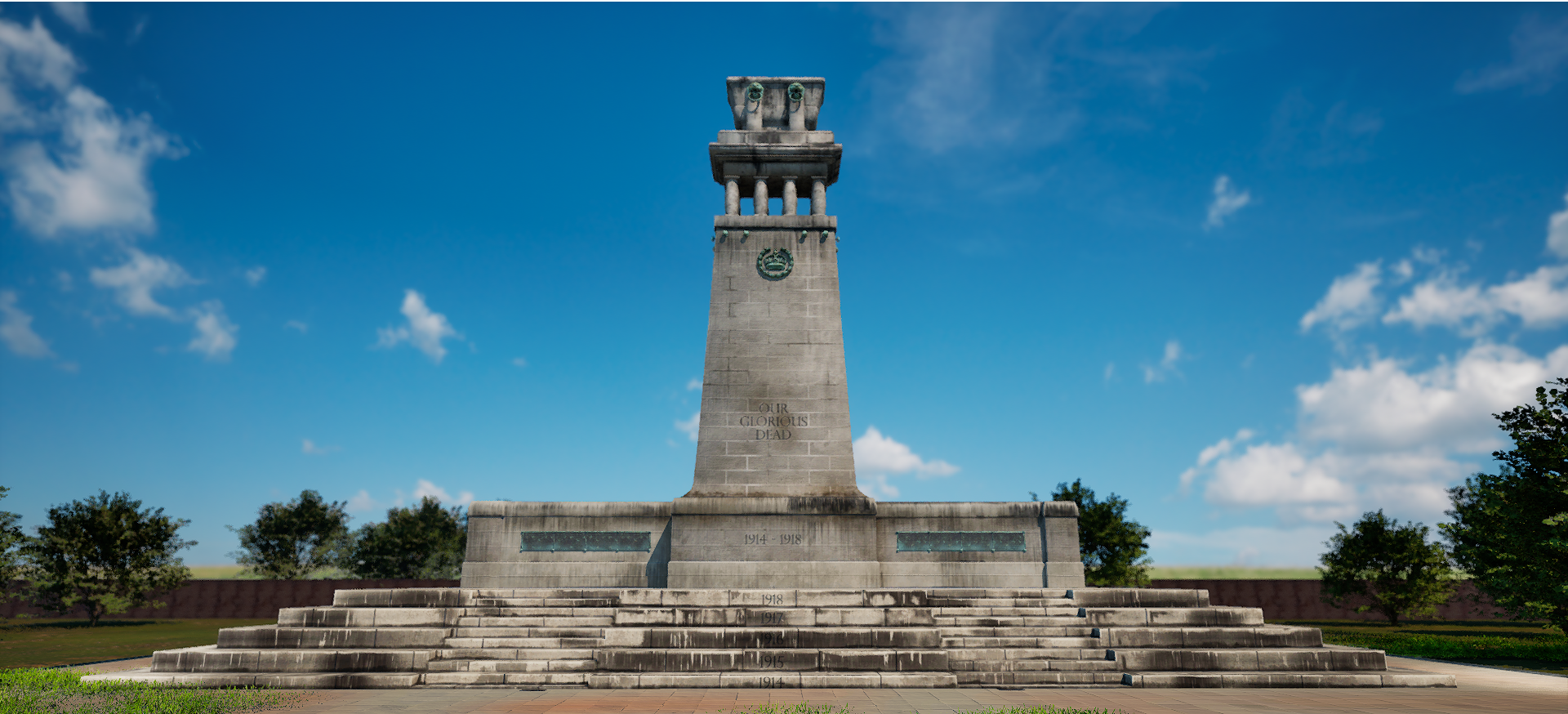
The Cenotaph

The Cenotaph

5

The Cenotaph

The Cenotaph is a historic war memorial located in Singapore, dedicated to honoring the sacrifices of soldiers who lost their lives during World War I and World War II. As a symbol of remembrance and respect, it holds deep historical and cultural significance within the nation.

This Digital Twin project recreates the monument in a detailed virtual environment, allowing users to experience and explore its structure in an immersive and accessible way.

What We Did

  • 3D Modeling: Accurately recreated the monument’s structure with precise proportions and detailing
  • Material & Texture Work: Developed realistic stone textures to reflect the original surface and aging
  • Lighting & Environment: Designed natural lighting to enhance depth and highlight the monument’s form
  • Optimization: Ensured smooth performance for real-time viewing across platforms

Outcome

The Digital Twin of The Cenotaph transforms a significant historical monument into an interactive digital experience. It enables users to explore and appreciate the memorial remotely, making it more accessible for education, virtual tours, and cultural awareness.

Beyond visualization, the project serves as a digital archive, preserving the monument’s structure and historical importance for future generations. With optimized performance and scalability, it can be adapted for web, AR, and VR platforms, extending its reach and impact.

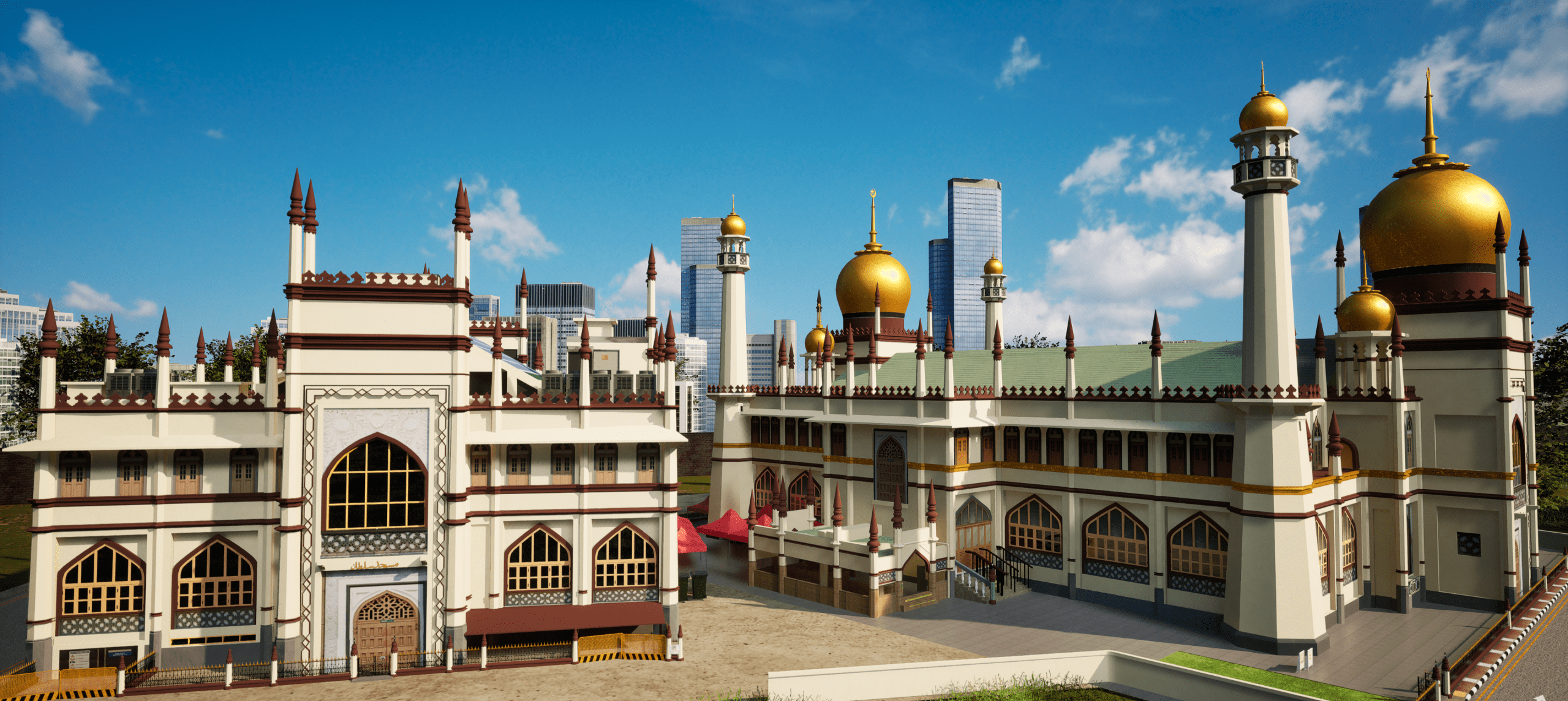
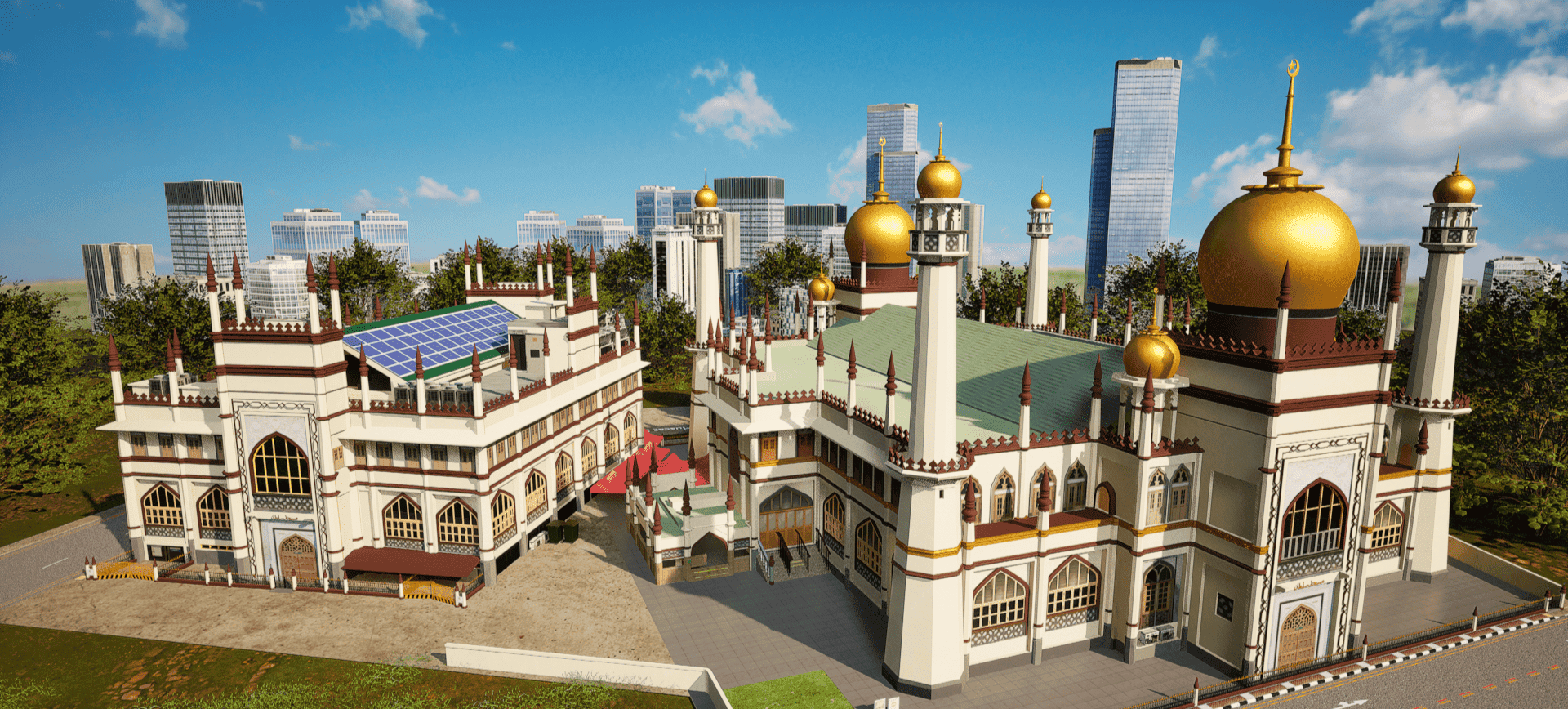
Sultan Mosque

Sultan Mosque

SHOT 5

Sultan Mosque

Sultan Mosque, also known as Masjid Sultan, is one of Singapore’s most iconic religious landmarks located in the historic Kampong Glam district. Renowned for its majestic golden domes and grand architectural design, the mosque stands as a symbol of the Muslim community’s heritage and cultural identity in Singapore.

Through this Digital Twin project, the mosque has been recreated in a detailed virtual environment, allowing users to explore its structure and appreciate its historical significance in an immersive and accessible way.

What We Did

  • Detailed 3D Modeling: Captured domes, minarets, and structural elements with high precision
  • Material & Surface Design: Recreated textures and finishes for realistic visual output
  • Lighting Setup: Simulated natural lighting to highlight architectural features
  • Performance Optimization: Balanced visual quality with smooth real-time performance


Outcome

The Digital Twin of Sultan Mosque delivers an immersive representation of one of Singapore’s most iconic landmarks, enabling users to experience its architectural beauty in a virtual environment. It enhances accessibility by allowing global audiences to explore the space remotely while gaining a deeper appreciation of its cultural and historical significance.

Beyond visualization, the project supports heritage preservation by digitally documenting the mosque’s structure with high accuracy. Its optimized design ensures smooth performance across platforms, making it suitable for web-based experiences, virtual tours, and future AR/VR integrations.

Indian Heritage Centre

Indian Heritage Centre

Indian Heritage Building

Digital Twins are increasingly used to replicate buildings and environments in a virtual space. From heritage sites to modern infrastructure, a digital model allows users to explore, analyze, and manage spaces remotely.

These digital environments can simulate real-world conditions such as lighting, structural performance, and user interaction, providing valuable insights for maintenance, renovation, and planning.

This approach is especially useful for cultural preservation, allowing important landmarks to be documented and experienced digitally while protecting the physical structure.

What We Did

  • 3D Architectural Modeling: Built an accurate representation of the structure with precise proportions and design elements
  • Material & Texture Development: Applied realistic materials to reflect the building’s distinctive façade
  • Lighting & Environment: Designed natural lighting to enhance depth, mood, and realism
  • Optimization: Ensured smooth performance for real-time viewing across platforms

Outcome

This Digital Twin transforms the Indian Heritage Centre into an interactive and accessible digital experience, allowing users to explore the architecture without physical limitations. The project enhances engagement by providing a realistic and immersive representation of the building, making it valuable for education, virtual tours, and cultural storytelling.

It also serves as a long-term digital archive, preserving the structure’s architectural identity and cultural significance. By combining visual accuracy with optimized performance, the solution is scalable across web, AR, and VR platforms, ensuring it remains relevant for future digital applications.