How to Start a Video Production Agency: In-Depth 2025 Guide

Launching a video production agency in 2025 offers significant potential, as demand for high-quality visual content spans industries worldwide. Brands, non-profits, and content creators all seek dynamic video assets to stand out in crowded digital environments. Building a successful agency—whether solo or full-service—means strategically planning every detail, from your niche and equipment to branding, workflows, and long-term growth.

Artzee will help you navigate this exciting venture through this comprehensive guide, providing the tools and insights you need to build a thriving video production agency.

Outline: 

  • Define Your Niche and Services
  • Create a Comprehensive Business Plan
  • Funding and Financial Prep
  • Legally Register and Structure Your Business
  • Gear Up: Equipment and Software
  • Build a Killer Portfolio
  • Strong Branding and Online Presence
  • Marketing and Sales Strategy
  • Operations, Workflow, and Team Building
  • Scaling and Long-Term Growth
  • Common Pitfalls to Avoid
  • SEO Analysis and Success Tips
  • Conclusion

1. Define Your Niche and Services

  • Assess the Market: Analyze commercial, corporate, wedding, event, YouTube, animation, and social media video needs. Identify what’s in demand locally and globally.
  • Specialize for Differentiation: Consider verticals like drones, branded content, product video, live streaming, or explainer animation. Specializing helps with targeted marketing and offers pricing power.
  • Trend Awareness: Interactive video, vertical formats for social media, AI-driven edits, AR/VR projects, and short-form content will continue to trend in 2025.

2. Create a Comprehensive Business Plan

  • Mission Statement: Articulate your purpose and audience.
  • SWOT Analysis: Identify strengths, weaknesses, opportunities, and threats.
  • Market/Competitor Research: List key local and digital competitors, analyze their video styles, prices, and marketing approaches.
  • Services & Packages: Detail offerings (full production, post-production, animation, live events, etc.) and establish competitive pricing models (hourly, per-project, retainer).
  • Budgeting & Forecasts: Estimate startup costs (gear, software, marketing, insurance, permits), project revenue, and break-even point. Include plans for scaling.

3. Funding and Financial Prep

  • Startup Capital Options:
    • Personal investment or savings,
    • Bank or small business loans,
    • Angel investors,
    • Crowdfunding via Kickstarter or Indiegogo.
  • Budget Essentials: Cameras, lenses, lights, audio, computers, editing suites, insurance, initial marketing, website, and legal fees.
  • Investor Pitch: Prepare a concise, visually appealing deck showcasing your unique value, revenue projections, and scalable business model.

4. Legally Register and Structure Your Business

  • Pick a Name: Choose a unique name reflecting your style and check domain/social handle availability.
  • Select Structure: Register as an LLC, sole proprietorship, partnership, or corporation based on liability and tax considerations.
  • Obtain Licenses: Secure a business license, film permits, and appropriate insurance (gear, liability, worker’s comp if hiring).
  • Trademarks & Tax ID: File required paperwork for trademarks and obtain an Employer Identification Number (EIN).

5. Gear Up: Equipment and Software

  • Essential Equipment:
    • Cameras: Mirrorless, DSLR, or cinema cameras (Sony FX, Canon EOS, Blackmagic, etc.)
    • Audio: Shotgun mics, lavaliers, audio recorders
    • Lighting: LED panels, softboxes, reflectors
    • Drones: Consider licensing if aerial footage is a service
    • Accessories: Gimbals, tripods, storage, batteries, memory cards
  • Editing Software: Adobe Premiere Pro, Final Cut Pro, DaVinci Resolve, After Effects, motion graphics tools.
  • Rent vs Buy: Start by renting specialized or costly gear and purchase as recurring needs and capital grow.
  • Insurance: Insure both equipment and productions against accidents or theft.

6. Build a Killer Portfolio

  • Demo Reel: Craft an engaging showcase of your best work (spec projects count if starting from scratch).
  • Case Studies: Document the creative process and results for real or mock clients.
  • Pro-bono & Collaborations: Partner with local businesses, artists, or NGOs for credit and exposure.
  • Client Testimonials: Gather video and written feedback for credibility.

7. Strong Branding and Online Presence

  • Professional Website: Include service details, demo reels, testimonials, pricing, and contact info. Optimize for SEO—targeting geographic (e.g., “video production in Singapore”) and service (e.g., “product video production”) keywords.
  • Social Media: Maintain active profiles on LinkedIn, Instagram, TikTok, and YouTube, posting behind-the-scenes content, finished projects, and educational tips.
  • Google My Business: Set up and verify your listing for local SEO and reviews.
  • Consistent Visual Identity: Develop a recognizable logo, color palette, and tone across all materials.

8. Marketing and Sales Strategy

  • Identify Your Audience: Define client avatars for effective targeting.
  • Inbound Marketing: Content marketing through blogs, videos, and eBooks to showcase expertise.
  • Outbound Marketing: Reach prospects via email campaigns, direct outreach, or B2B platforms.
  • Networking: Attend industry events, trade shows, film festivals, and local business groups.
  • Referral Programs: Implement incentives for happy clients to refer new business.
  • Paid Ads: Use social media and Google Ads to attract leads.

9. Operations, Workflow, and Team Building

  • Production Process: Document pre-production, shoot, post-production, and delivery workflows. Use project management tools (Trello, Asana, Monday.com).
  • Client Onboarding: Develop clear intake forms, contracts, and expectation guides.
  • Hiring: Bring in freelancers or full-time staff for camera, editing, animation, or sound as your workload grows.
  • Legal: Use standardized contracts for scope of work, IP rights, and payment terms.
  • Process Optimization: Regularly review workflows for bottlenecks and opportunities for automation (e.g., scheduling, backup routines, template-based editing).

10. Scaling and Long-Term Growth

  • Diversify Services: Expand into animation, events, interactive content, or other related verticals as demand grows.
  • Strategic Partnerships: Collaborate with agencies, advertisers, or tech companies for broader reach.
  • Continuous Learning: Stay abreast of video and social trends, tech innovations, and client needs through workshops, online courses, and industry publications.
  • Client Retention: Use newsletters, exclusive offers, or loyalty programs to keep clients engaged.
  • Monitor Analytics: Regularly assess website traffic, campaign performance, and client feedback to refine strategies.

11. Common Pitfalls to Avoid

PitfallHow to Avoid
UnderpricingResearch market rates, price for profit and sustainability
Lack of SpecializationCarve out a niche to differentiate in a crowded space
Inconsistent BrandingBuild a visually and tonally coherent brand experience
Relying on One Revenue StreamDiversify projects and service offerings
Skipping ContractsAlways use written agreements with clients and partners

12. SEO Analysis and Success Tips

  • Keyword Optimization: Use targeted, high-volume keywords (“video production agency [city]”), long-tail queries, and service-specific terms.
  • Content Depth: Publish long-form guides, FAQs, and how-to videos that answer common client questions.
  • Backlinks: Build partnerships for guest posts, participate in niche directories, and collaborate with influencers for authoritative backlinks.
  • Page Speed & UX: Optimize your website for fast loading, clear navigation, and mobile friendliness.
  • Local SEO: Claim online business listings, cultivate client reviews, and regularly update Google My Business.
  • Regular Updates: Refresh content periodically to keep up with trends and maintain search rankings.

Conclusion

Starting a video production agency in 2025 is a multifaceted journey requiring careful planning, creativity, and business discipline. By focusing on market niche, robust planning, gear and talent acquisition, strong branding, smart marketing, and continuous learning, your agency can capture opportunities in the thriving digital video landscape.

Whether you build a boutique consultancy or a full-scale production house, step confidently—backed by research, industry best practices, and a commitment to outstanding visual storytelling.

Ready to turn your ambitious vision into a reality? Contact Artzee for any collaboration and potential works.

References

  1. Indeed.com – “How To Start a Video Production Company: 10 Steps”
  2. StudioBinder – “How to Start a Production Company: The Ultimate Guide”
  3. Venture Videos – “Your Guide to Launching a Video Production Company”
  4. BusinessPlanTemplate.com – “Video Production Business Plan Template”
  5. 1st Formations – “How to Set Up a Video Production Company”

Some More Cool Projects

Masjid Hajjah Fatimah

Masjid Hajjah Fatimah

Game assets

Masjid Hajjah Fatimah

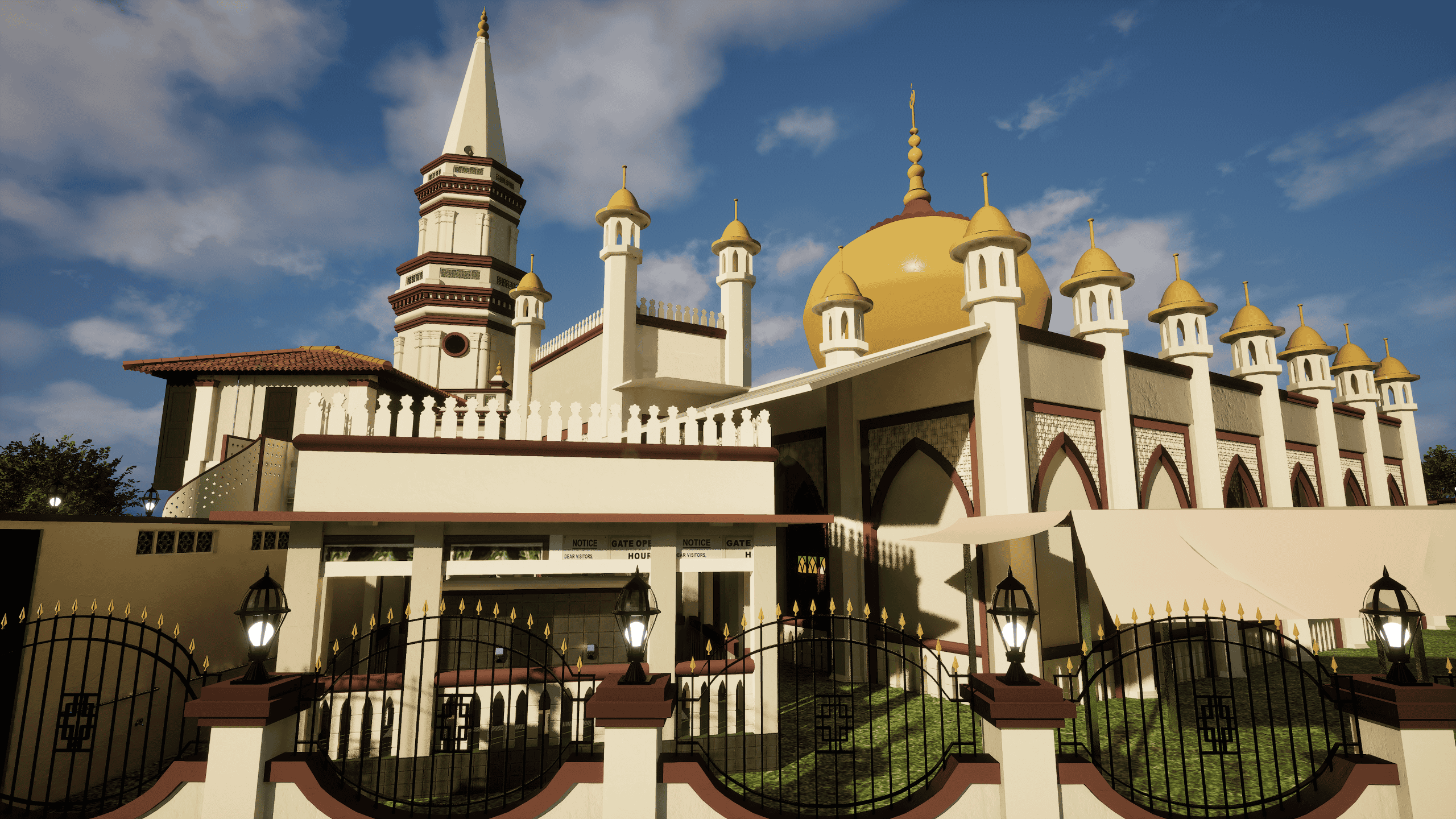
Masjid Hajjah Fatimah is one of Singapore’s oldest and most distinctive mosques, known for its unique blend of Islamic and European architectural influences. Located in Kampong Glam, it stands as a symbol of cultural heritage and historical significance within the Muslim community.

This Digital Twin project recreates the mosque in a detailed virtual environment, allowing users to explore its architecture and appreciate its unique design in an immersive and accessible way.

What We Did

  • 3D Architectural Modeling: Recreated the mosque’s structure with accurate proportions and detailing
  • Material & Texture Development: Developed realistic surfaces to reflect its historical and architectural character
  • Lighting & Environment: Applied natural lighting to enhance depth and highlight key design elements
  • Optimization: Ensured smooth performance for real-time interaction across platforms

Outcome

The Digital Twin of Masjid Hajjah Fatimah transforms a historically significant landmark into an interactive digital experience. It allows users to explore the mosque remotely, improving accessibility while preserving its architectural and cultural identity.

With optimized performance and scalable design, the model can be used for virtual tours, educational purposes, and immersive AR/VR applications. This project demonstrates how heritage spaces can be preserved and experienced through modern digital technology.

burj al arab

burj al arab

Digital Twin

Burj al Arab

Burj Al Arab is one of the most iconic luxury hotels in the world, located in Dubai and renowned for its distinctive sail-shaped architecture. It stands as a symbol of modern engineering, innovation, and architectural excellence.

This Digital Twin project recreates the Burj Al Arab in a detailed virtual environment, allowing users to explore its unique structure and appreciate its design from an immersive digital perspective.

What We Did

  • 3D Architectural Modeling: Recreated the sail-shaped structure with accurate proportions and structural detailing
  • Material & Texture Development: Captured reflective surfaces and exterior materials to match the building’s identity
  • Lighting & Environment: Designed realistic lighting to enhance form, depth, and visual impact
  • Optimization: Ensured smooth real-time performance across platforms

Outcome

The Digital Twin of Burj Al Arab transforms an iconic architectural landmark into an interactive digital experience. Users can explore the structure virtually, gaining a deeper understanding of its design and scale without physical constraints.

With optimized performance and high visual fidelity, the model is suitable for web-based platforms, virtual tours, and immersive AR/VR applications. This project demonstrates how complex architectural designs can be effectively translated into scalable and engaging digital environments.

H Building

H Building

Digital Twin

H building

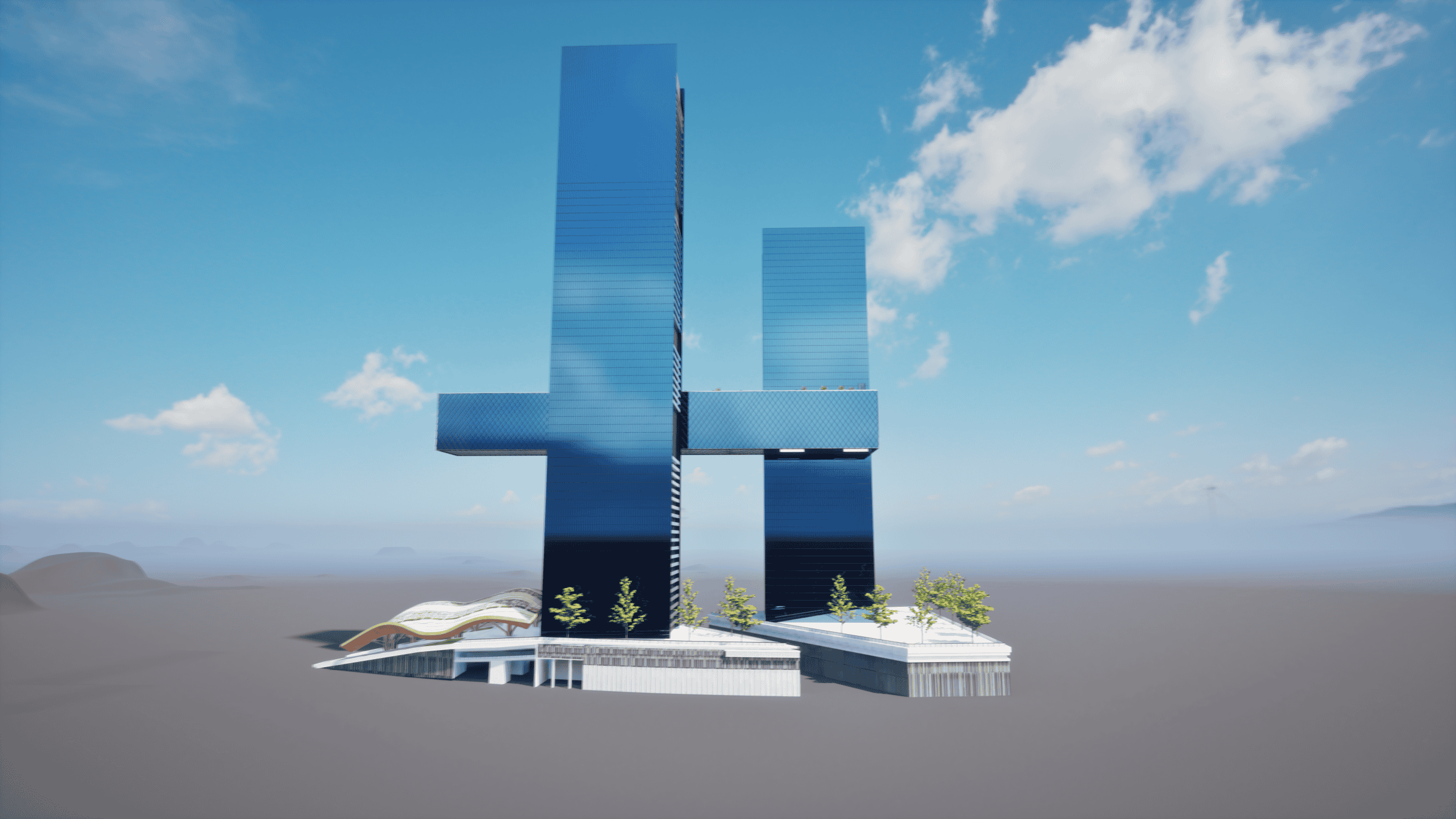
H buildings are a defining part of Singapore’s urban landscape, representing modern public housing and community living. Designed for functionality and efficiency, these residential structures play a key role in shaping everyday life across the city.

This Digital Twin project recreates an HDB building in a detailed virtual environment, allowing users to explore its structure, layout, and architectural features in an interactive and accessible way.

What We Did

  • 3D Architectural Modeling: Recreated the building structure with accurate proportions and layout
  • Material & Texture Development: Developed realistic surfaces to reflect common construction materials
  • Lighting & Environment: Applied natural lighting to simulate real-world conditions and enhance depth
  • Optimization: Ensured smooth performance for real-time interaction across platforms

Outcome

The Digital Twin of the H building provides an immersive and practical representation of residential architecture in Singapore. It allows users to visualize and explore the building remotely, making it useful for education, urban planning, and digital presentations.

With optimized performance and scalable design, the model can be adapted for web-based platforms, virtual tours, and AR/VR applications. This project demonstrates how everyday structures can be transformed into interactive digital experiences that support both communication and innovation.

Museum of future

Museum of future

Digital Twin

Museum of the Future

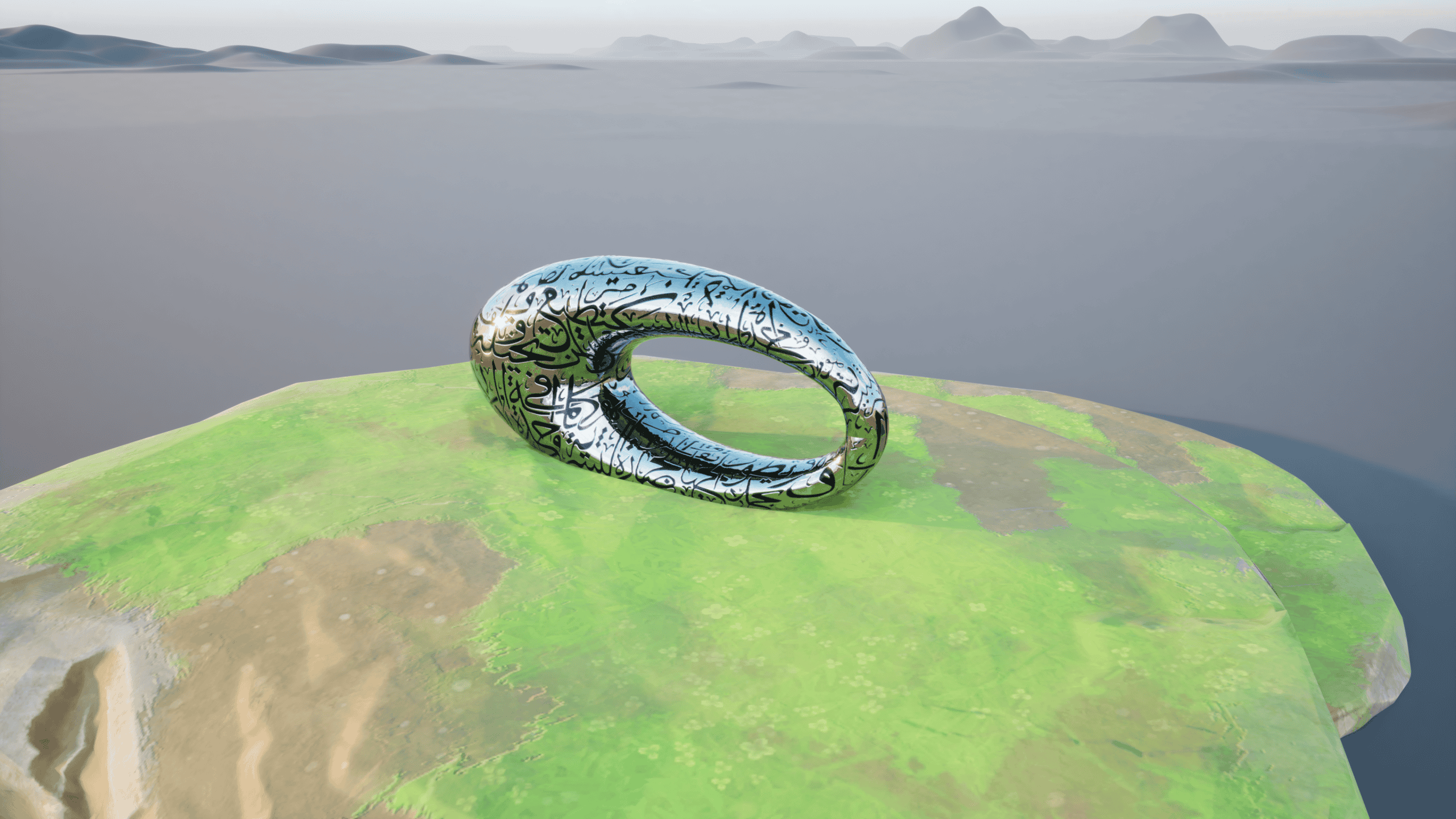
The Museum of the Future in Dubai is a world-renowned architectural landmark that represents innovation, technology, and forward-thinking design. Known for its unique torus-shaped structure and futuristic façade, it stands as a symbol of human imagination and progress.

This Digital Twin project recreates the museum in a detailed virtual environment, allowing users to explore its iconic form and experience its design from an immersive digital perspective.

What We Did

  • 3D Architectural Modeling: Recreated the complex curved structure with accurate proportions and detailing
  • Material & Texture Development: Captured the reflective metallic surface and distinctive façade patterns
  • Lighting & Environment: Applied realistic lighting to enhance depth and highlight architectural features
  • Optimization: Ensured smooth performance for real-time interaction across platforms

Outcome

The Digital Twin of the Museum of the Future transforms a complex architectural masterpiece into an accessible digital experience. Users can explore the structure virtually, gaining a deeper understanding of its design and scale without physical limitations.

The project also serves as a scalable digital asset for virtual tours, presentations, and immersive applications. With optimized performance and high visual fidelity, it is suitable for web-based platforms as well as future AR and VR experiences, extending its reach to a global audience.

Assets Optimization & integration

Assets Optimization & integration

UI/UX

Asset Optimization & Integration

Asset optimization and integration ensure that all game assets perform efficiently within a real-time environment without compromising visual quality. This process focuses on preparing assets for smooth performance while ensuring they work seamlessly within the game engine.

It is a crucial step in bridging creative design and technical implementation, allowing assets to function reliably across different platforms and devices.

What We Did

  • Polygon Optimization: Reduced geometry complexity while maintaining visual fidelity
  • Texture Optimization: Adjusted texture sizes and formats for efficient memory usage
  • LOD Setup (Level of Detail): Created multiple detail levels to improve performance at different distances
  • Engine Integration: Imported and configured assets within Unity or Unreal Engine
  • Material & Lighting Setup: Ensured correct rendering, shading, and consistency within the scene

Outcome

The final assets are optimized for real-time performance, ensuring smooth gameplay and faster load times across platforms. By balancing visual quality with technical efficiency, the assets integrate seamlessly into the game environment without causing performance issues.

This results in a stable, scalable, and production-ready solution that enhances user experience while supporting deployment across mobile, PC, and immersive platforms such as AR and VR.

Material & Texture Development

Material & Texture Development

03_Family Justice Courts

Material & Texture Development

Material and texture development defines the surface quality and visual realism of digital assets. It plays a critical role in how objects interact with light, influencing depth, detail, and overall visual appeal.

This process focuses on creating high-quality materials and textures that align with the project’s art style, whether realistic or stylized, while ensuring consistency across all assets.

What We Did

  • Material Creation: Developed physically accurate or stylized materials to match the project’s visual direction
  • Texture Mapping: Applied detailed textures to enhance surface quality and realism
  • PBR Workflow: Implemented maps such as base color, roughness, normal, and metallic for realistic rendering
  • Surface Detailing: Added wear, imperfections, and fine details to improve authenticity
  • Optimization: Ensured textures are efficient and suitable for real-time performance

Outcome

The final materials and textures significantly enhance the visual quality of assets, making them more realistic and immersive. By accurately responding to lighting and environmental conditions, they contribute to a more believable and engaging experience.

With optimized texture sizes and efficient workflows, the assets maintain high performance while delivering strong visual impact. These materials are scalable and adaptable across different platforms, including games, simulations, and AR/VR applications.

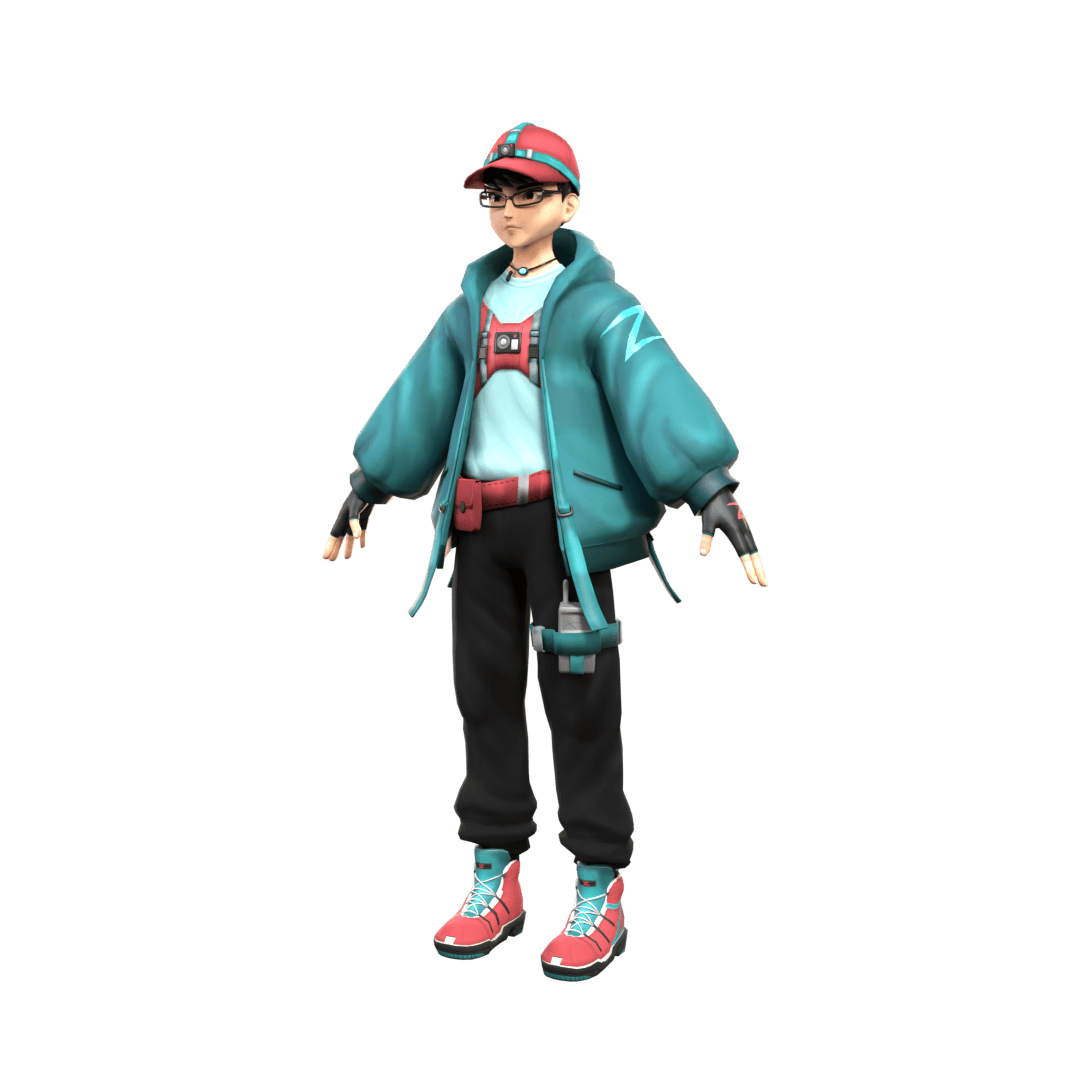
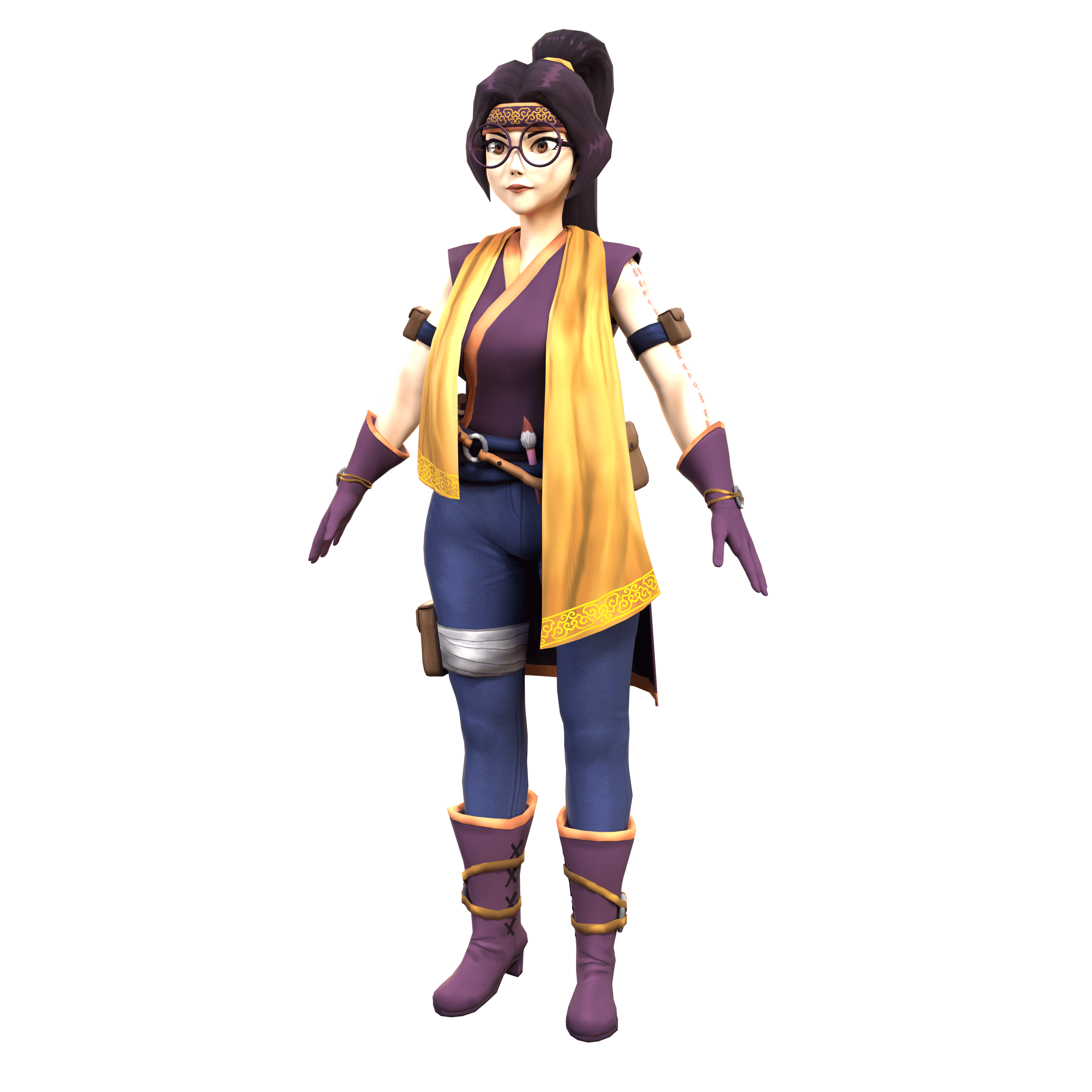
Character & Prop Assets

Character & Prop Assets

Character & Prop Assets

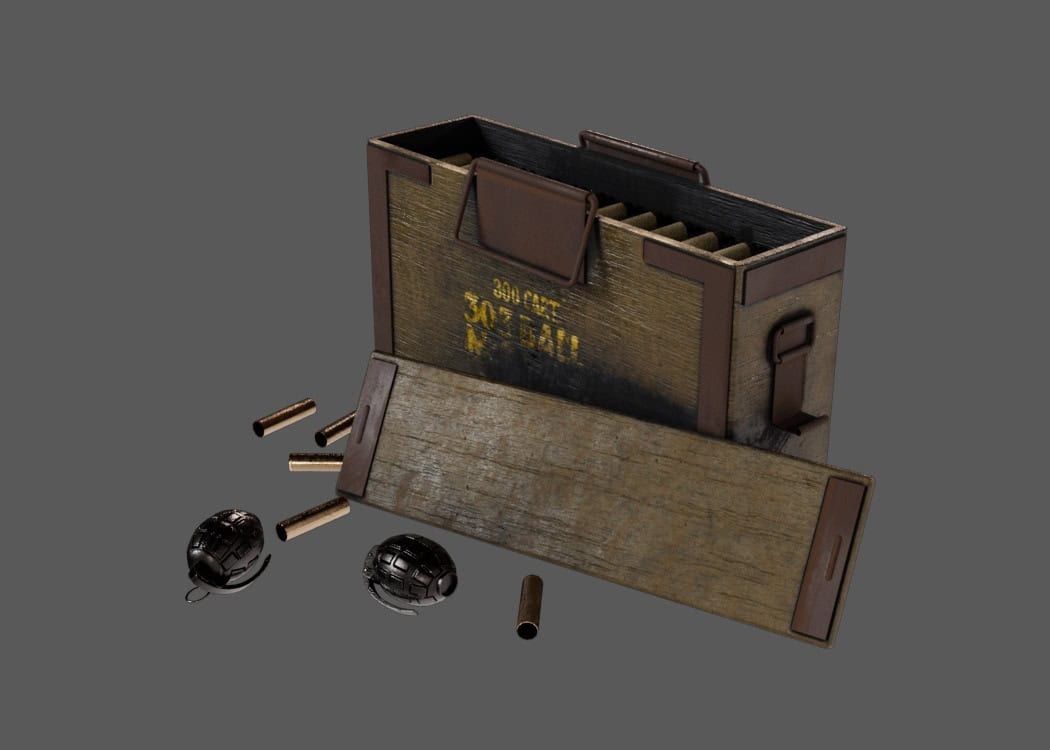
Character and prop assets bring life, interaction, and personality into a digital experience. Characters define identity and storytelling, while props enhance gameplay by adding functional and interactive elements within the environment.

This project focuses on creating detailed and optimized assets that align with the overall art style, ensuring both visual consistency and real-time performance.

What We Did

  • Character Modeling: Designed and built characters with accurate proportions and stylized or realistic detailing
  • Prop Creation: Developed interactive objects such as tools, furniture, and environment elements
  • Material & Texture Development: Applied high-quality textures to enhance visual depth and realism
  • Rigging & Preparation: Prepared assets for animation and in-game interaction where required
  • Optimization: Ensured all assets are lightweight and performance-ready for real-time use

Outcome

The final assets enhance the overall experience by adding depth, interaction, and visual identity to the project. Characters help drive storytelling and engagement, while props support gameplay and environment interaction.

With optimized design and scalable structure, these assets integrate seamlessly into game engines and can be used across multiple platforms, including games, simulations, and AR/VR applications.

Game Environment

Game Environment

Shot_2

Game Environment

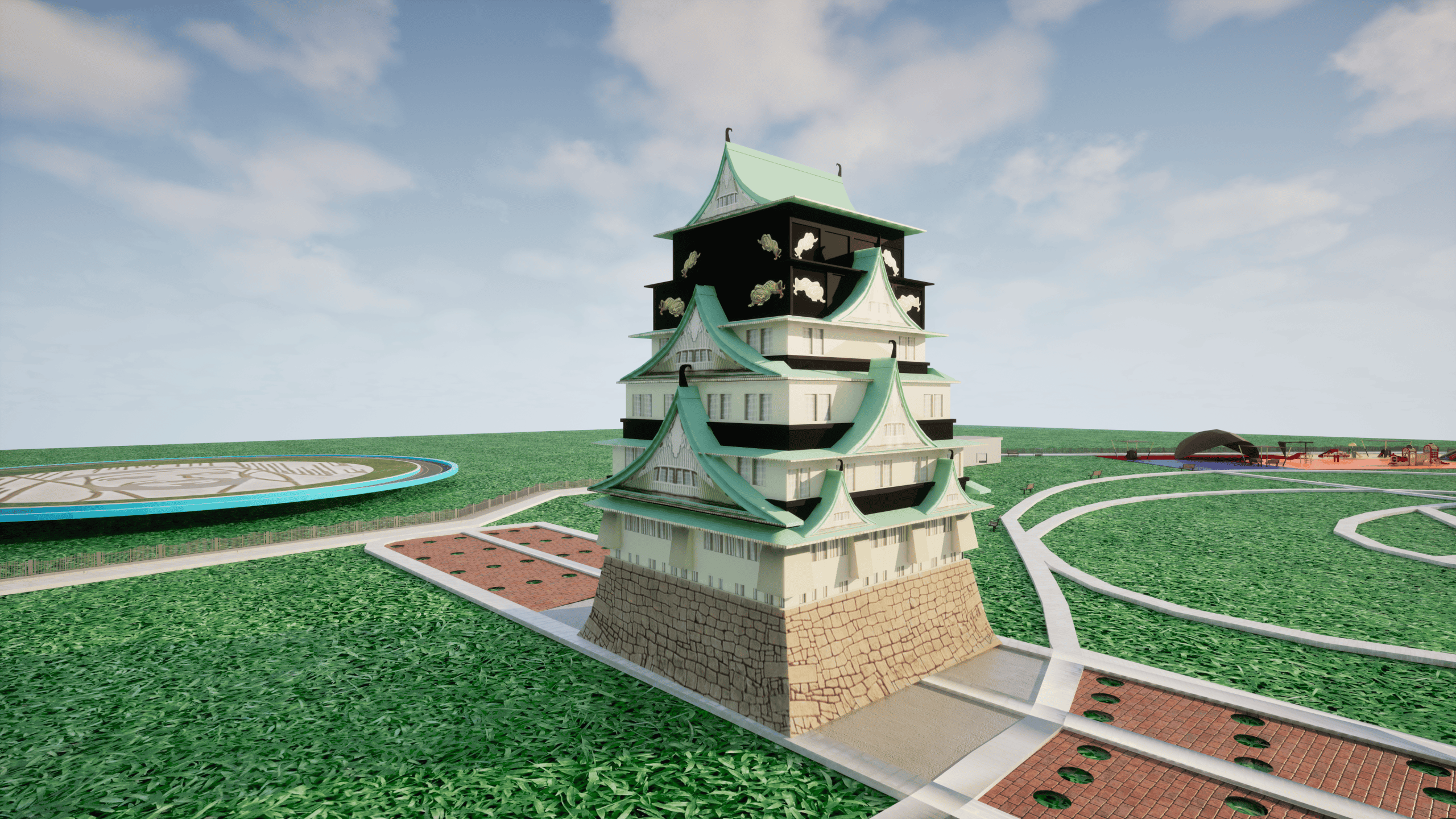
Game environments form the foundation of immersive digital experiences, shaping how players explore and interact with the game world. From realistic architectural spaces to stylized fantasy landscapes, environments define the atmosphere, mood, and overall visual identity of a project.

This project focuses on creating a detailed and optimized game environment that balances visual quality with real-time performance, ensuring a smooth and engaging user experience.

What We Did

  • 3D Environment Modeling: Designed and built detailed landscapes, structures, and environmental elements
  • Material & Texture Development: Created realistic or stylized surfaces to enhance visual appeal
  • Lighting & Atmosphere: Implemented lighting to establish mood, depth, and environmental storytelling
  • Level Composition: Structured the environment to support navigation and user interaction
  • Optimization: Ensured assets are performance-ready for real-time rendering across platforms

Outcome

The final environment delivers a visually immersive and interactive digital space that enhances user engagement and overall experience. By combining detailed design with optimized performance, the environment runs smoothly across devices while maintaining high visual quality.

It can be used across multiple applications, including games, simulations, and AR/VR experiences, making it a flexible and scalable asset. The result is a well-balanced environment that supports both creative storytelling and technical efficiency.

Dubai Frame

Dubai Frame

Digital Twin

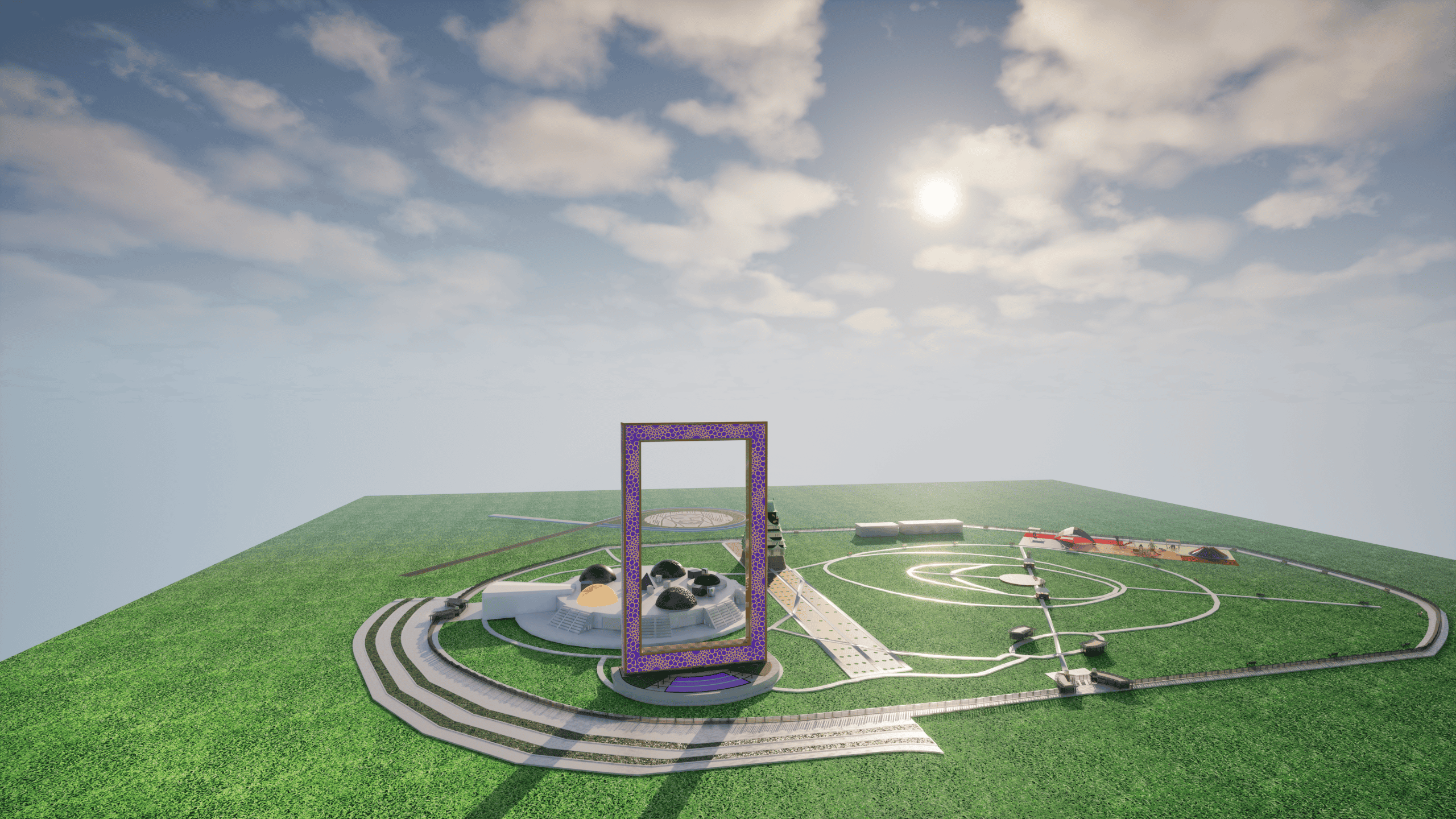
Dubai Frame

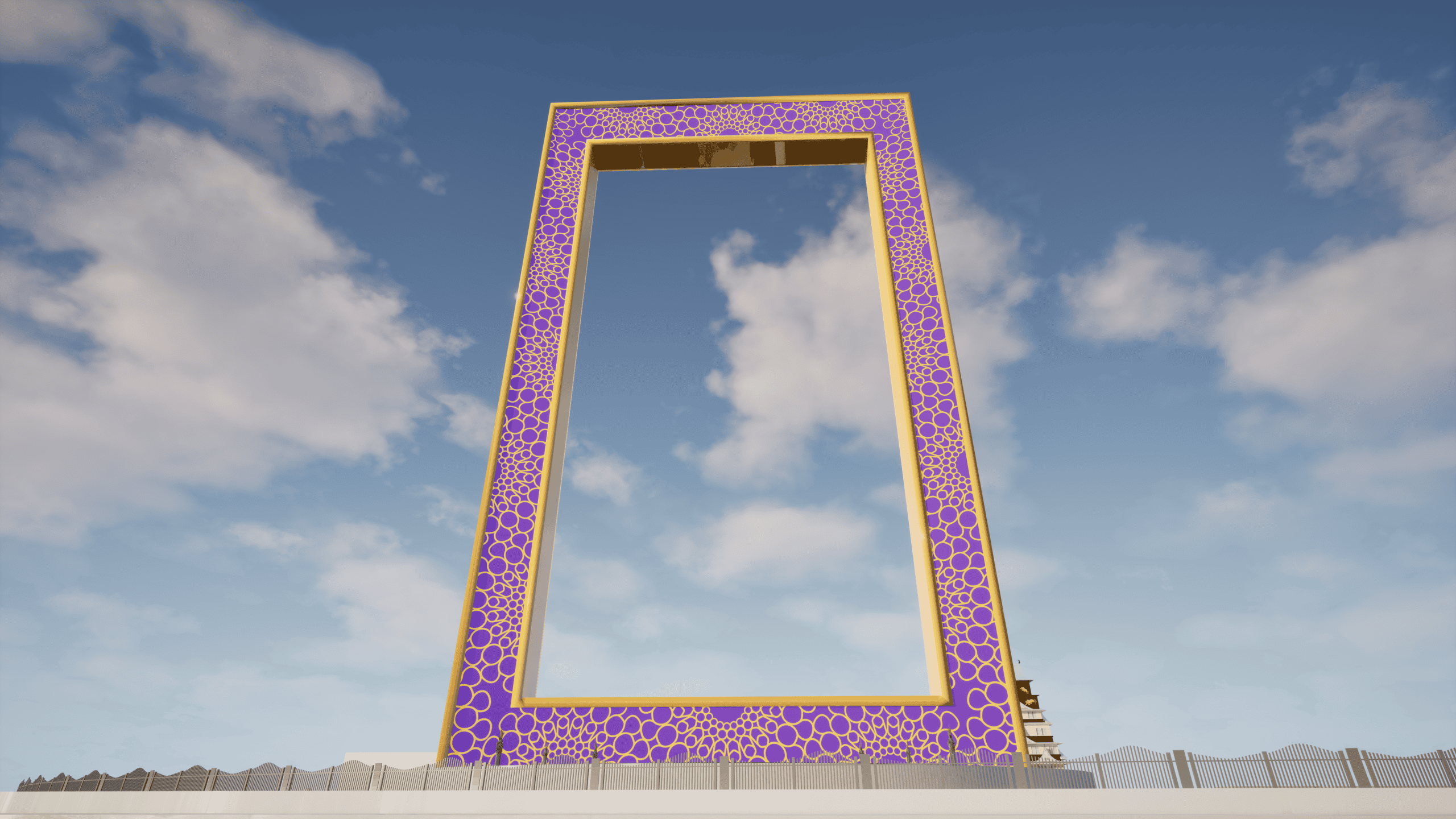
Dubai Frame is one of the city’s most iconic architectural landmarks, symbolizing the connection between old and new Dubai. Standing as a massive rectangular structure, it frames panoramic views of both the historic districts and the modern skyline, representing the city’s transformation over time.

This Digital Twin project recreates the Dubai Frame in a detailed virtual environment, allowing users to explore its structure and experience its scale and design from a new perspective.

What We Did

  • 3D Architectural Modeling: Recreated the full structure with accurate proportions and structural details
  • Material & Texture Development: Captured the distinctive golden façade and reflective surfaces
  • Lighting & Environment: Designed realistic lighting to enhance depth and highlight the landmark’s form
  • Optimization: Ensured smooth performance for real-time interaction across platforms

Outcome

The Digital Twin of Dubai Frame transforms a modern architectural icon into an immersive digital experience. It allows users to explore the structure virtually, understand its scale, and appreciate its design without being physically present.

The project also serves as a scalable digital asset for virtual tours, presentations, and interactive applications. With optimized performance and high visual accuracy, it is suitable for web-based experiences as well as future AR and VR integrations, extending accessibility to a global audience.

The Cenotaph

The Cenotaph

5

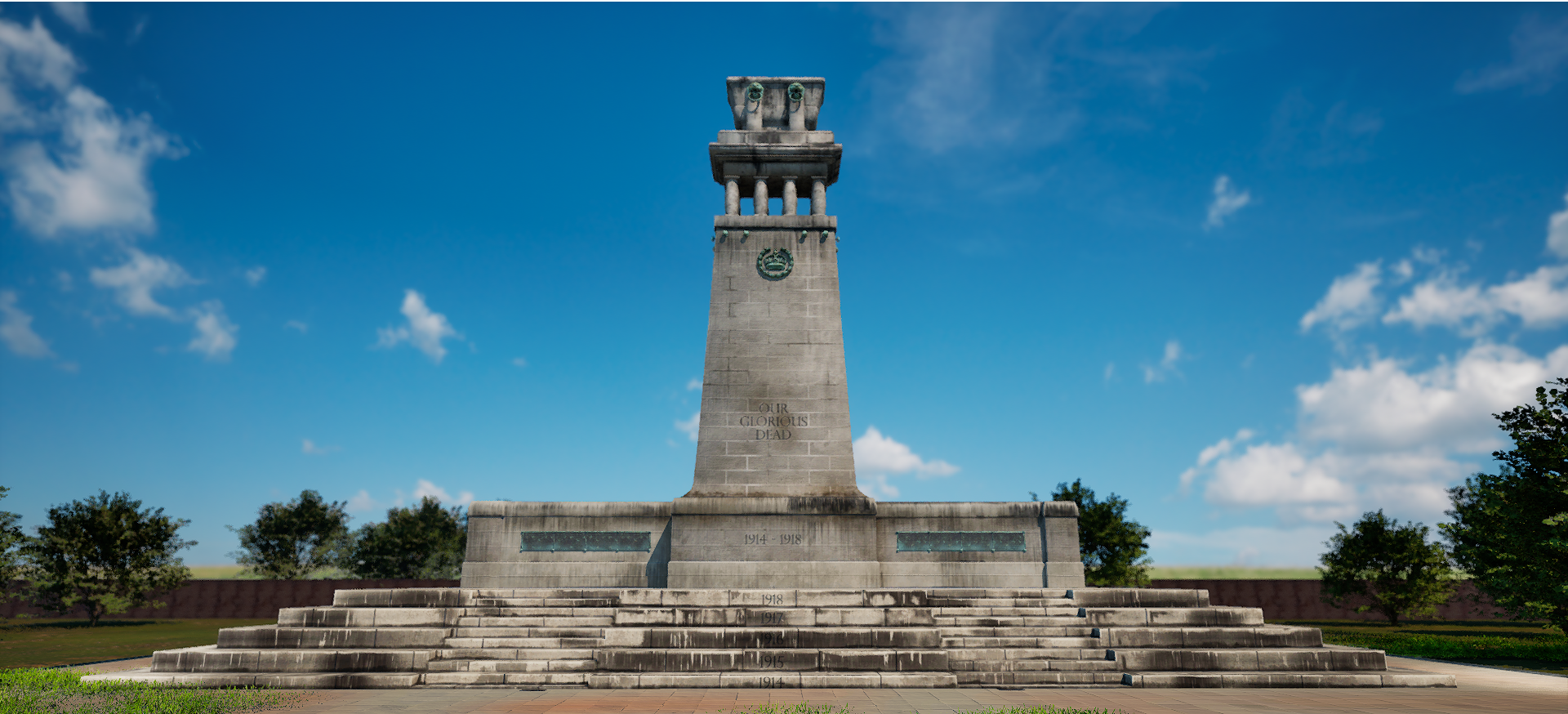
The Cenotaph

The Cenotaph is a historic war memorial located in Singapore, dedicated to honoring the sacrifices of soldiers who lost their lives during World War I and World War II. As a symbol of remembrance and respect, it holds deep historical and cultural significance within the nation.

This Digital Twin project recreates the monument in a detailed virtual environment, allowing users to experience and explore its structure in an immersive and accessible way.

What We Did

  • 3D Modeling: Accurately recreated the monument’s structure with precise proportions and detailing
  • Material & Texture Work: Developed realistic stone textures to reflect the original surface and aging
  • Lighting & Environment: Designed natural lighting to enhance depth and highlight the monument’s form
  • Optimization: Ensured smooth performance for real-time viewing across platforms

Outcome

The Digital Twin of The Cenotaph transforms a significant historical monument into an interactive digital experience. It enables users to explore and appreciate the memorial remotely, making it more accessible for education, virtual tours, and cultural awareness.

Beyond visualization, the project serves as a digital archive, preserving the monument’s structure and historical importance for future generations. With optimized performance and scalability, it can be adapted for web, AR, and VR platforms, extending its reach and impact.

Sultan Mosque

Sultan Mosque

SHOT 5

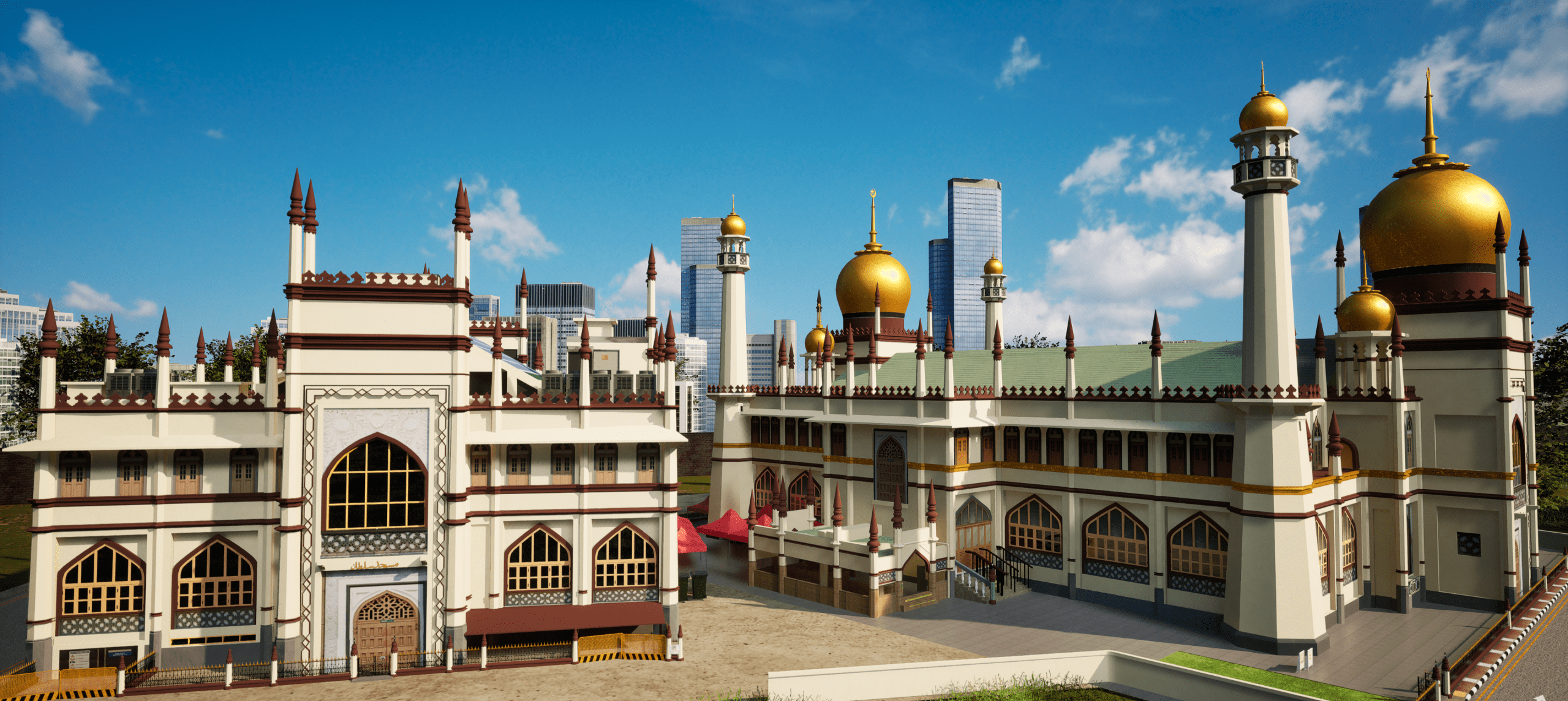
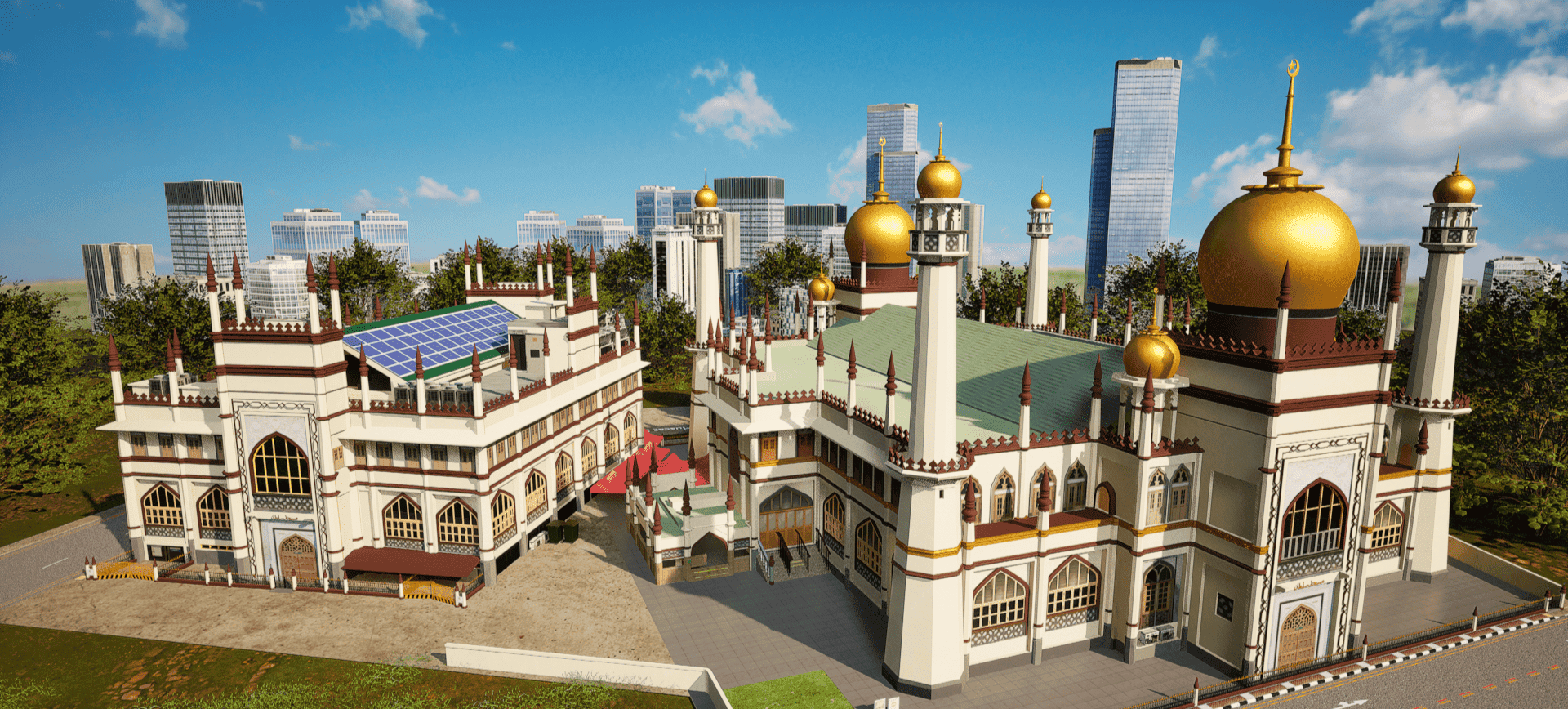
Sultan Mosque

Sultan Mosque, also known as Masjid Sultan, is one of Singapore’s most iconic religious landmarks located in the historic Kampong Glam district. Renowned for its majestic golden domes and grand architectural design, the mosque stands as a symbol of the Muslim community’s heritage and cultural identity in Singapore.

Through this Digital Twin project, the mosque has been recreated in a detailed virtual environment, allowing users to explore its structure and appreciate its historical significance in an immersive and accessible way.

What We Did

  • Detailed 3D Modeling: Captured domes, minarets, and structural elements with high precision
  • Material & Surface Design: Recreated textures and finishes for realistic visual output
  • Lighting Setup: Simulated natural lighting to highlight architectural features
  • Performance Optimization: Balanced visual quality with smooth real-time performance


Outcome

The Digital Twin of Sultan Mosque delivers an immersive representation of one of Singapore’s most iconic landmarks, enabling users to experience its architectural beauty in a virtual environment. It enhances accessibility by allowing global audiences to explore the space remotely while gaining a deeper appreciation of its cultural and historical significance.

Beyond visualization, the project supports heritage preservation by digitally documenting the mosque’s structure with high accuracy. Its optimized design ensures smooth performance across platforms, making it suitable for web-based experiences, virtual tours, and future AR/VR integrations.

Indian Heritage Centre

Indian Heritage Centre

Indian Heritage Building

Digital Twins are increasingly used to replicate buildings and environments in a virtual space. From heritage sites to modern infrastructure, a digital model allows users to explore, analyze, and manage spaces remotely.

These digital environments can simulate real-world conditions such as lighting, structural performance, and user interaction, providing valuable insights for maintenance, renovation, and planning.

This approach is especially useful for cultural preservation, allowing important landmarks to be documented and experienced digitally while protecting the physical structure.

What We Did

  • 3D Architectural Modeling: Built an accurate representation of the structure with precise proportions and design elements
  • Material & Texture Development: Applied realistic materials to reflect the building’s distinctive façade
  • Lighting & Environment: Designed natural lighting to enhance depth, mood, and realism
  • Optimization: Ensured smooth performance for real-time viewing across platforms

Outcome

This Digital Twin transforms the Indian Heritage Centre into an interactive and accessible digital experience, allowing users to explore the architecture without physical limitations. The project enhances engagement by providing a realistic and immersive representation of the building, making it valuable for education, virtual tours, and cultural storytelling.

It also serves as a long-term digital archive, preserving the structure’s architectural identity and cultural significance. By combining visual accuracy with optimized performance, the solution is scalable across web, AR, and VR platforms, ensuring it remains relevant for future digital applications.