The Evolution of Visual Policy: A Strategic Framework for 2D Animation in Singapore’s Public Sector

In an era of rapid information cycles and diverse digital consumption, the Singapore government and its various statutory boards face a unique challenge: translating complex national policies into accessible, engaging, and culturally resonant narratives.

As we progress through 2026, 2D animation has moved beyond a “creative choice” to become a fundamental communication tool for the public sector. This guide examines the strategic deployment of 2D animation within the Singaporean context, analyzing why this medium is uniquely suited for public outreach and how to optimize it for maximum civic impact.

1. The Psychology of the 2D Medium in Civic Communication

Why does a hand-drawn or vector-based character often outperform live-action footage in government campaigns? The answer lies in the “abstraction of authority.”

Universal Relatability

Live-action video is often limited by the specific demographics of the actors on screen. 2D animation, however, allows for the creation of “universal” characters that can represent a broader cross-section of Singapore’s multicultural society without the friction of specific identity markers. This makes it an ideal medium for high-stakes topics such as healthcare or national defense, where the message must feel inclusive to all.

Simplifying the Complex

Government policies—whether related to the CPF (Central Provident Fund), HDB housing grants, or GST vouchers—are inherently technical. 2D animation excels at visual metaphor. Complex data can be transformed into dynamic infographics, and abstract legal frameworks can be visualized through step-by-step spatial storytelling.

2. Key Applications for Statutory Boards

The application of 2D animation varies significantly depending on the communication objective of the board or ministry involved.

Policy Education (The “How-To” Model)

For agencies like the Ministry of National Development (MND), the goal is often clarity. 2D animation allows for a modular approach where specific sections of a policy—such as the eligibility criteria for a BTO flat—can be broken down into digestible, 30-second segments.

  • Case Analysis: Comic-style explainers have been shown to increase comprehension rates for policy updates by up to 45% compared to text-based PDFs.

Behavioral Change (The “Nudge” Model)

Health and safety campaigns (e.g., HPB or MOH) often require a softer touch. 2D characters provide an approachable tone that “nudges” the public toward better habits—such as vaccination or exercise—without the perceived “preachiness” of a formal government PSA.

Internal Training and Digital Twins

Beyond public-facing content, statutory boards are increasingly using 2D animation for internal staff training. Visualizing new standard operating procedures (SOPs) through animation ensures consistency across large departments while being more cost-effective to update as regulations change.

3. Benchmarking the Landscape: 2D Animation Specialists in Singapore

When selecting a partner for public-sector initiatives, it is helpful to compare the specific technical strengths of established studios.

StudioCore StrengthsGovernment/Board ExperiencePrimary Specialization
SuperpixelSocial media 2D, immersive CGIMandai Wildlife, TikTokHigh-impact social campaigns
fewStonesFast explainer videosCorporate/Govt hybridsRapid turnaround content
Offing MediaEducational 2DVarious Government AgenciesAI-accelerated production
Robot PlaygroundCharacter-driven storiesMediacorp, StarHubHigh-profile narrative PSAs
Artzee.sgPolicy explainers, AR-enhanced 2DMediacorp, National GeographicTechnical policy storytelling

4. The 2026 Landscape: Technical Trends in Public Campaigns

The animation industry in Singapore is currently undergoing a technical renaissance, driven by three primary factors:

AI-Assisted Workflows

Recent advancements in AI-assisted inbetweening and automated lip-syncing have significantly reduced the “time-to-market” for government PSAs. This allows agencies to respond to emerging national issues—such as public health alerts or anti-scam warnings—with high-quality visuals in a matter of days rather than weeks.

Mobile-First and Short-Form

With the “Our SG Arts Plan” emphasizing digital reach, there is a marked shift toward vertical (9:16) 2D animation optimized for TikTok, Instagram Reels, and YouTube Shorts. These formats prioritize rapid-fire visual hooks to capture attention in cluttered social feeds.

Sustainable Production

As Singapore moves toward its Green Plan 2030, government procurement is increasingly looking at the carbon footprint of creative services. 2D animation is inherently more sustainable than large-scale live-action shoots, as it requires no travel for large crews and can be produced using eco-friendly cloud-based rendering farms.

5. Best Practices for High-Impact Civic Campaigns

To ensure a 2D animation project delivers tangible ROI for a statutory board, several cultural and technical nuances must be addressed:

  1. Localized Cultural Nods: While the animation should be universal, subtle inclusions of local architecture or iconic daily life scenes can build immediate trust and “neighborhood familiarity.”
  2. Accessibility First: All public-sector animations should be designed with accessibility in mind, including high-contrast color palettes for the visually impaired and integrated subtitles in Singapore’s four official languages.
  3. Cross-Platform Adaptation: A single 2-minute “master” video is no longer enough. Successful campaigns repurpose 2D assets into static infographics for Telegram, GIFs for WhatsApp, and 15-second “teasers” for social media.

Conclusion: Visual Literacy as a National Asset

The move toward 2D animation in Singapore’s government sector is not just a trend; it is a reflection of a society that values efficient, clear, and inclusive communication. By leveraging the versatility of the 2D medium, statutory boards can ensure that national policies are not just announced, but understood and embraced by the public.

For agencies looking to pilot new communication strategies, the focus should remain on clarity, cultural resonance, and technical agility. As the visual landscape continues to evolve, those who master the art of animated storytelling will remain at the forefront of civic engagement.

To discuss the strategic implementation of 2D animation for public sector initiatives, you can reach out for a technical consultation at info@artzee.sg or visit our studio in the heart of the CBD at 531 Upper Cross Street, #04-02 Hong Lim Complex.


Some More Cool Projects

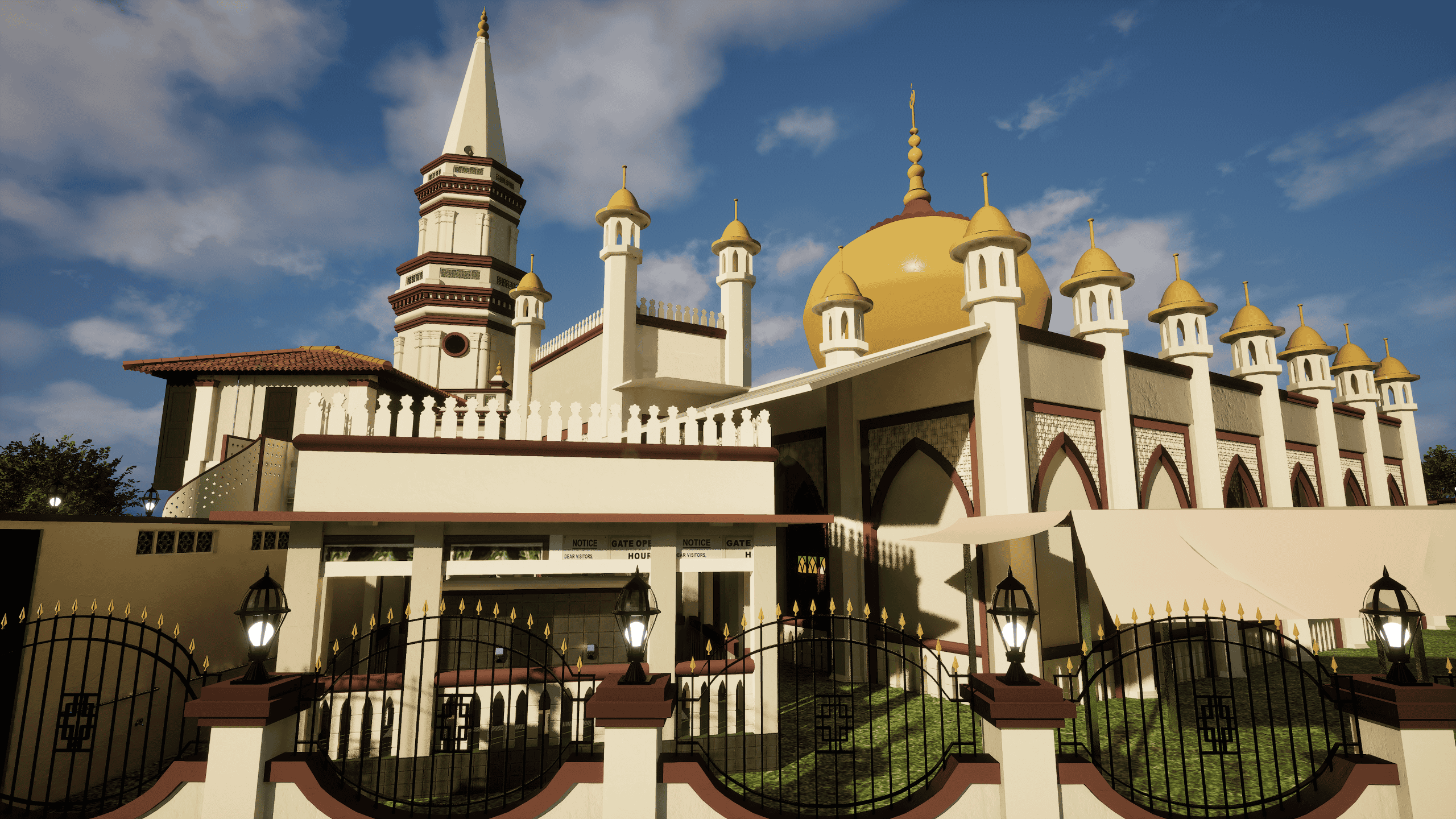
Masjid Hajjah Fatimah

Masjid Hajjah Fatimah

Game assets

Masjid Hajjah Fatimah

Masjid Hajjah Fatimah is one of Singapore’s oldest and most distinctive mosques, known for its unique blend of Islamic and European architectural influences. Located in Kampong Glam, it stands as a symbol of cultural heritage and historical significance within the Muslim community.

This Digital Twin project recreates the mosque in a detailed virtual environment, allowing users to explore its architecture and appreciate its unique design in an immersive and accessible way.

What We Did

  • 3D Architectural Modeling: Recreated the mosque’s structure with accurate proportions and detailing
  • Material & Texture Development: Developed realistic surfaces to reflect its historical and architectural character
  • Lighting & Environment: Applied natural lighting to enhance depth and highlight key design elements
  • Optimization: Ensured smooth performance for real-time interaction across platforms

Outcome

The Digital Twin of Masjid Hajjah Fatimah transforms a historically significant landmark into an interactive digital experience. It allows users to explore the mosque remotely, improving accessibility while preserving its architectural and cultural identity.

With optimized performance and scalable design, the model can be used for virtual tours, educational purposes, and immersive AR/VR applications. This project demonstrates how heritage spaces can be preserved and experienced through modern digital technology.

burj al arab

burj al arab

Digital Twin

Burj al Arab

Burj Al Arab is one of the most iconic luxury hotels in the world, located in Dubai and renowned for its distinctive sail-shaped architecture. It stands as a symbol of modern engineering, innovation, and architectural excellence.

This Digital Twin project recreates the Burj Al Arab in a detailed virtual environment, allowing users to explore its unique structure and appreciate its design from an immersive digital perspective.

What We Did

  • 3D Architectural Modeling: Recreated the sail-shaped structure with accurate proportions and structural detailing
  • Material & Texture Development: Captured reflective surfaces and exterior materials to match the building’s identity
  • Lighting & Environment: Designed realistic lighting to enhance form, depth, and visual impact
  • Optimization: Ensured smooth real-time performance across platforms

Outcome

The Digital Twin of Burj Al Arab transforms an iconic architectural landmark into an interactive digital experience. Users can explore the structure virtually, gaining a deeper understanding of its design and scale without physical constraints.

With optimized performance and high visual fidelity, the model is suitable for web-based platforms, virtual tours, and immersive AR/VR applications. This project demonstrates how complex architectural designs can be effectively translated into scalable and engaging digital environments.

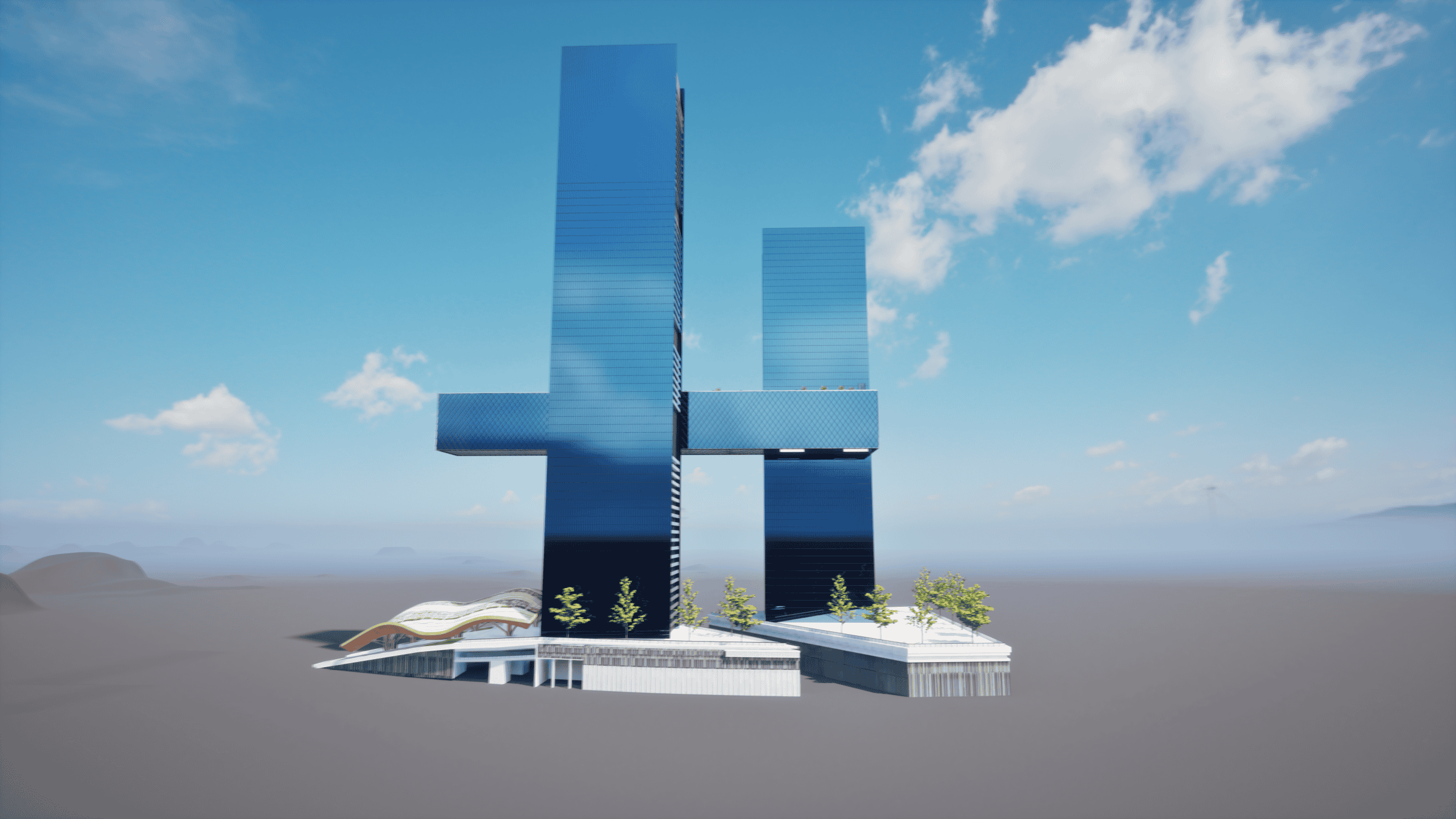
H Building

H Building

Digital Twin

H building

H buildings are a defining part of Singapore’s urban landscape, representing modern public housing and community living. Designed for functionality and efficiency, these residential structures play a key role in shaping everyday life across the city.

This Digital Twin project recreates an HDB building in a detailed virtual environment, allowing users to explore its structure, layout, and architectural features in an interactive and accessible way.

What We Did

  • 3D Architectural Modeling: Recreated the building structure with accurate proportions and layout
  • Material & Texture Development: Developed realistic surfaces to reflect common construction materials
  • Lighting & Environment: Applied natural lighting to simulate real-world conditions and enhance depth
  • Optimization: Ensured smooth performance for real-time interaction across platforms

Outcome

The Digital Twin of the H building provides an immersive and practical representation of residential architecture in Singapore. It allows users to visualize and explore the building remotely, making it useful for education, urban planning, and digital presentations.

With optimized performance and scalable design, the model can be adapted for web-based platforms, virtual tours, and AR/VR applications. This project demonstrates how everyday structures can be transformed into interactive digital experiences that support both communication and innovation.

Museum of future

Museum of future

Digital Twin

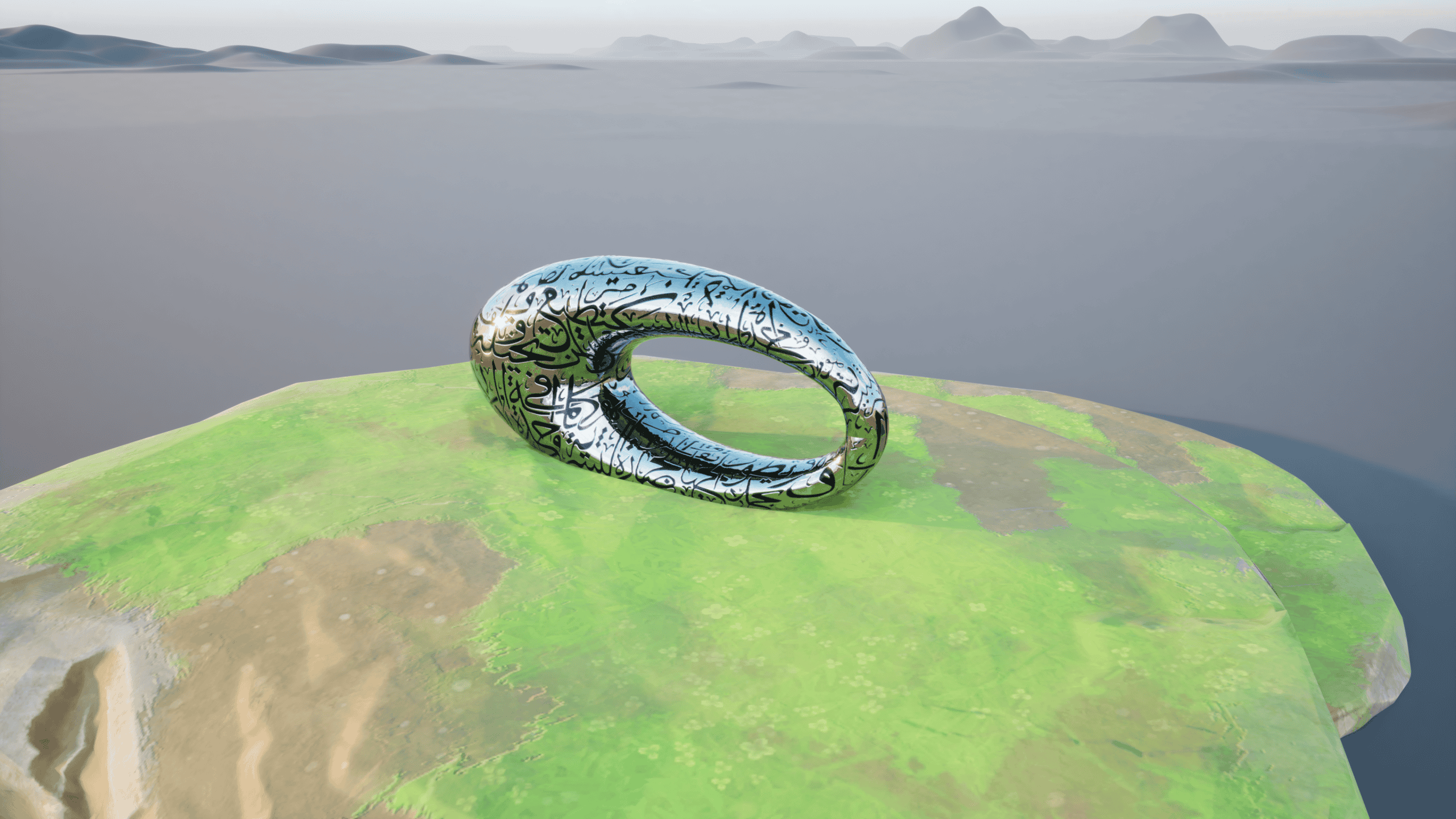
Museum of the Future

The Museum of the Future in Dubai is a world-renowned architectural landmark that represents innovation, technology, and forward-thinking design. Known for its unique torus-shaped structure and futuristic façade, it stands as a symbol of human imagination and progress.

This Digital Twin project recreates the museum in a detailed virtual environment, allowing users to explore its iconic form and experience its design from an immersive digital perspective.

What We Did

  • 3D Architectural Modeling: Recreated the complex curved structure with accurate proportions and detailing
  • Material & Texture Development: Captured the reflective metallic surface and distinctive façade patterns
  • Lighting & Environment: Applied realistic lighting to enhance depth and highlight architectural features
  • Optimization: Ensured smooth performance for real-time interaction across platforms

Outcome

The Digital Twin of the Museum of the Future transforms a complex architectural masterpiece into an accessible digital experience. Users can explore the structure virtually, gaining a deeper understanding of its design and scale without physical limitations.

The project also serves as a scalable digital asset for virtual tours, presentations, and immersive applications. With optimized performance and high visual fidelity, it is suitable for web-based platforms as well as future AR and VR experiences, extending its reach to a global audience.

Assets Optimization & integration

Assets Optimization & integration

UI/UX

Asset Optimization & Integration

Asset optimization and integration ensure that all game assets perform efficiently within a real-time environment without compromising visual quality. This process focuses on preparing assets for smooth performance while ensuring they work seamlessly within the game engine.

It is a crucial step in bridging creative design and technical implementation, allowing assets to function reliably across different platforms and devices.

What We Did

  • Polygon Optimization: Reduced geometry complexity while maintaining visual fidelity
  • Texture Optimization: Adjusted texture sizes and formats for efficient memory usage
  • LOD Setup (Level of Detail): Created multiple detail levels to improve performance at different distances
  • Engine Integration: Imported and configured assets within Unity or Unreal Engine
  • Material & Lighting Setup: Ensured correct rendering, shading, and consistency within the scene

Outcome

The final assets are optimized for real-time performance, ensuring smooth gameplay and faster load times across platforms. By balancing visual quality with technical efficiency, the assets integrate seamlessly into the game environment without causing performance issues.

This results in a stable, scalable, and production-ready solution that enhances user experience while supporting deployment across mobile, PC, and immersive platforms such as AR and VR.

Material & Texture Development

Material & Texture Development

03_Family Justice Courts

Material & Texture Development

Material and texture development defines the surface quality and visual realism of digital assets. It plays a critical role in how objects interact with light, influencing depth, detail, and overall visual appeal.

This process focuses on creating high-quality materials and textures that align with the project’s art style, whether realistic or stylized, while ensuring consistency across all assets.

What We Did

  • Material Creation: Developed physically accurate or stylized materials to match the project’s visual direction
  • Texture Mapping: Applied detailed textures to enhance surface quality and realism
  • PBR Workflow: Implemented maps such as base color, roughness, normal, and metallic for realistic rendering
  • Surface Detailing: Added wear, imperfections, and fine details to improve authenticity
  • Optimization: Ensured textures are efficient and suitable for real-time performance

Outcome

The final materials and textures significantly enhance the visual quality of assets, making them more realistic and immersive. By accurately responding to lighting and environmental conditions, they contribute to a more believable and engaging experience.

With optimized texture sizes and efficient workflows, the assets maintain high performance while delivering strong visual impact. These materials are scalable and adaptable across different platforms, including games, simulations, and AR/VR applications.

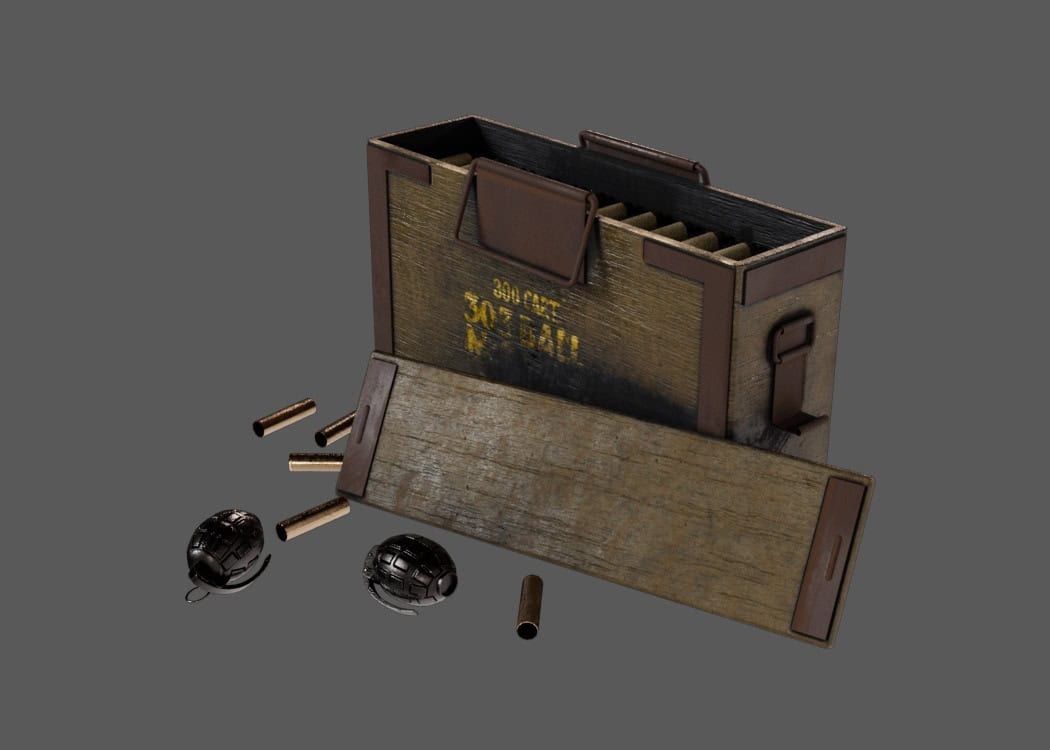
Character & Prop Assets

Character & Prop Assets

Character & Prop Assets

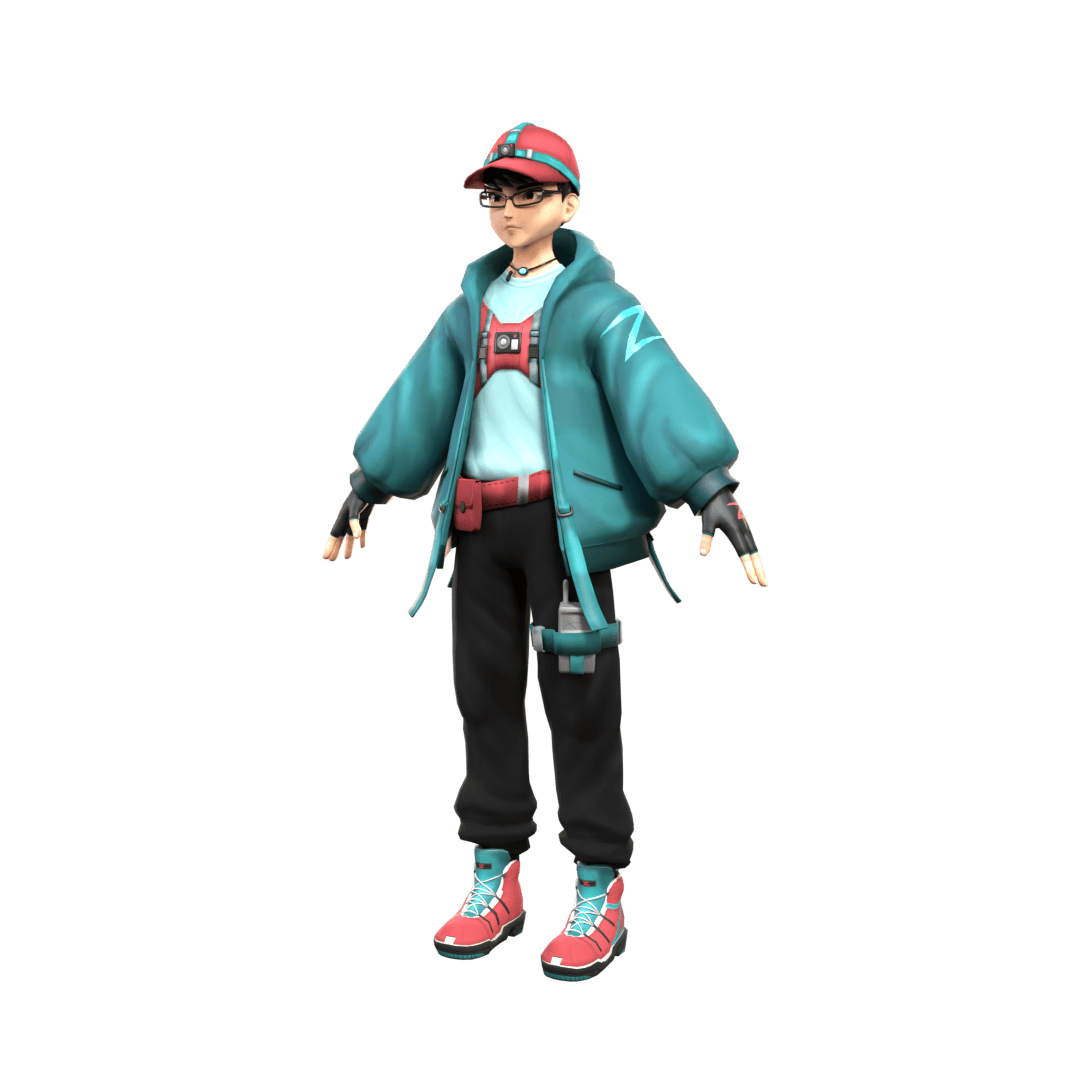
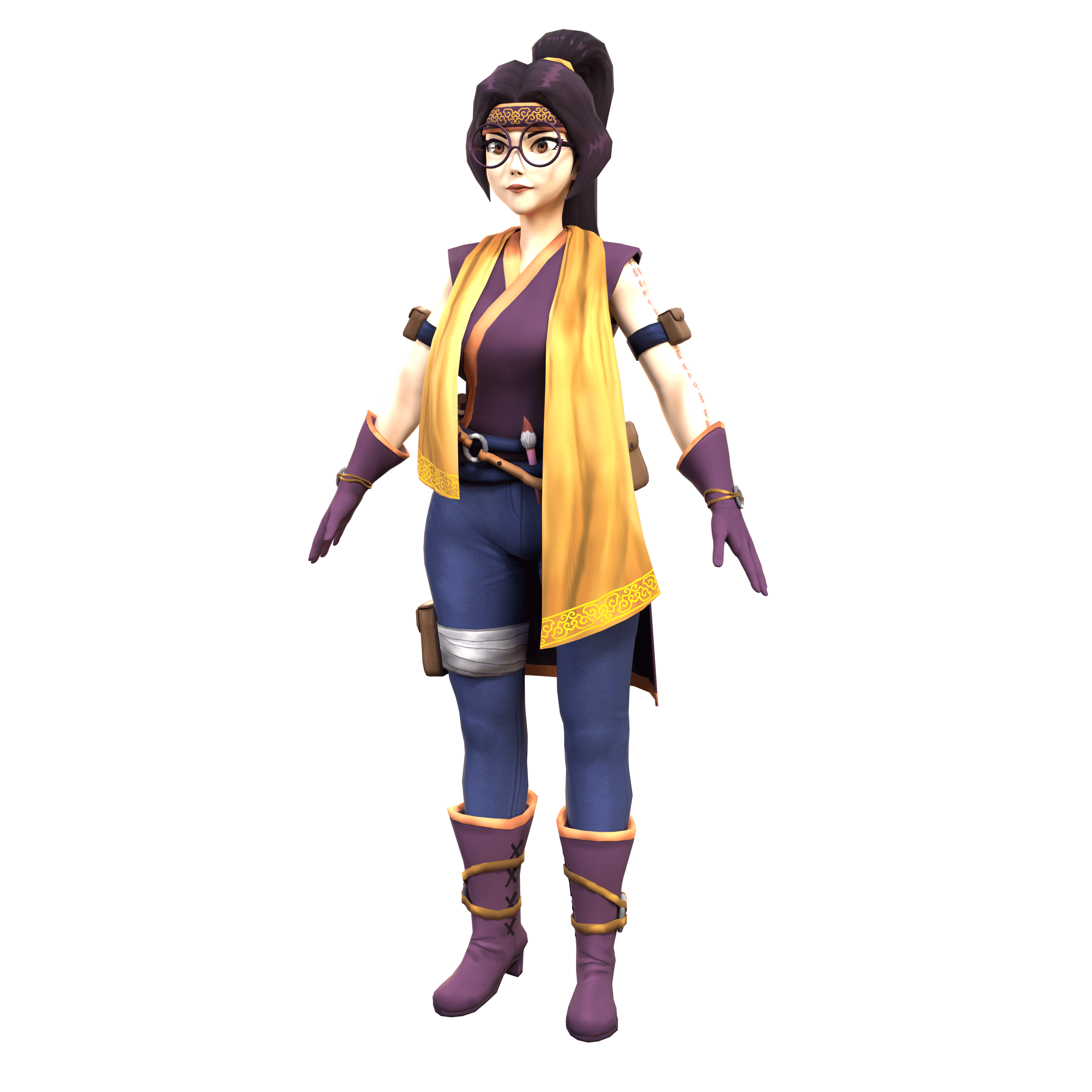
Character and prop assets bring life, interaction, and personality into a digital experience. Characters define identity and storytelling, while props enhance gameplay by adding functional and interactive elements within the environment.

This project focuses on creating detailed and optimized assets that align with the overall art style, ensuring both visual consistency and real-time performance.

What We Did

  • Character Modeling: Designed and built characters with accurate proportions and stylized or realistic detailing
  • Prop Creation: Developed interactive objects such as tools, furniture, and environment elements
  • Material & Texture Development: Applied high-quality textures to enhance visual depth and realism
  • Rigging & Preparation: Prepared assets for animation and in-game interaction where required
  • Optimization: Ensured all assets are lightweight and performance-ready for real-time use

Outcome

The final assets enhance the overall experience by adding depth, interaction, and visual identity to the project. Characters help drive storytelling and engagement, while props support gameplay and environment interaction.

With optimized design and scalable structure, these assets integrate seamlessly into game engines and can be used across multiple platforms, including games, simulations, and AR/VR applications.

Game Environment

Game Environment

Shot_2

Game Environment

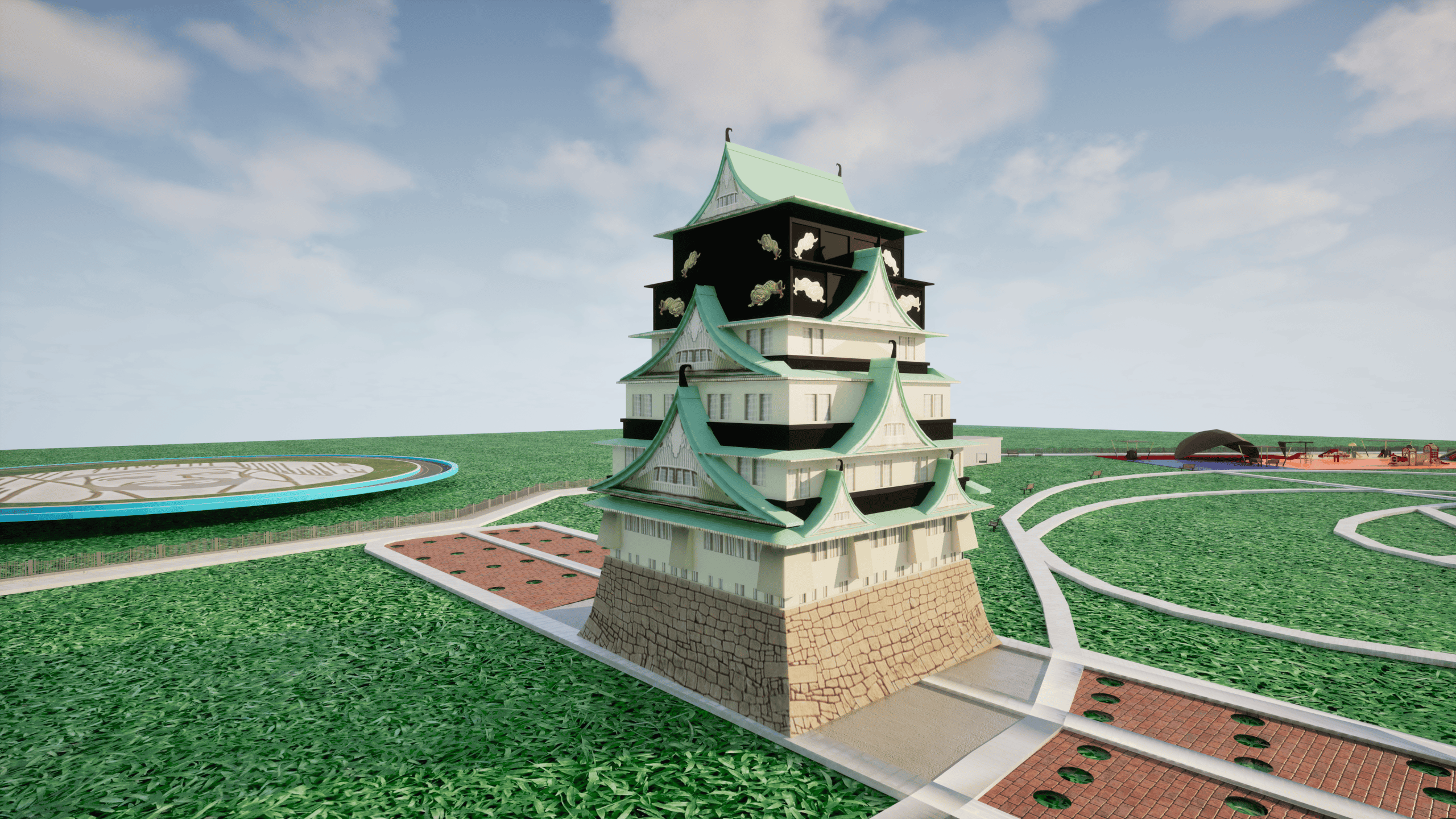
Game environments form the foundation of immersive digital experiences, shaping how players explore and interact with the game world. From realistic architectural spaces to stylized fantasy landscapes, environments define the atmosphere, mood, and overall visual identity of a project.

This project focuses on creating a detailed and optimized game environment that balances visual quality with real-time performance, ensuring a smooth and engaging user experience.

What We Did

  • 3D Environment Modeling: Designed and built detailed landscapes, structures, and environmental elements
  • Material & Texture Development: Created realistic or stylized surfaces to enhance visual appeal
  • Lighting & Atmosphere: Implemented lighting to establish mood, depth, and environmental storytelling
  • Level Composition: Structured the environment to support navigation and user interaction
  • Optimization: Ensured assets are performance-ready for real-time rendering across platforms

Outcome

The final environment delivers a visually immersive and interactive digital space that enhances user engagement and overall experience. By combining detailed design with optimized performance, the environment runs smoothly across devices while maintaining high visual quality.

It can be used across multiple applications, including games, simulations, and AR/VR experiences, making it a flexible and scalable asset. The result is a well-balanced environment that supports both creative storytelling and technical efficiency.

Dubai Frame

Dubai Frame

Digital Twin

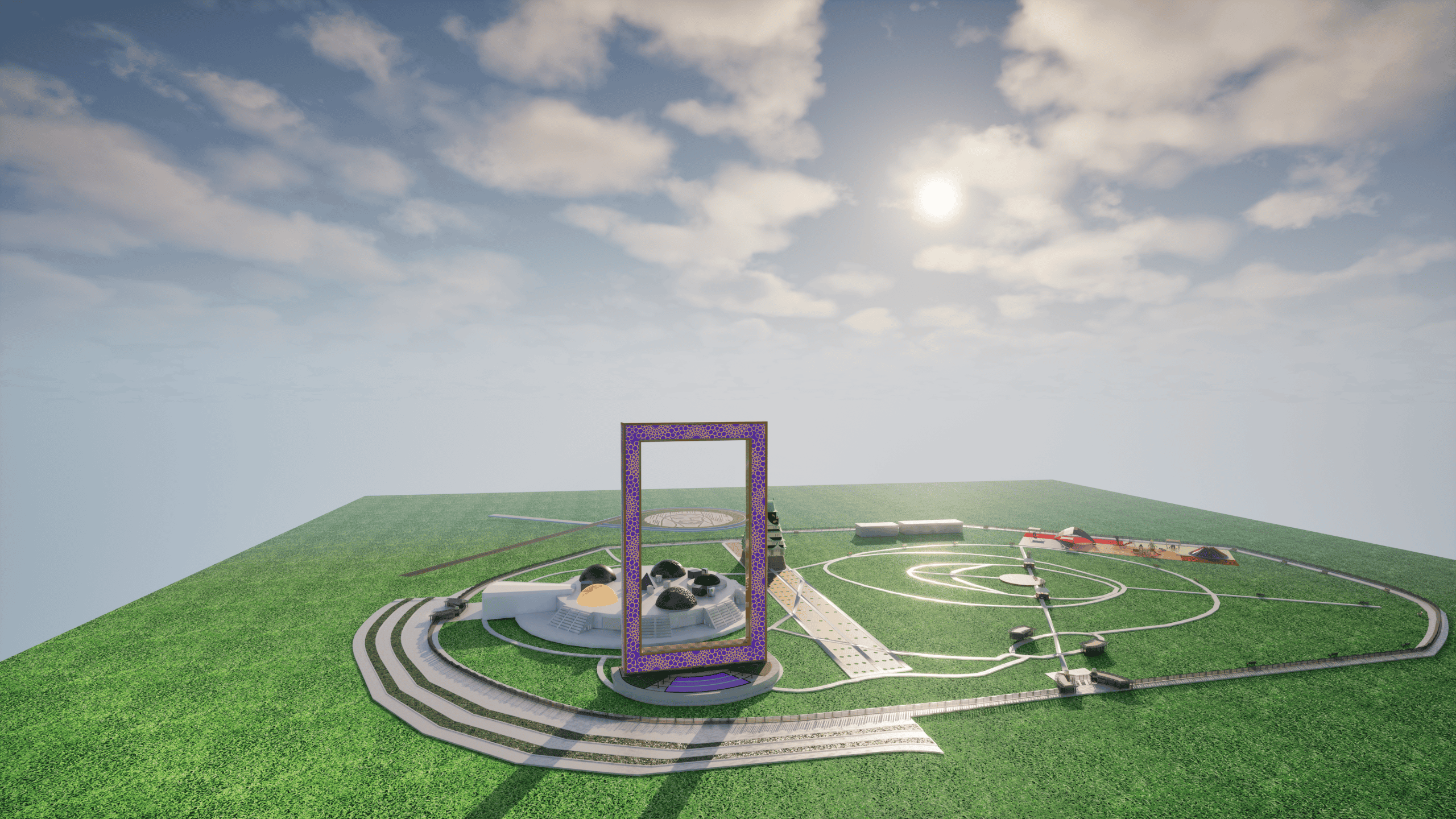
Dubai Frame

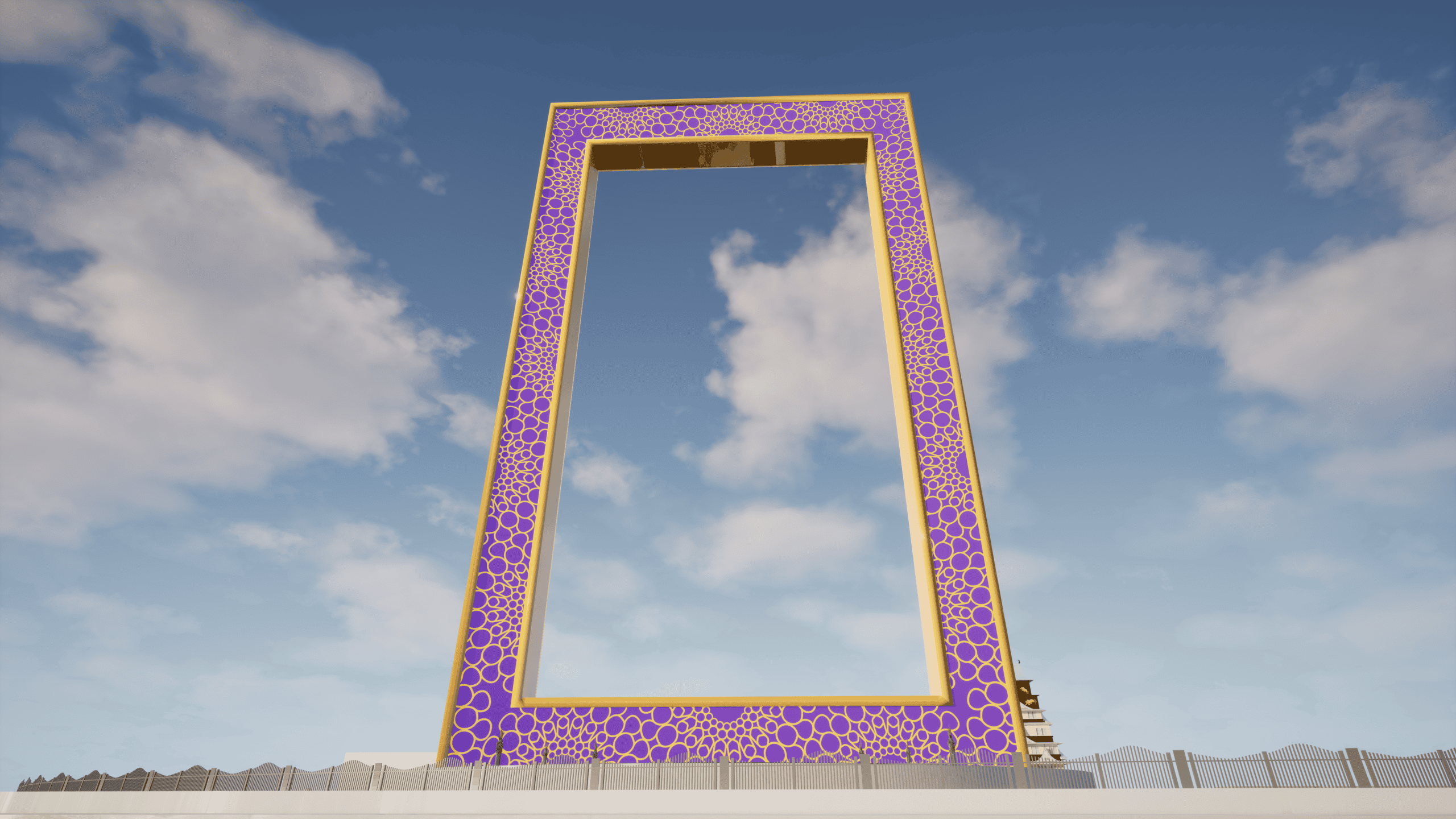
Dubai Frame is one of the city’s most iconic architectural landmarks, symbolizing the connection between old and new Dubai. Standing as a massive rectangular structure, it frames panoramic views of both the historic districts and the modern skyline, representing the city’s transformation over time.

This Digital Twin project recreates the Dubai Frame in a detailed virtual environment, allowing users to explore its structure and experience its scale and design from a new perspective.

What We Did

  • 3D Architectural Modeling: Recreated the full structure with accurate proportions and structural details
  • Material & Texture Development: Captured the distinctive golden façade and reflective surfaces
  • Lighting & Environment: Designed realistic lighting to enhance depth and highlight the landmark’s form
  • Optimization: Ensured smooth performance for real-time interaction across platforms

Outcome

The Digital Twin of Dubai Frame transforms a modern architectural icon into an immersive digital experience. It allows users to explore the structure virtually, understand its scale, and appreciate its design without being physically present.

The project also serves as a scalable digital asset for virtual tours, presentations, and interactive applications. With optimized performance and high visual accuracy, it is suitable for web-based experiences as well as future AR and VR integrations, extending accessibility to a global audience.

The Cenotaph

The Cenotaph

5

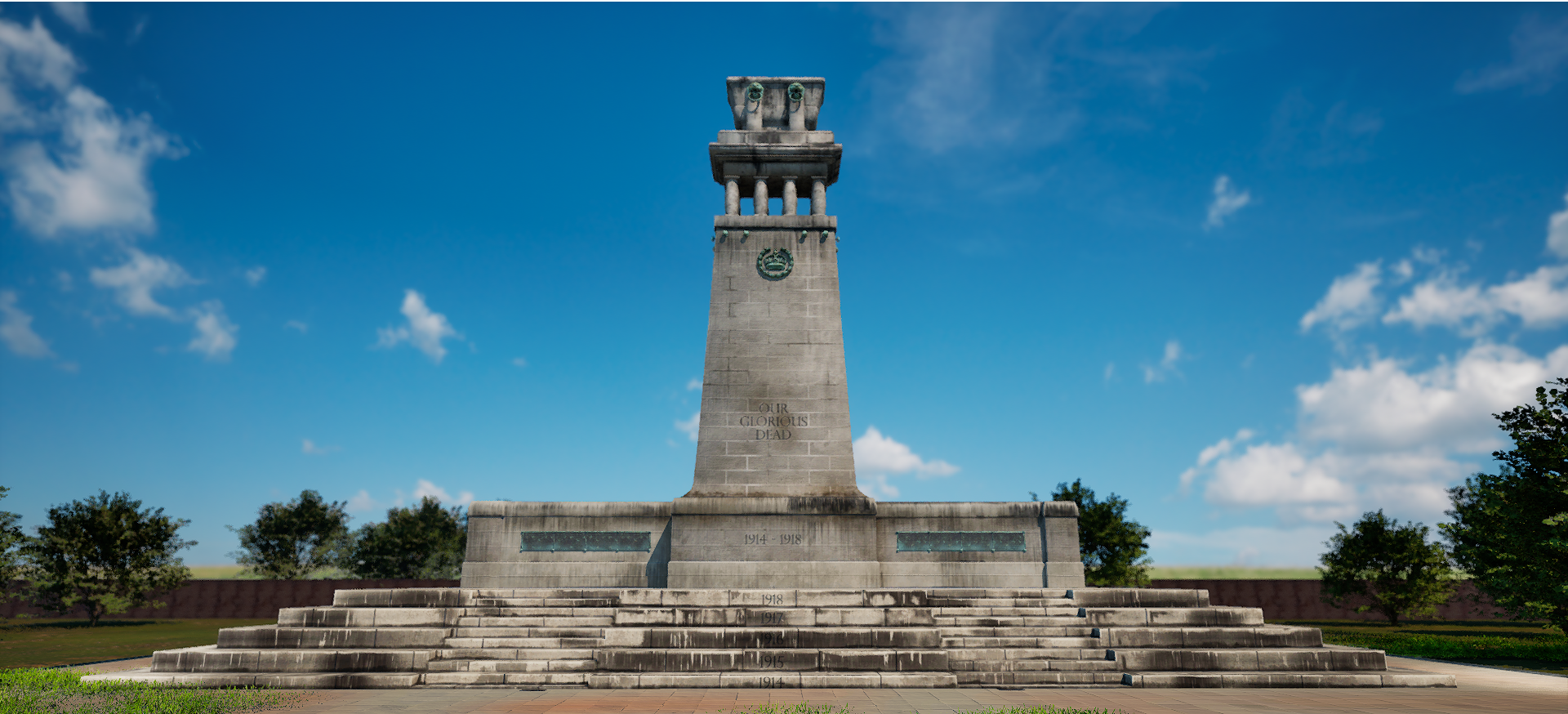
The Cenotaph

The Cenotaph is a historic war memorial located in Singapore, dedicated to honoring the sacrifices of soldiers who lost their lives during World War I and World War II. As a symbol of remembrance and respect, it holds deep historical and cultural significance within the nation.

This Digital Twin project recreates the monument in a detailed virtual environment, allowing users to experience and explore its structure in an immersive and accessible way.

What We Did

  • 3D Modeling: Accurately recreated the monument’s structure with precise proportions and detailing
  • Material & Texture Work: Developed realistic stone textures to reflect the original surface and aging
  • Lighting & Environment: Designed natural lighting to enhance depth and highlight the monument’s form
  • Optimization: Ensured smooth performance for real-time viewing across platforms

Outcome

The Digital Twin of The Cenotaph transforms a significant historical monument into an interactive digital experience. It enables users to explore and appreciate the memorial remotely, making it more accessible for education, virtual tours, and cultural awareness.

Beyond visualization, the project serves as a digital archive, preserving the monument’s structure and historical importance for future generations. With optimized performance and scalability, it can be adapted for web, AR, and VR platforms, extending its reach and impact.

Sultan Mosque

Sultan Mosque

SHOT 5

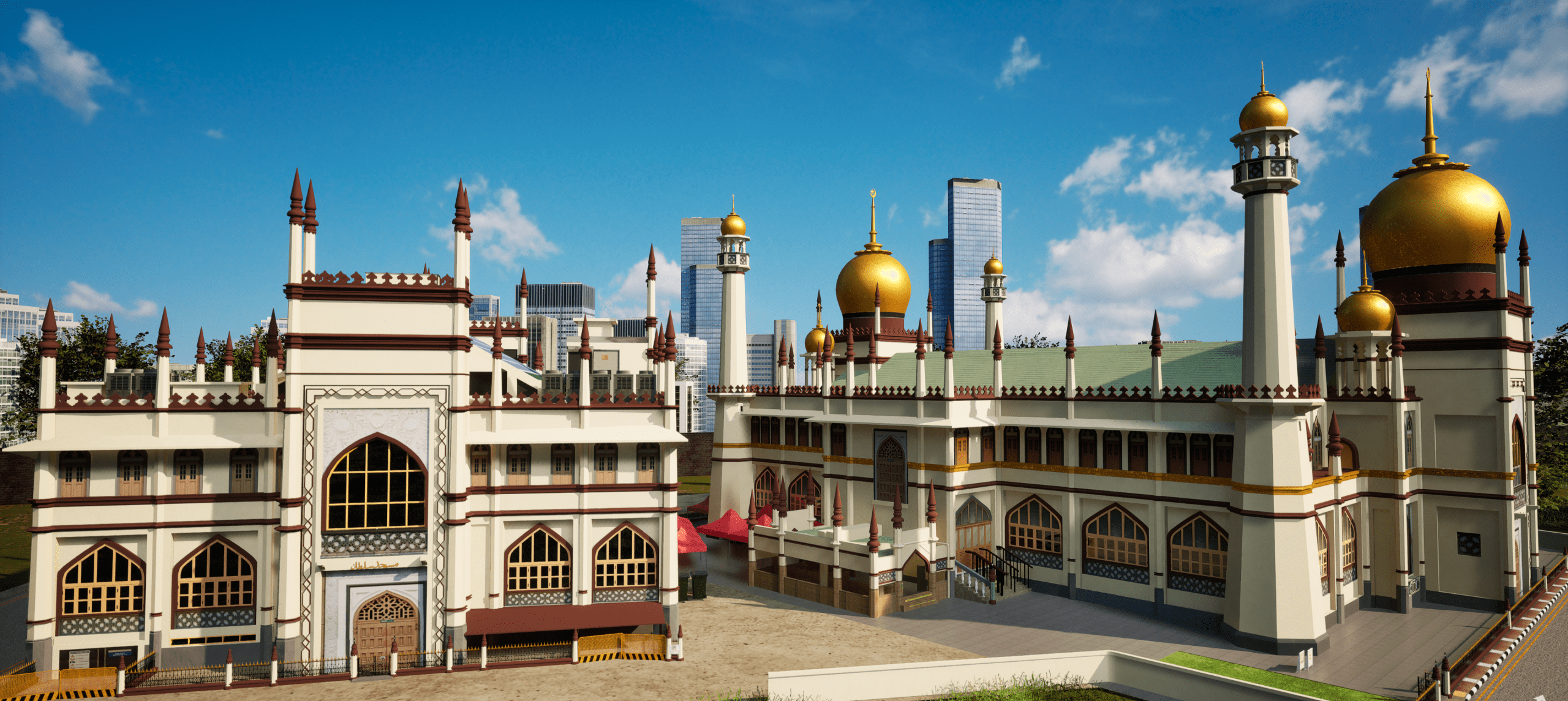
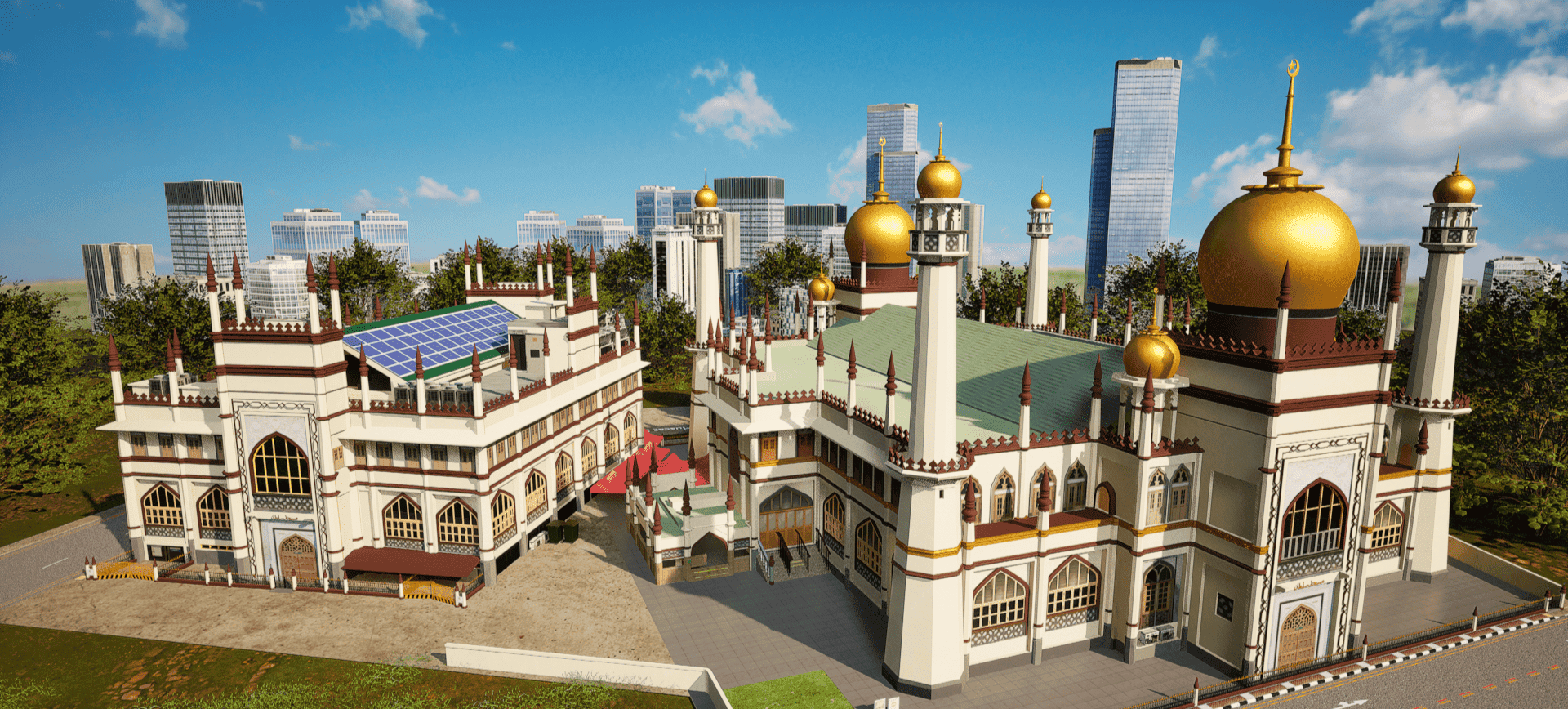
Sultan Mosque

Sultan Mosque, also known as Masjid Sultan, is one of Singapore’s most iconic religious landmarks located in the historic Kampong Glam district. Renowned for its majestic golden domes and grand architectural design, the mosque stands as a symbol of the Muslim community’s heritage and cultural identity in Singapore.

Through this Digital Twin project, the mosque has been recreated in a detailed virtual environment, allowing users to explore its structure and appreciate its historical significance in an immersive and accessible way.

What We Did

  • Detailed 3D Modeling: Captured domes, minarets, and structural elements with high precision
  • Material & Surface Design: Recreated textures and finishes for realistic visual output
  • Lighting Setup: Simulated natural lighting to highlight architectural features
  • Performance Optimization: Balanced visual quality with smooth real-time performance


Outcome

The Digital Twin of Sultan Mosque delivers an immersive representation of one of Singapore’s most iconic landmarks, enabling users to experience its architectural beauty in a virtual environment. It enhances accessibility by allowing global audiences to explore the space remotely while gaining a deeper appreciation of its cultural and historical significance.

Beyond visualization, the project supports heritage preservation by digitally documenting the mosque’s structure with high accuracy. Its optimized design ensures smooth performance across platforms, making it suitable for web-based experiences, virtual tours, and future AR/VR integrations.

Indian Heritage Centre

Indian Heritage Centre

Indian Heritage Building

Digital Twins are increasingly used to replicate buildings and environments in a virtual space. From heritage sites to modern infrastructure, a digital model allows users to explore, analyze, and manage spaces remotely.

These digital environments can simulate real-world conditions such as lighting, structural performance, and user interaction, providing valuable insights for maintenance, renovation, and planning.

This approach is especially useful for cultural preservation, allowing important landmarks to be documented and experienced digitally while protecting the physical structure.

What We Did

  • 3D Architectural Modeling: Built an accurate representation of the structure with precise proportions and design elements
  • Material & Texture Development: Applied realistic materials to reflect the building’s distinctive façade
  • Lighting & Environment: Designed natural lighting to enhance depth, mood, and realism
  • Optimization: Ensured smooth performance for real-time viewing across platforms

Outcome

This Digital Twin transforms the Indian Heritage Centre into an interactive and accessible digital experience, allowing users to explore the architecture without physical limitations. The project enhances engagement by providing a realistic and immersive representation of the building, making it valuable for education, virtual tours, and cultural storytelling.

It also serves as a long-term digital archive, preserving the structure’s architectural identity and cultural significance. By combining visual accuracy with optimized performance, the solution is scalable across web, AR, and VR platforms, ensuring it remains relevant for future digital applications.