What is Digital Twin?
A Digital Twin is a virtual representation of a real-world object, system, or environment that is continuously updated using real-time data. It mirrors the physical counterpart in a digital space, allowing users to visualize, monitor, and analyze performance with high accuracy.
By combining sensors, data analytics, and simulation technologies, Digital Twins enable businesses to better understand how systems behave, predict potential issues, and optimize operations without directly affecting the physical asset.
This technology is widely used across industries such as architecture, urban planning, healthcare, manufacturing, and infrastructure to improve efficiency and decision-making.
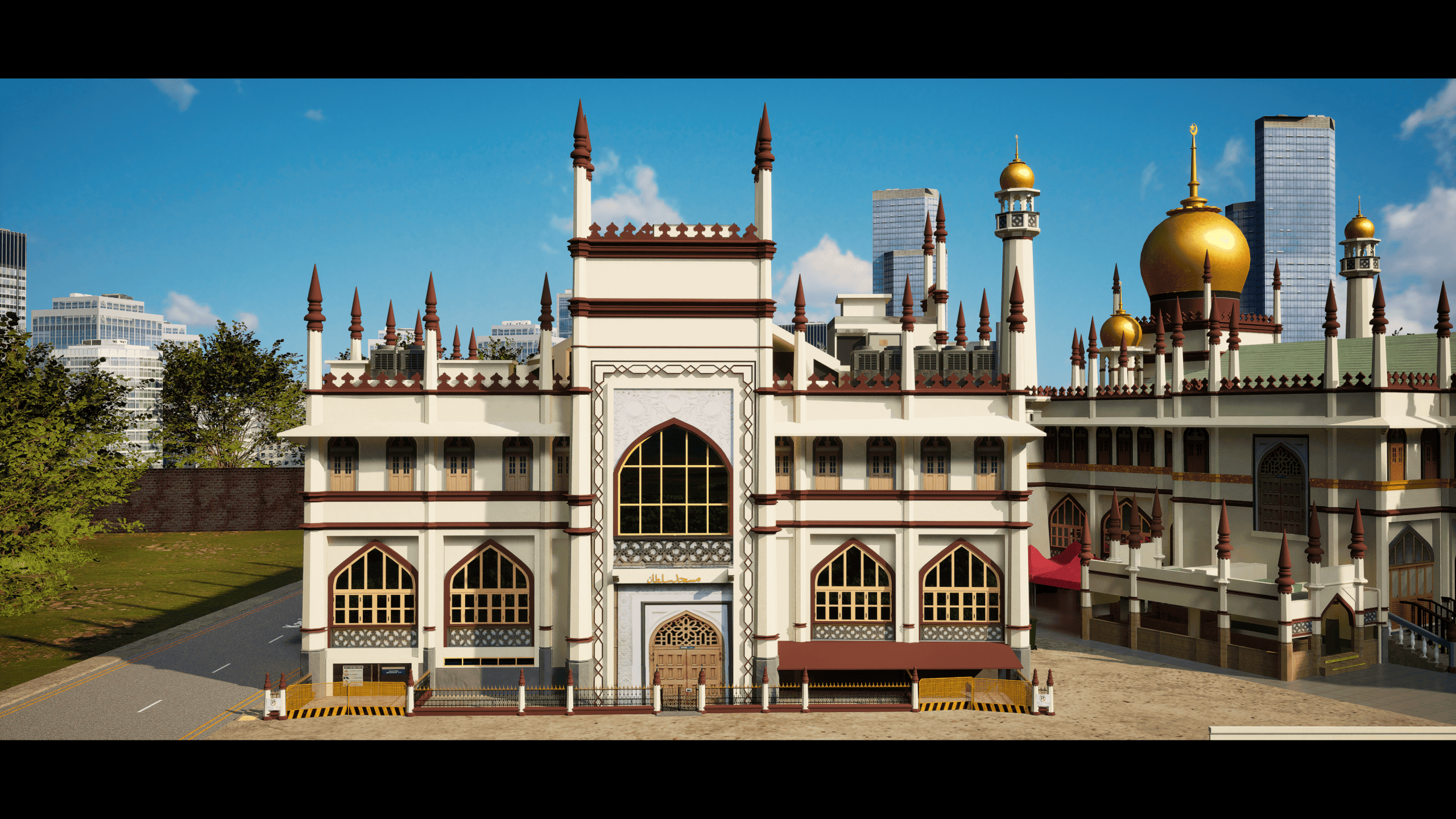
Indian Heritage Building
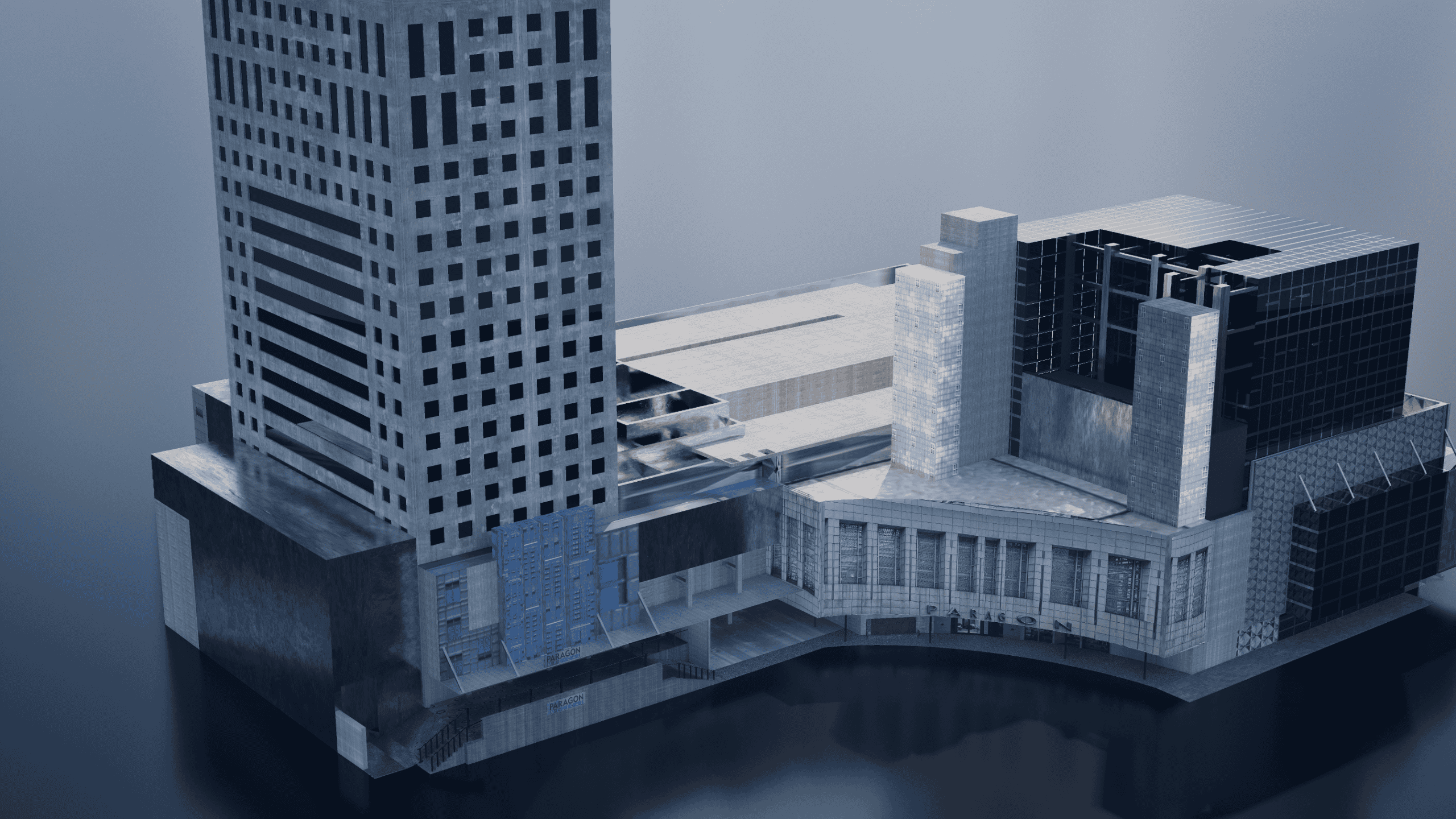
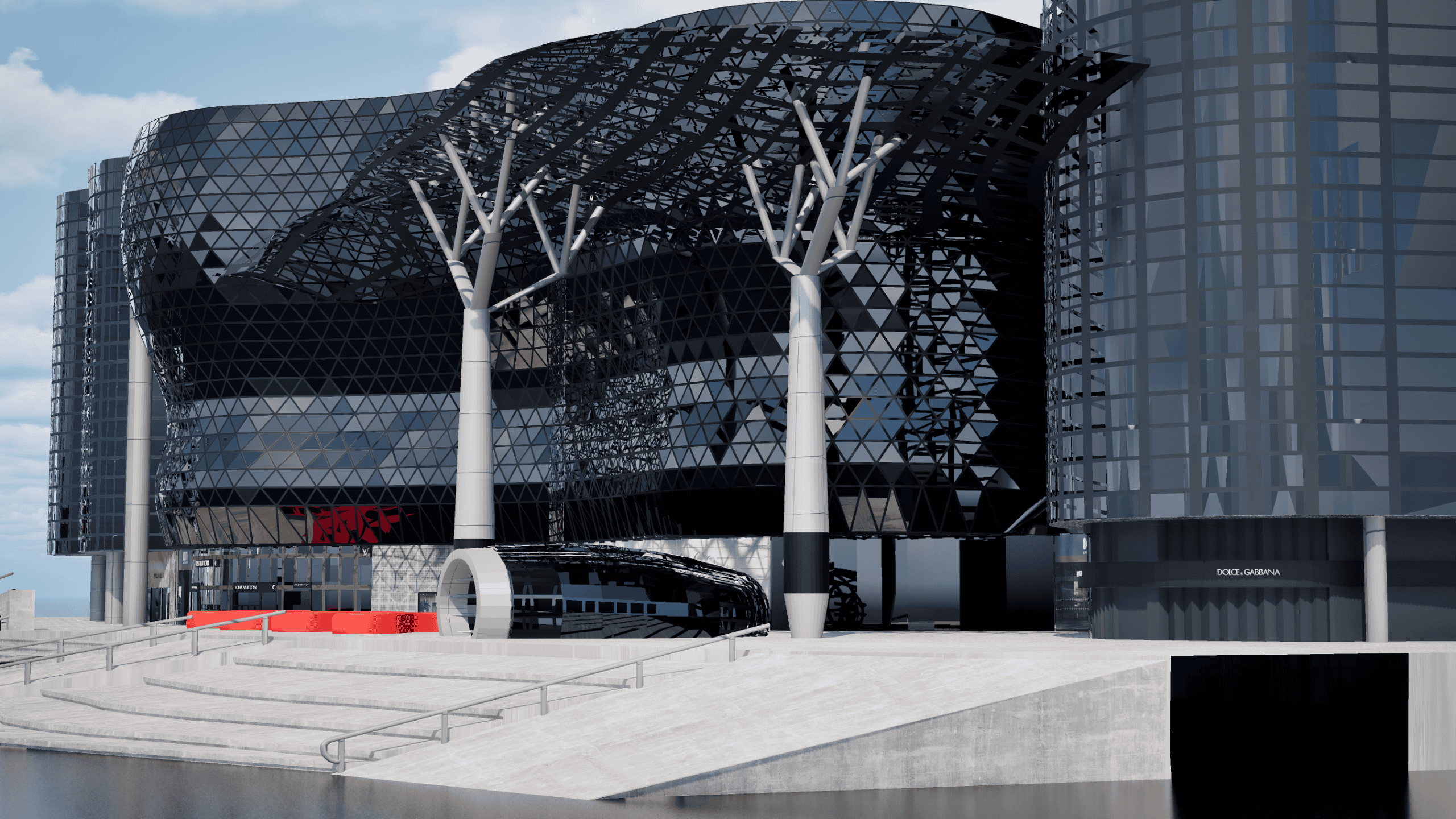
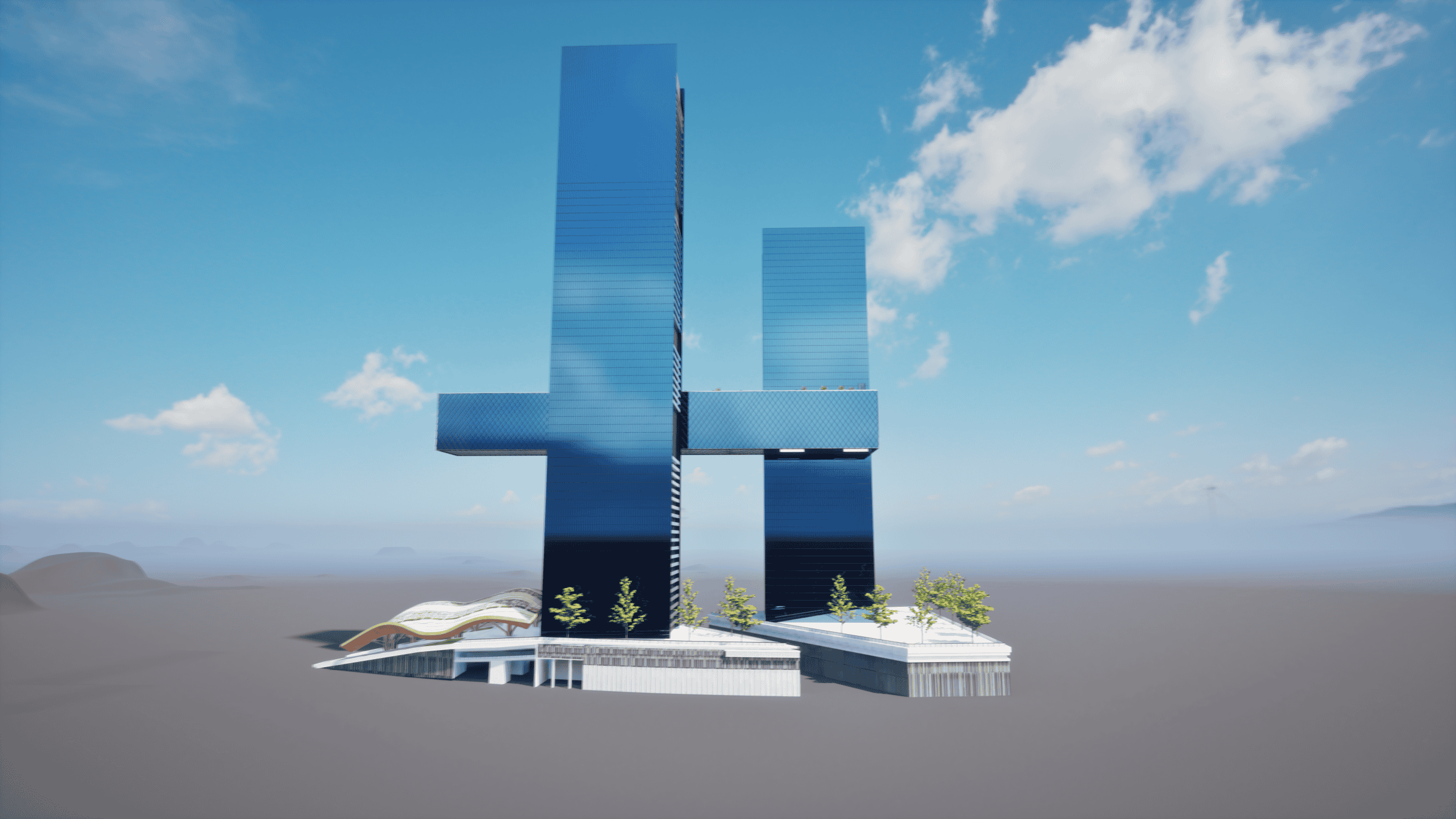
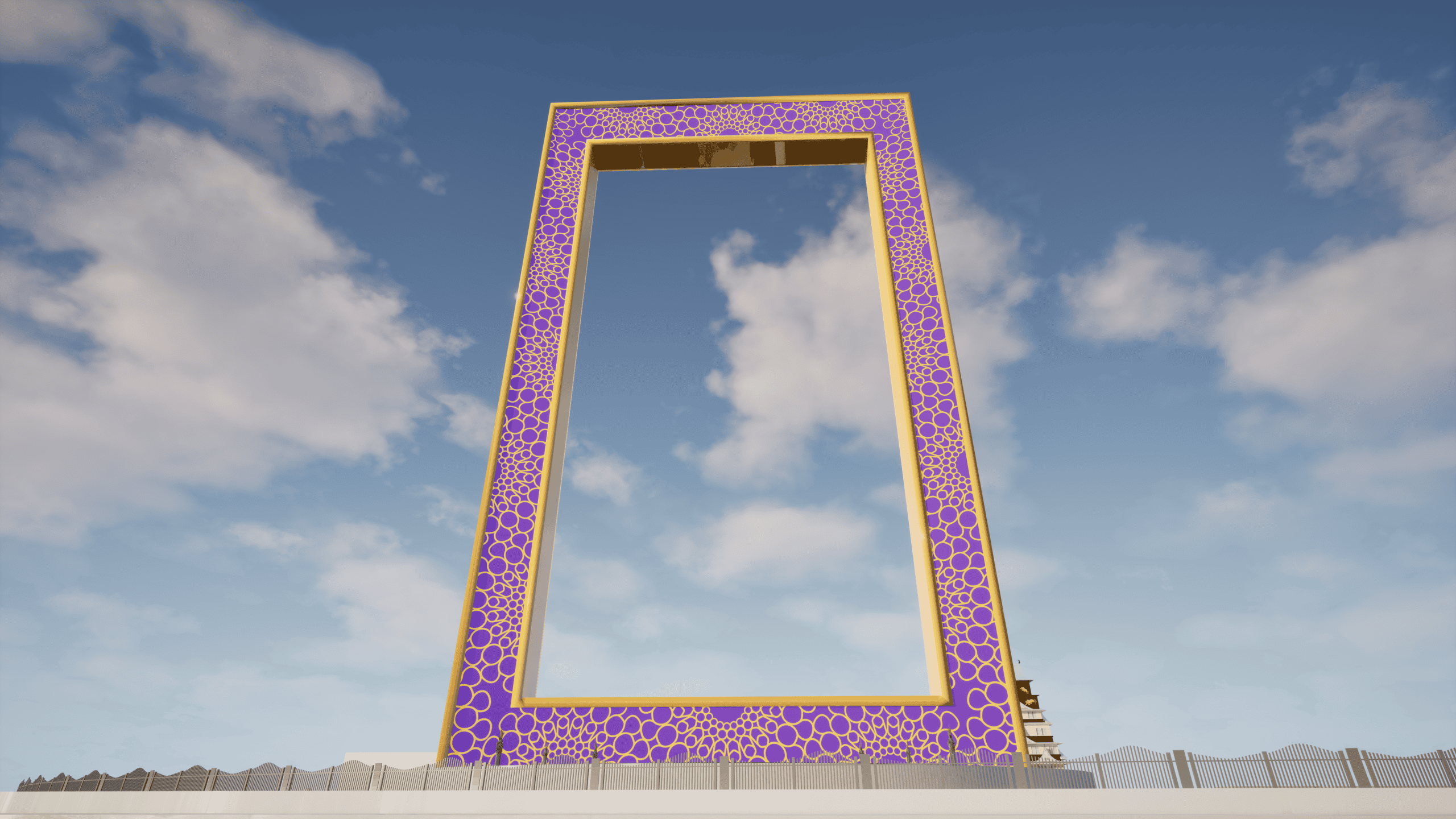
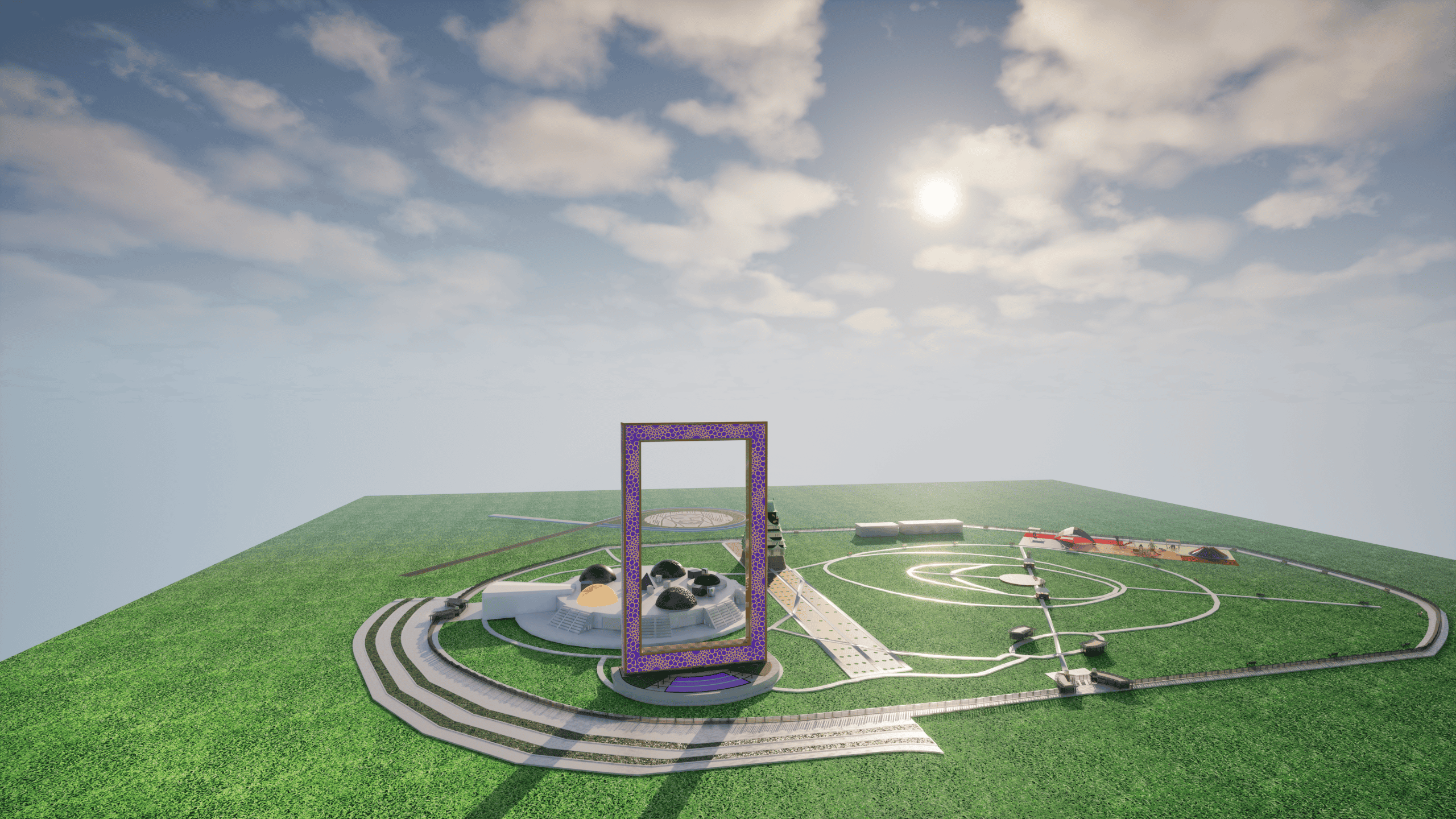
Digital Twins are increasingly used to replicate buildings and environments in a virtual space. From heritage sites to modern infrastructure, a digital model allows users to explore, analyze, and manage spaces remotely.
These digital environments can simulate real-world conditions such as lighting, structural performance, and user interaction, providing valuable insights for maintenance, renovation, and planning.
This approach is especially useful for cultural preservation, allowing important landmarks to be documented and experienced digitally while protecting the physical structure.
Simulation & Real-Time Insights
Digital Twin technology is its ability to simulate real-world scenarios using live data. By connecting sensors and data sources, the digital model can reflect current conditions and respond dynamically.
This allows businesses to test different scenarios, identify inefficiencies, and predict potential issues before they occur. From monitoring energy usage to analyzing structural integrity, Digital Twins provide actionable insights that improve decision-making.
Why Digital Twin Matters
Digital Twin technology transforms how we interact with the physical world by providing a dynamic and data-driven perspective. It enables smarter decision-making, reduces risks, and improves operational efficiency.
By bridging the gap between the physical and digital worlds, Digital Twins empower organizations to innovate, plan better, and create more sustainable and intelligent systems.