What is an Animation Video? A Detailed Guide for 2025

1. Introduction

Animation videos have become a cornerstone of modern communication, transforming how brands, educators, and storytellers engage audiences worldwide. In 2025, animation is not just about moving images—it’s a sophisticated blend of art, technology, and psychology designed to deliver messages effectively and memorably. This guide from Artzee Animation explores what animation videos are, their types, benefits, production processes, and the cutting-edge trends shaping their future.

Table of contents:

  • Introduction
  • Definition of Animation Video
  • Key Uses and Benefits
  • The Animation Production Process
  • Popular Styles and Formats
  • Technological Innovations Shaping Animation in 2025
  • How to Create an Animation Video
  • Future Trends and Outlook
  • Conclusion


2. Definition of Animation Video

drama

An animation video is a form of visual content created by sequencing images—whether hand-drawn, digitally illustrated, or computer-generated—to simulate motion and tell a story or explain a concept. Unlike live-action videos that capture real-world scenes, animation videos use creative visuals to represent ideas, characters, or data dynamically.

Types of Animation Videos:

  • 2D Animation: Traditional flat animations using frame-by-frame drawings or vector graphics, ideal for storytelling and explainer videos.
  • 3D Animation: Realistic or stylized three-dimensional models animated to create lifelike movements and environments.
  • Motion Graphics: Animated graphic elements like text, charts, and icons, often used in presentations and marketing.
  • Stop-Motion: Frame-by-frame capture of physical objects or puppets to create movement.
  • AR/VR Animation: Immersive animations designed for augmented and virtual reality platforms, enhancing interactivity.

Read here for more information: https://www.artzee.sg/2023/06/13/types-of-animations-2/

3. Key Uses and Benefits

Animation videos are highly effective because they:

  • Simplify Complex Information: Visual metaphors and dynamic storytelling reduce cognitive load, making difficult concepts easier to grasp. Research shows viewers retain up to 95% of information from videos compared to 10% from text alone.
  • Boost Engagement and Conversion: Animated content is more attention-grabbing and memorable, increasing conversion rates by up to 20% on landing pages.
  • Enhance Brand Identity: Unique animation styles help brands differentiate themselves and build emotional connections with audiences.
  • Cross Language and Cultural Barriers: Visual storytelling transcends linguistic differences, making animation ideal for global reach.
  • Versatile Applications: Used widely in marketing, education, corporate training, social media, entertainment, and public awareness campaigns.

4. The Animation Production Process

Creating an animation video involves three main stages, each critical to the final quality:

Pre-Production (25-30% of timeline)

  • Concept Development: Define the video’s purpose, target audience, and key message.
  • Scriptwriting: Craft a clear, engaging narrative that aligns with goals.
  • Storyboarding: Visualize scenes and transitions to plan pacing and flow.
  • Art Direction: Decide on style, color palette, and character design.
  • Voiceover Casting: Select narrators or actors for audio.

Production (50-60% of timeline)

  • Design and Asset Creation: Develop characters, backgrounds, and props.
  • Animation: Use techniques like keyframing, rigging, or procedural animation to bring assets to life.
  • Sound Design: Add voiceovers, sound effects, and music to enhance storytelling.

Post-Production (15-20% of timeline)

  • Editing: Refine timing, transitions, and visual effects.
  • Localization: Add subtitles or adapt content for different markets.
  • Optimization and Export: Ensure the video is formatted for intended platforms and devices.

Typical projects take 4-12 weeks depending on complexity, style, and length.

Find out the animation working process of Artzee Animation: https://www.artzee.sg/the-process/

5. Popular Styles and Formats

2D vs. 3D Animation

drama
  • 2D Animation: Cost-effective and stylistically versatile, perfect for explainer videos and educational content.
  • 3D Animation: Offers realism and immersive depth, favored in gaming, VR, and cinematic storytelling.

Emerging Styles

drama
  • Hybrid Animation: Combines 2D and 3D elements for unique visual effects.
  • Isometric/2.5D Design: Adds depth while maintaining a sleek, modern look, ideal for infographics and SaaS videos.
  • Kinetic Typography: Dynamic animated text that emphasizes key points.
  • Vertical and Micro-Animations: Optimized for mobile-first platforms like TikTok and Instagram Reels.

6. Technological Innovations Shaping Animation in 2025

AI-Powered Animation

drama

Artificial intelligence now automates labor-intensive tasks like lip-syncing, inbetweening, and procedural crowd simulation. Platforms such as NVIDIA’s Omniverse enable real-time collaboration and complex scene simulation, drastically reducing production time while maintaining quality.

Real-Time Rendering

Tools like Unreal Engine 5 and Unity’s High Definition Render Pipeline (HDRP) allow animators to create hyper-detailed, near-cinematic visuals that are instantly rendered and editable, revolutionizing workflows especially in gaming and virtual production.

Immersive AR/VR Experiences

drama

Advances in haptic feedback, real-time physics, and mixed-reality devices (e.g., Apple Vision Pro) enable lifelike virtual interactions, making animation a key medium for immersive storytelling.

Blockchain and NFTs

drama

Emerging as new monetization and distribution channels, blockchain technology allows creators to sell unique animated assets securely, opening new revenue streams.

7. How to Create an Animation Video

Creating an animation video in 2025 involves a blend of creativity, technical skills, and strategic planning. Whether you are a beginner, a marketer, or a business owner, understanding the step-by-step process can help you produce effective and engaging animated content. Here is a comprehensive guide:

Step 1: Develop Your Video Script and Storyboard

Start by writing a clear and concise script that outlines the key messages and flow of your video. The script should focus on your target audience’s needs and the problem your video aims to solve or the story it wants to tell. Once the script is ready, create a storyboard—a visual roadmap of your animation. This involves sketching out each scene, deciding on transitions, and planning how the visuals will complement the narrative. Storyboarding helps align creative vision and ensures smooth production.

Step 2: Choose the Right Animation Style and Tools

Based on your goals and budget, decide whether 2D, 3D, motion graphics, stop-motion, or AR/VR animation best suits your project. For beginners or small businesses, user-friendly software like Adobe After Effects, Toonly, or Vyond offers drag-and-drop interfaces with pre-built assets and effects. Free open-source tools like Blender or Synfig Studio provide powerful options for more advanced users. AI-powered platforms such as Meshy AI can accelerate asset creation and automate repetitive tasks like rigging or inbetweening.

Step 3: Design and Animate

Create or customize characters, backgrounds, and props according to your storyboard. Use animation techniques such as keyframing, rigging, or procedural animation to bring your assets to life. Real-time rendering tools like Unreal Engine allow you to see changes instantly, speeding up iteration. Incorporate sound design early by adding voiceovers, sound effects, and music that enhance the emotional impact and pacing.

Step 4: Edit and Refine

Use video editing software such as Adobe Premiere Pro, Apple iMovie, or VideoPad to trim unnecessary scenes, adjust timing, and synchronize audio. Pay attention to pacing, transitions, and resolution to optimize your video for its intended platform—whether social media, websites, or presentations. Export your final video in widely supported formats like MP4.

Step 5: Test and Distribute

Before wide release, test your animation with a sample audience or stakeholders to gather feedback. Make necessary adjustments to improve clarity and engagement. Finally, upload your video to platforms such as YouTube, Vimeo, or social media channels, and embed it on websites or presentations to maximize reach.

Need help for create an animation video? Contact us! 

8. Future Trends and Outlook

The animation industry in 2025 is undergoing a transformative phase, driven by technological innovation, changing audience behaviors, and new creative possibilities. Here are the key trends shaping the future of animation videos:

AI-Driven Animation Workflows

drama

Artificial intelligence is revolutionizing animation by automating labor-intensive tasks such as rigging, lip-syncing, and inbetweening. AI tools also facilitate motion capture and real-time rendering, enabling animators to focus on storytelling and creativity. This results in faster production cycles, cost savings, and higher-quality output. Studios integrating AI remain competitive by pushing creative boundaries and delivering personalized content at scale.

Immersive AR and VR Experiences

VR

Augmented Reality (AR) and Virtual Reality (VR) are expanding animation beyond traditional screens into fully immersive environments. Viewers can interact with animated worlds, becoming active participants rather than passive observers. This shift opens new opportunities in education, marketing, entertainment, and training. As hardware becomes more accessible, expect a surge in AR/VR animation projects that blend storytelling with user interactivity.

Real-Time Rendering and Procedural Animation

AR

Technologies like Unreal Engine 5 enable real-time rendering of complex scenes, allowing instant feedback and collaborative workflows. Procedural animation uses algorithms to generate natural, dynamic movements automatically, reducing manual effort. These innovations accelerate production and enable more complex, lifelike animations, especially in gaming and virtual production.

Short-Form and Mobile-Optimized Content

SEO

With social media platforms prioritizing short, vertical videos, animation is adapting to create micro-content that grabs attention quickly. Kinetic typography, looping animations, and bite-sized explainer videos are becoming standard formats. Mobile-first design principles ensure animations load fast and display beautifully on small screens.

Sustainability and Ethical Animation

CAR

As environmental concerns grow, animation studios are adopting sustainable practices such as optimizing rendering energy use, reducing waste in production pipelines, and using cloud-based workflows to minimize carbon footprints. Ethical storytelling that respects diversity and inclusivity is also gaining importance, influencing character design and narratives.

Blockchain and NFTs in Animation

DRama

Blockchain technology is enabling new monetization models through Non-Fungible Tokens (NFTs), allowing creators to sell unique animated assets or limited-edition content securely. This trend is opening fresh revenue streams and changing how animation is distributed and owned.

Cognitive Psychology and Storytelling

Future animation videos will increasingly leverage insights from cognitive psychology to optimize engagement. Understanding attention clusters, color theory, motion timing, and emotional triggers helps create animations that not only entertain but also enhance learning and persuasion effectively.

9. Conclusion

Animation videos are a dynamic and evolving medium that blend creativity, technology, and psychology to communicate effectively. Their ability to simplify complex ideas, engage diverse audiences, and adapt to new platforms makes them indispensable in 2025’s digital landscape. Whether you’re a marketer, educator, or storyteller, animation offers endless possibilities to bring your message to life with impact and innovation.

Some More Cool Projects

Masjid Hajjah Fatimah

Masjid Hajjah Fatimah

Game assets

Masjid Hajjah Fatimah

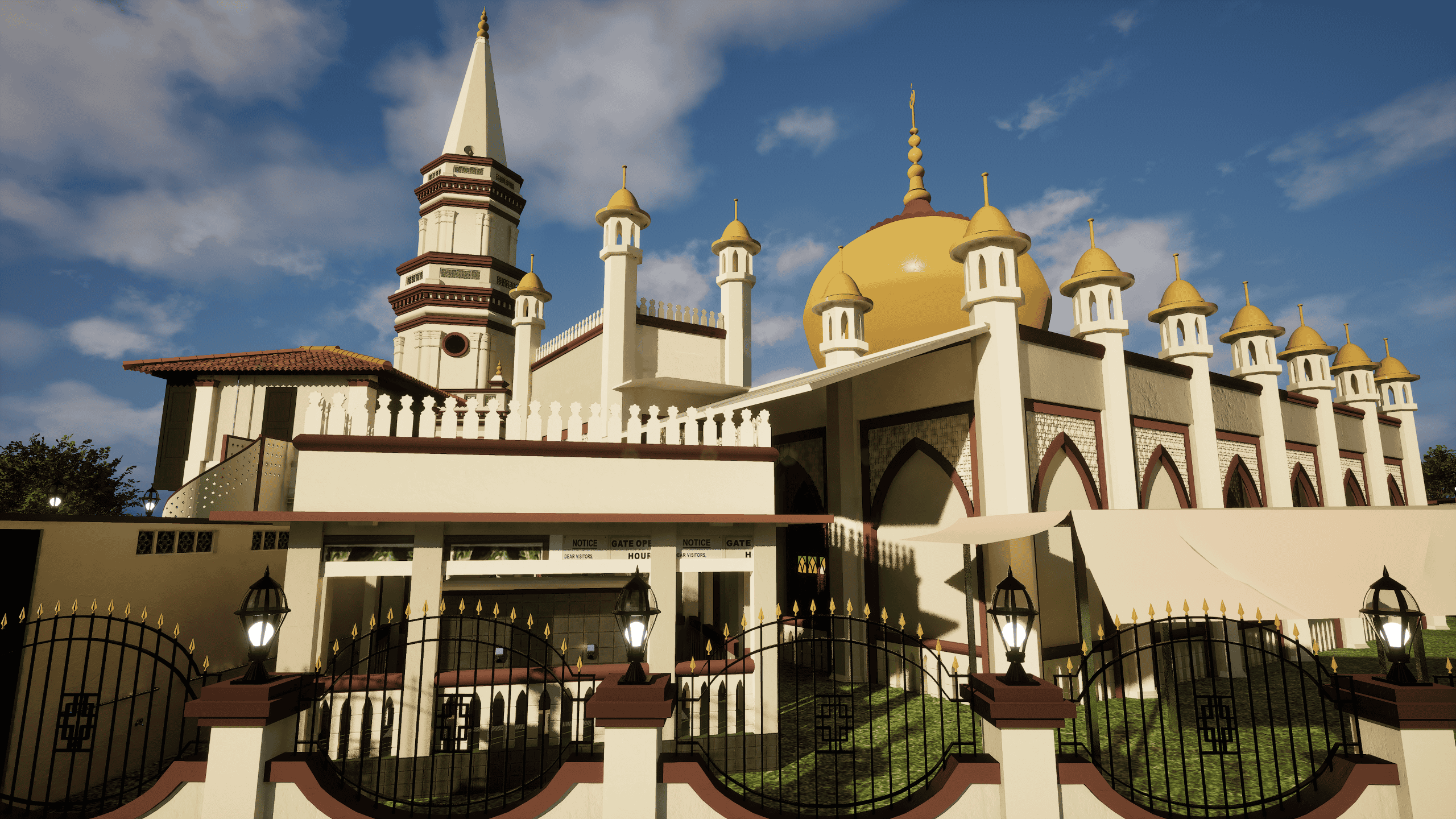
Masjid Hajjah Fatimah is one of Singapore’s oldest and most distinctive mosques, known for its unique blend of Islamic and European architectural influences. Located in Kampong Glam, it stands as a symbol of cultural heritage and historical significance within the Muslim community.

This Digital Twin project recreates the mosque in a detailed virtual environment, allowing users to explore its architecture and appreciate its unique design in an immersive and accessible way.

What We Did

  • 3D Architectural Modeling: Recreated the mosque’s structure with accurate proportions and detailing
  • Material & Texture Development: Developed realistic surfaces to reflect its historical and architectural character
  • Lighting & Environment: Applied natural lighting to enhance depth and highlight key design elements
  • Optimization: Ensured smooth performance for real-time interaction across platforms

Outcome

The Digital Twin of Masjid Hajjah Fatimah transforms a historically significant landmark into an interactive digital experience. It allows users to explore the mosque remotely, improving accessibility while preserving its architectural and cultural identity.

With optimized performance and scalable design, the model can be used for virtual tours, educational purposes, and immersive AR/VR applications. This project demonstrates how heritage spaces can be preserved and experienced through modern digital technology.

burj al arab

burj al arab

Digital Twin

Burj al Arab

Burj Al Arab is one of the most iconic luxury hotels in the world, located in Dubai and renowned for its distinctive sail-shaped architecture. It stands as a symbol of modern engineering, innovation, and architectural excellence.

This Digital Twin project recreates the Burj Al Arab in a detailed virtual environment, allowing users to explore its unique structure and appreciate its design from an immersive digital perspective.

What We Did

  • 3D Architectural Modeling: Recreated the sail-shaped structure with accurate proportions and structural detailing
  • Material & Texture Development: Captured reflective surfaces and exterior materials to match the building’s identity
  • Lighting & Environment: Designed realistic lighting to enhance form, depth, and visual impact
  • Optimization: Ensured smooth real-time performance across platforms

Outcome

The Digital Twin of Burj Al Arab transforms an iconic architectural landmark into an interactive digital experience. Users can explore the structure virtually, gaining a deeper understanding of its design and scale without physical constraints.

With optimized performance and high visual fidelity, the model is suitable for web-based platforms, virtual tours, and immersive AR/VR applications. This project demonstrates how complex architectural designs can be effectively translated into scalable and engaging digital environments.

H Building

H Building

Digital Twin

H building

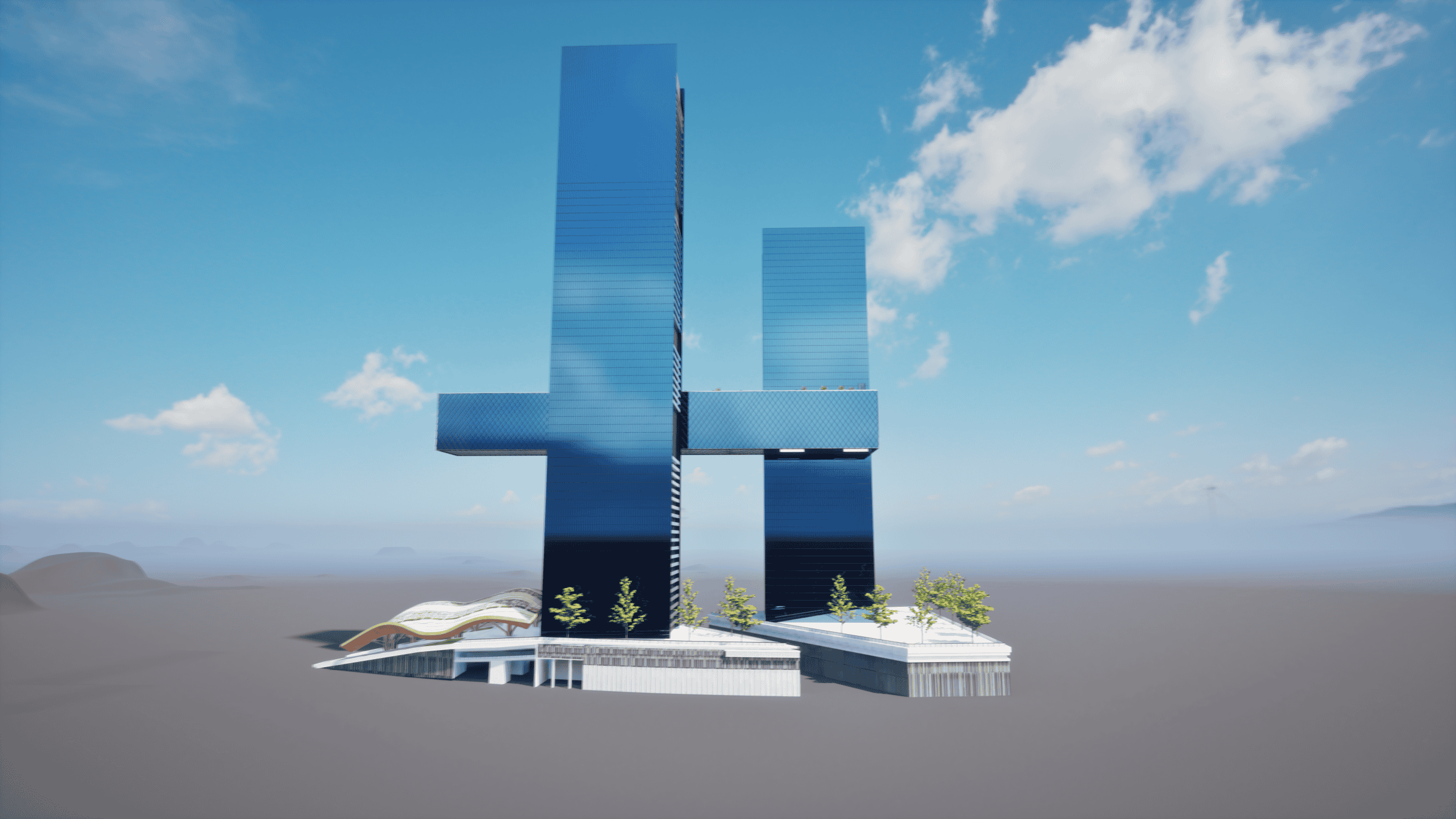
H buildings are a defining part of Singapore’s urban landscape, representing modern public housing and community living. Designed for functionality and efficiency, these residential structures play a key role in shaping everyday life across the city.

This Digital Twin project recreates an HDB building in a detailed virtual environment, allowing users to explore its structure, layout, and architectural features in an interactive and accessible way.

What We Did

  • 3D Architectural Modeling: Recreated the building structure with accurate proportions and layout
  • Material & Texture Development: Developed realistic surfaces to reflect common construction materials
  • Lighting & Environment: Applied natural lighting to simulate real-world conditions and enhance depth
  • Optimization: Ensured smooth performance for real-time interaction across platforms

Outcome

The Digital Twin of the H building provides an immersive and practical representation of residential architecture in Singapore. It allows users to visualize and explore the building remotely, making it useful for education, urban planning, and digital presentations.

With optimized performance and scalable design, the model can be adapted for web-based platforms, virtual tours, and AR/VR applications. This project demonstrates how everyday structures can be transformed into interactive digital experiences that support both communication and innovation.

Museum of future

Museum of future

Digital Twin

Museum of the Future

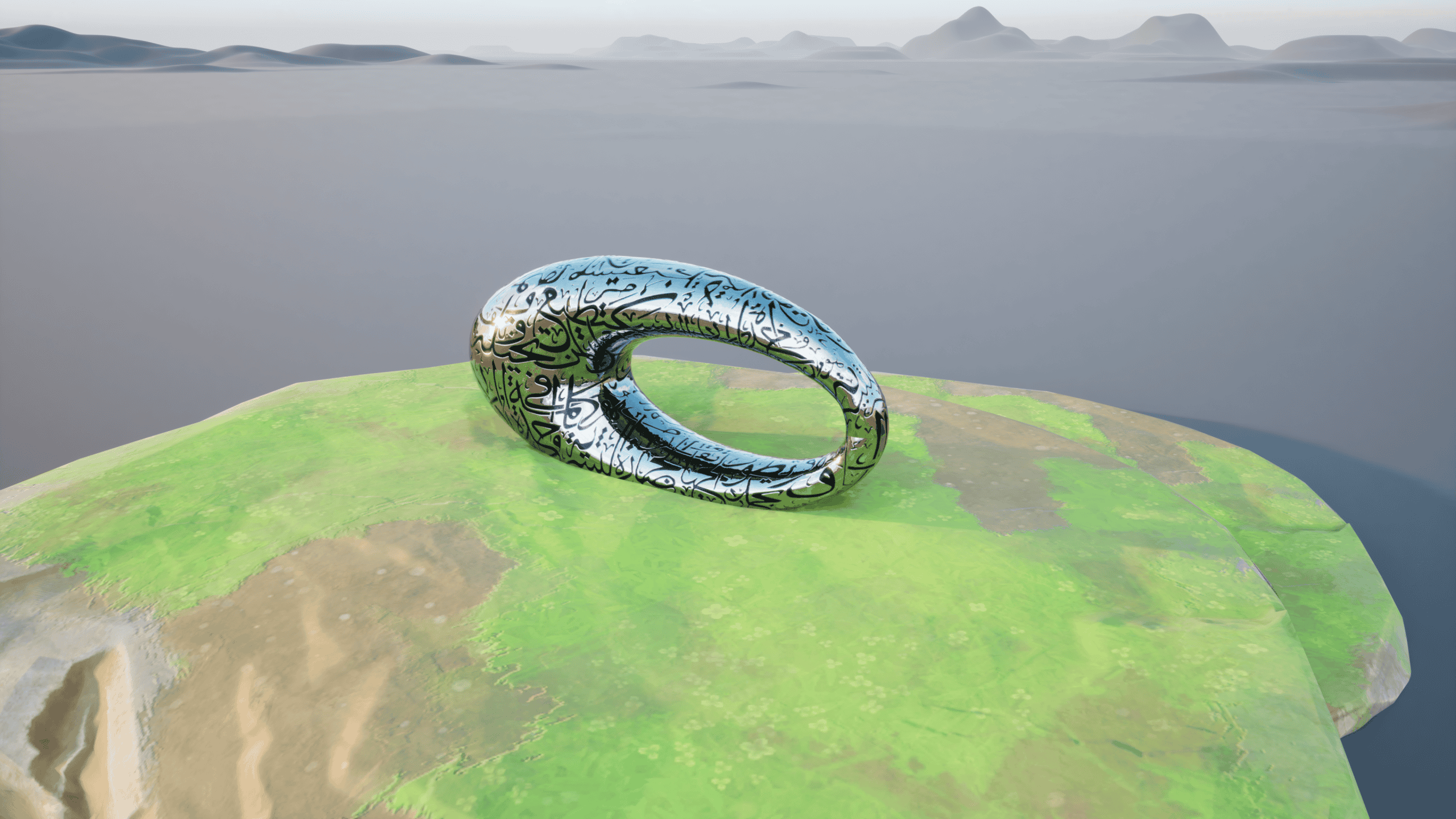
The Museum of the Future in Dubai is a world-renowned architectural landmark that represents innovation, technology, and forward-thinking design. Known for its unique torus-shaped structure and futuristic façade, it stands as a symbol of human imagination and progress.

This Digital Twin project recreates the museum in a detailed virtual environment, allowing users to explore its iconic form and experience its design from an immersive digital perspective.

What We Did

  • 3D Architectural Modeling: Recreated the complex curved structure with accurate proportions and detailing
  • Material & Texture Development: Captured the reflective metallic surface and distinctive façade patterns
  • Lighting & Environment: Applied realistic lighting to enhance depth and highlight architectural features
  • Optimization: Ensured smooth performance for real-time interaction across platforms

Outcome

The Digital Twin of the Museum of the Future transforms a complex architectural masterpiece into an accessible digital experience. Users can explore the structure virtually, gaining a deeper understanding of its design and scale without physical limitations.

The project also serves as a scalable digital asset for virtual tours, presentations, and immersive applications. With optimized performance and high visual fidelity, it is suitable for web-based platforms as well as future AR and VR experiences, extending its reach to a global audience.

Assets Optimization & integration

Assets Optimization & integration

UI/UX

Asset Optimization & Integration

Asset optimization and integration ensure that all game assets perform efficiently within a real-time environment without compromising visual quality. This process focuses on preparing assets for smooth performance while ensuring they work seamlessly within the game engine.

It is a crucial step in bridging creative design and technical implementation, allowing assets to function reliably across different platforms and devices.

What We Did

  • Polygon Optimization: Reduced geometry complexity while maintaining visual fidelity
  • Texture Optimization: Adjusted texture sizes and formats for efficient memory usage
  • LOD Setup (Level of Detail): Created multiple detail levels to improve performance at different distances
  • Engine Integration: Imported and configured assets within Unity or Unreal Engine
  • Material & Lighting Setup: Ensured correct rendering, shading, and consistency within the scene

Outcome

The final assets are optimized for real-time performance, ensuring smooth gameplay and faster load times across platforms. By balancing visual quality with technical efficiency, the assets integrate seamlessly into the game environment without causing performance issues.

This results in a stable, scalable, and production-ready solution that enhances user experience while supporting deployment across mobile, PC, and immersive platforms such as AR and VR.

Material & Texture Development

Material & Texture Development

03_Family Justice Courts

Material & Texture Development

Material and texture development defines the surface quality and visual realism of digital assets. It plays a critical role in how objects interact with light, influencing depth, detail, and overall visual appeal.

This process focuses on creating high-quality materials and textures that align with the project’s art style, whether realistic or stylized, while ensuring consistency across all assets.

What We Did

  • Material Creation: Developed physically accurate or stylized materials to match the project’s visual direction
  • Texture Mapping: Applied detailed textures to enhance surface quality and realism
  • PBR Workflow: Implemented maps such as base color, roughness, normal, and metallic for realistic rendering
  • Surface Detailing: Added wear, imperfections, and fine details to improve authenticity
  • Optimization: Ensured textures are efficient and suitable for real-time performance

Outcome

The final materials and textures significantly enhance the visual quality of assets, making them more realistic and immersive. By accurately responding to lighting and environmental conditions, they contribute to a more believable and engaging experience.

With optimized texture sizes and efficient workflows, the assets maintain high performance while delivering strong visual impact. These materials are scalable and adaptable across different platforms, including games, simulations, and AR/VR applications.

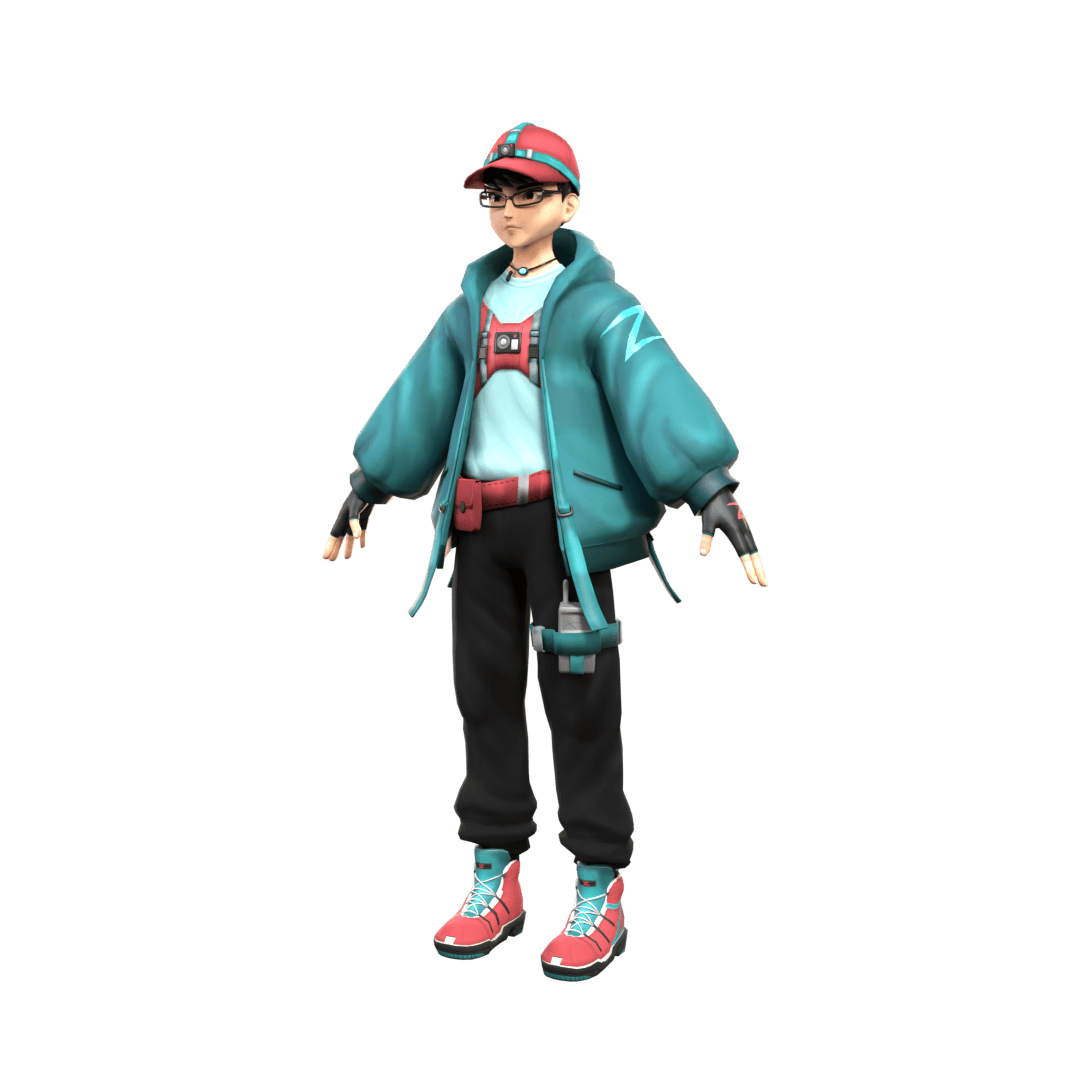
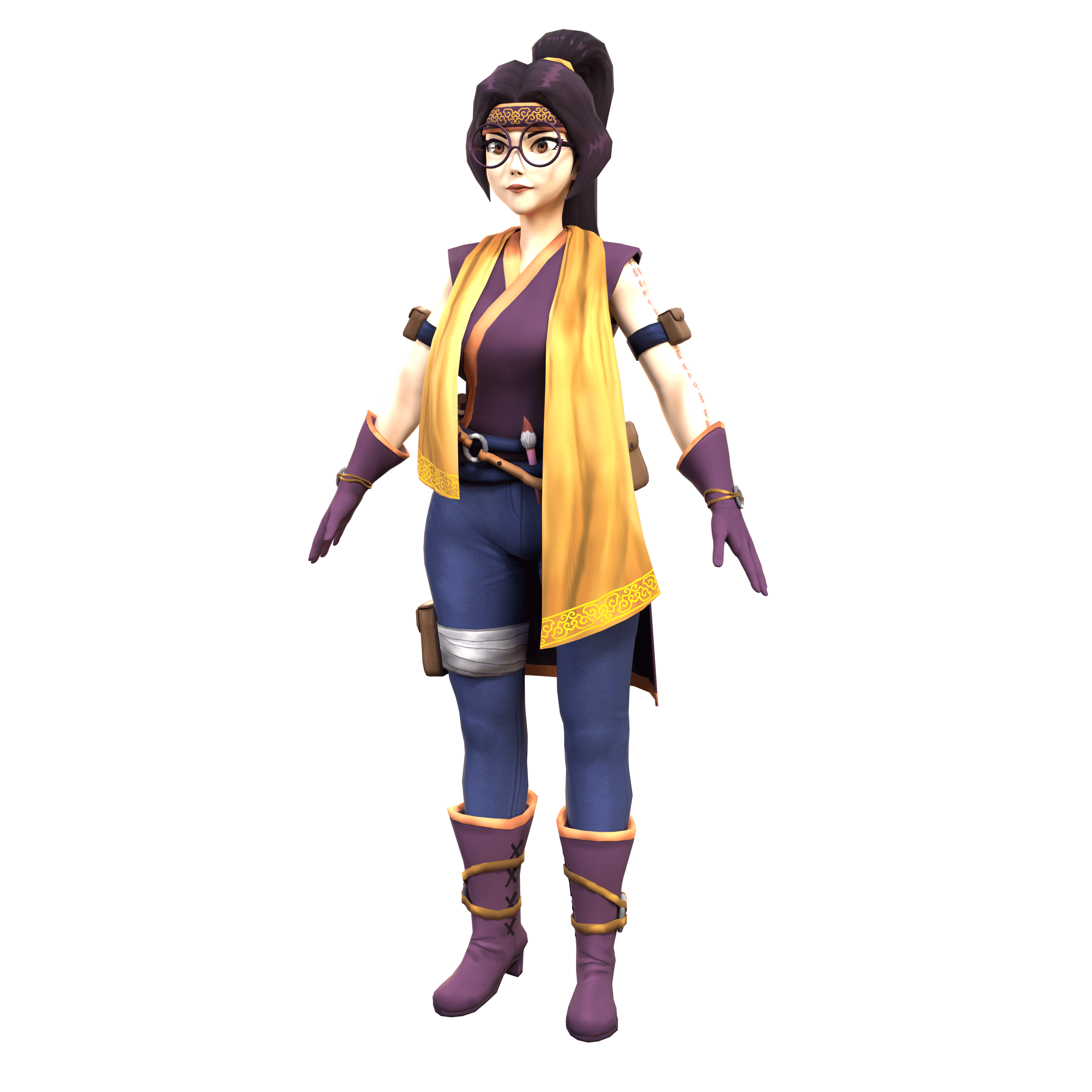
Character & Prop Assets

Character & Prop Assets

Character & Prop Assets

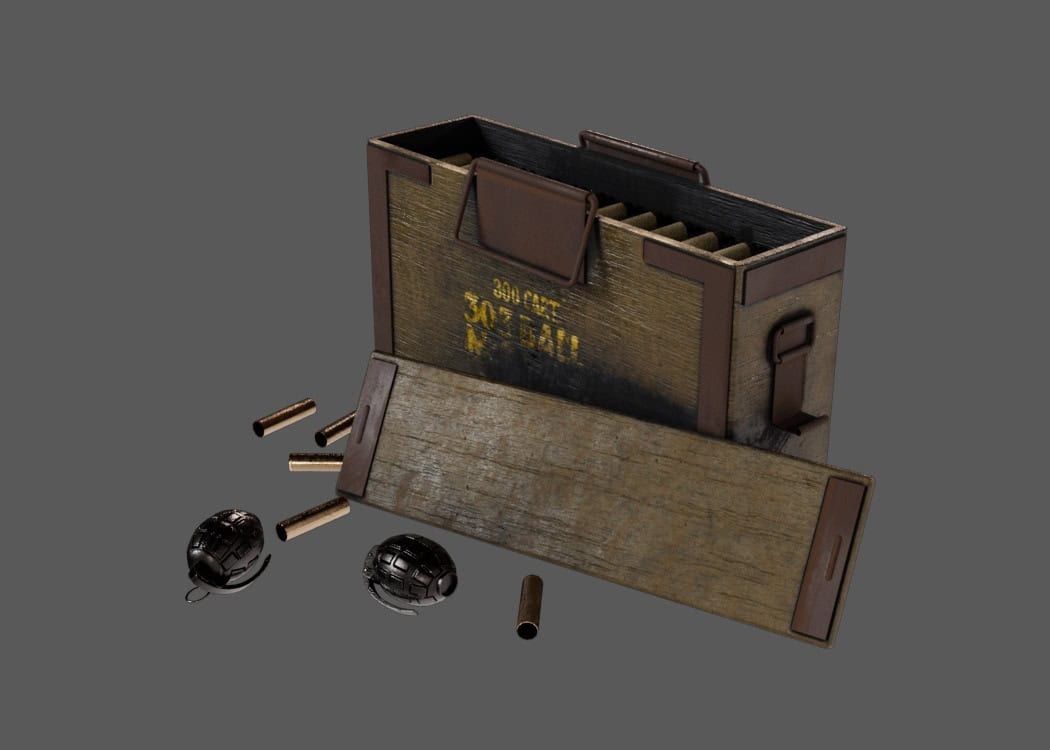
Character and prop assets bring life, interaction, and personality into a digital experience. Characters define identity and storytelling, while props enhance gameplay by adding functional and interactive elements within the environment.

This project focuses on creating detailed and optimized assets that align with the overall art style, ensuring both visual consistency and real-time performance.

What We Did

  • Character Modeling: Designed and built characters with accurate proportions and stylized or realistic detailing
  • Prop Creation: Developed interactive objects such as tools, furniture, and environment elements
  • Material & Texture Development: Applied high-quality textures to enhance visual depth and realism
  • Rigging & Preparation: Prepared assets for animation and in-game interaction where required
  • Optimization: Ensured all assets are lightweight and performance-ready for real-time use

Outcome

The final assets enhance the overall experience by adding depth, interaction, and visual identity to the project. Characters help drive storytelling and engagement, while props support gameplay and environment interaction.

With optimized design and scalable structure, these assets integrate seamlessly into game engines and can be used across multiple platforms, including games, simulations, and AR/VR applications.

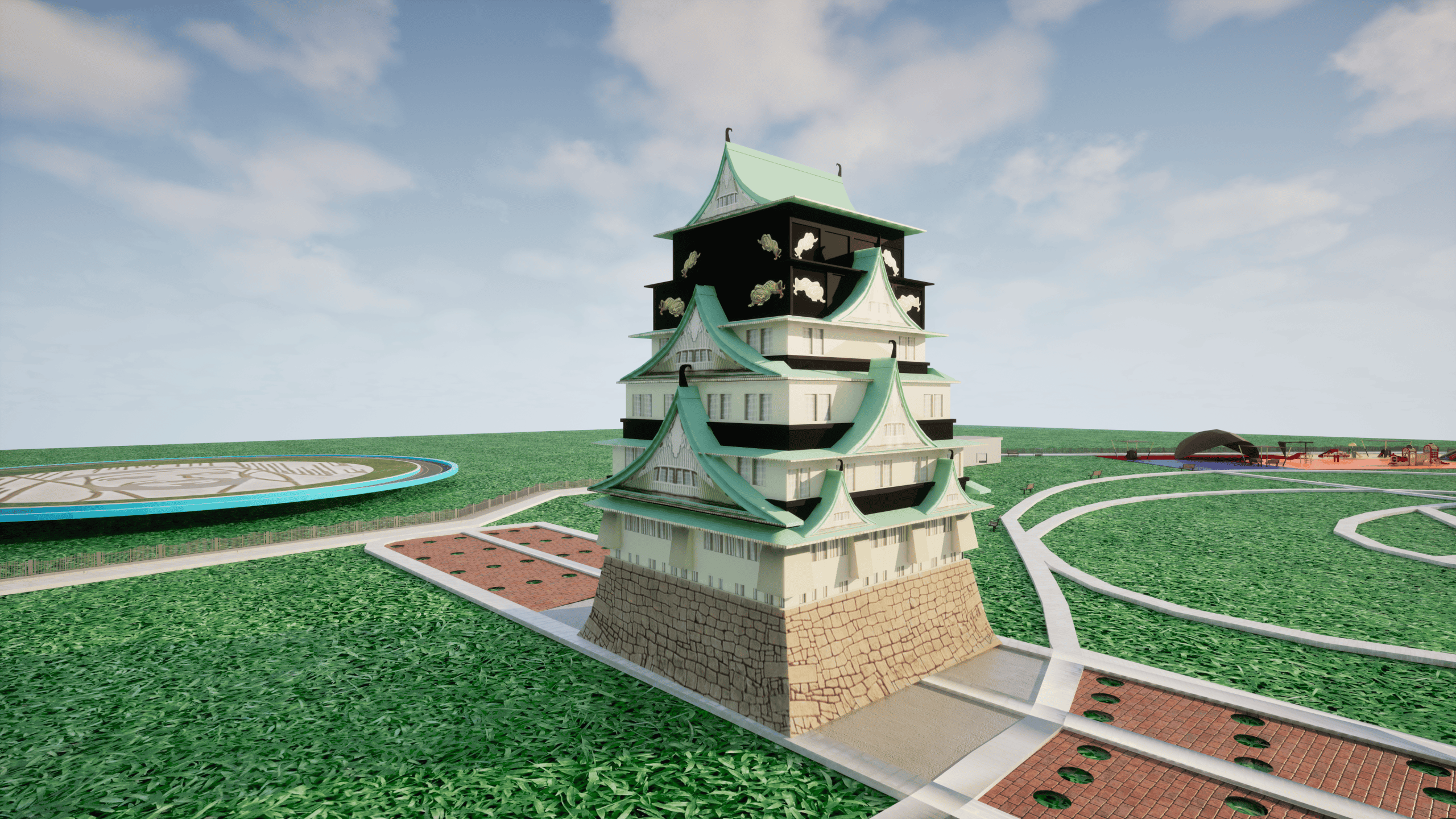
Game Environment

Game Environment

Shot_2

Game Environment

Game environments form the foundation of immersive digital experiences, shaping how players explore and interact with the game world. From realistic architectural spaces to stylized fantasy landscapes, environments define the atmosphere, mood, and overall visual identity of a project.

This project focuses on creating a detailed and optimized game environment that balances visual quality with real-time performance, ensuring a smooth and engaging user experience.

What We Did

  • 3D Environment Modeling: Designed and built detailed landscapes, structures, and environmental elements
  • Material & Texture Development: Created realistic or stylized surfaces to enhance visual appeal
  • Lighting & Atmosphere: Implemented lighting to establish mood, depth, and environmental storytelling
  • Level Composition: Structured the environment to support navigation and user interaction
  • Optimization: Ensured assets are performance-ready for real-time rendering across platforms

Outcome

The final environment delivers a visually immersive and interactive digital space that enhances user engagement and overall experience. By combining detailed design with optimized performance, the environment runs smoothly across devices while maintaining high visual quality.

It can be used across multiple applications, including games, simulations, and AR/VR experiences, making it a flexible and scalable asset. The result is a well-balanced environment that supports both creative storytelling and technical efficiency.

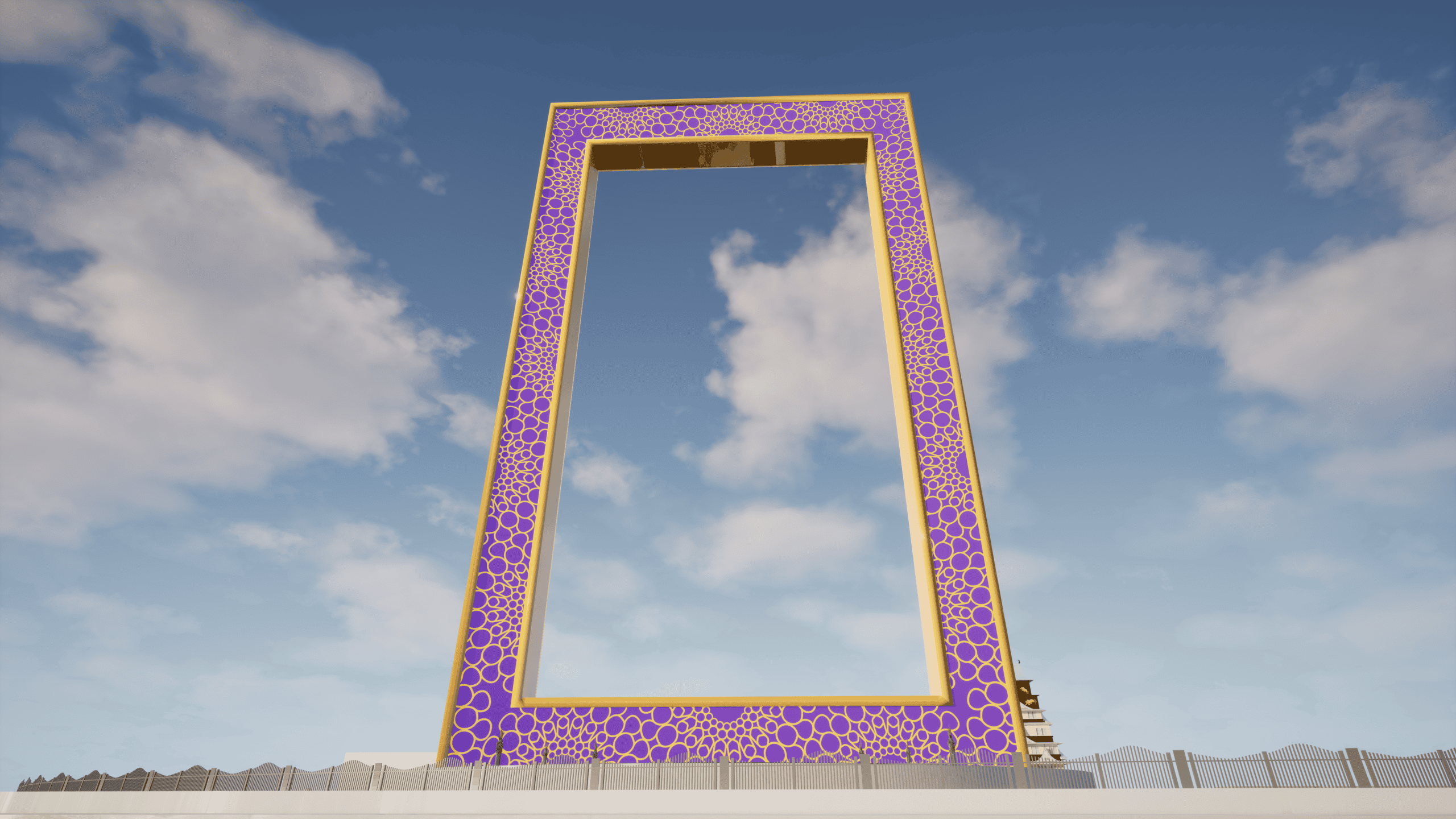
Dubai Frame

Dubai Frame

Digital Twin

Dubai Frame

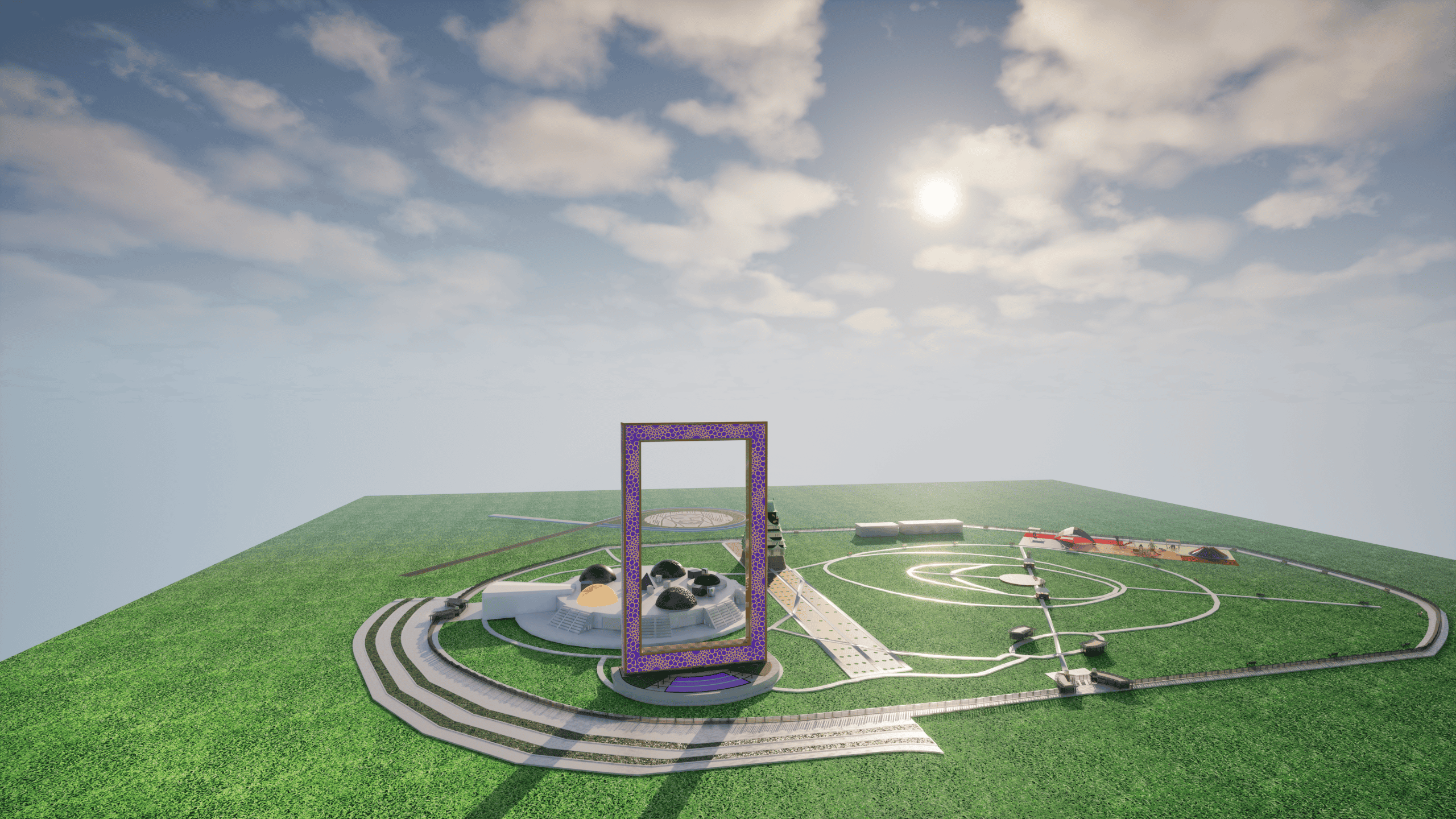
Dubai Frame is one of the city’s most iconic architectural landmarks, symbolizing the connection between old and new Dubai. Standing as a massive rectangular structure, it frames panoramic views of both the historic districts and the modern skyline, representing the city’s transformation over time.

This Digital Twin project recreates the Dubai Frame in a detailed virtual environment, allowing users to explore its structure and experience its scale and design from a new perspective.

What We Did

  • 3D Architectural Modeling: Recreated the full structure with accurate proportions and structural details
  • Material & Texture Development: Captured the distinctive golden façade and reflective surfaces
  • Lighting & Environment: Designed realistic lighting to enhance depth and highlight the landmark’s form
  • Optimization: Ensured smooth performance for real-time interaction across platforms

Outcome

The Digital Twin of Dubai Frame transforms a modern architectural icon into an immersive digital experience. It allows users to explore the structure virtually, understand its scale, and appreciate its design without being physically present.

The project also serves as a scalable digital asset for virtual tours, presentations, and interactive applications. With optimized performance and high visual accuracy, it is suitable for web-based experiences as well as future AR and VR integrations, extending accessibility to a global audience.

The Cenotaph

The Cenotaph

5

The Cenotaph

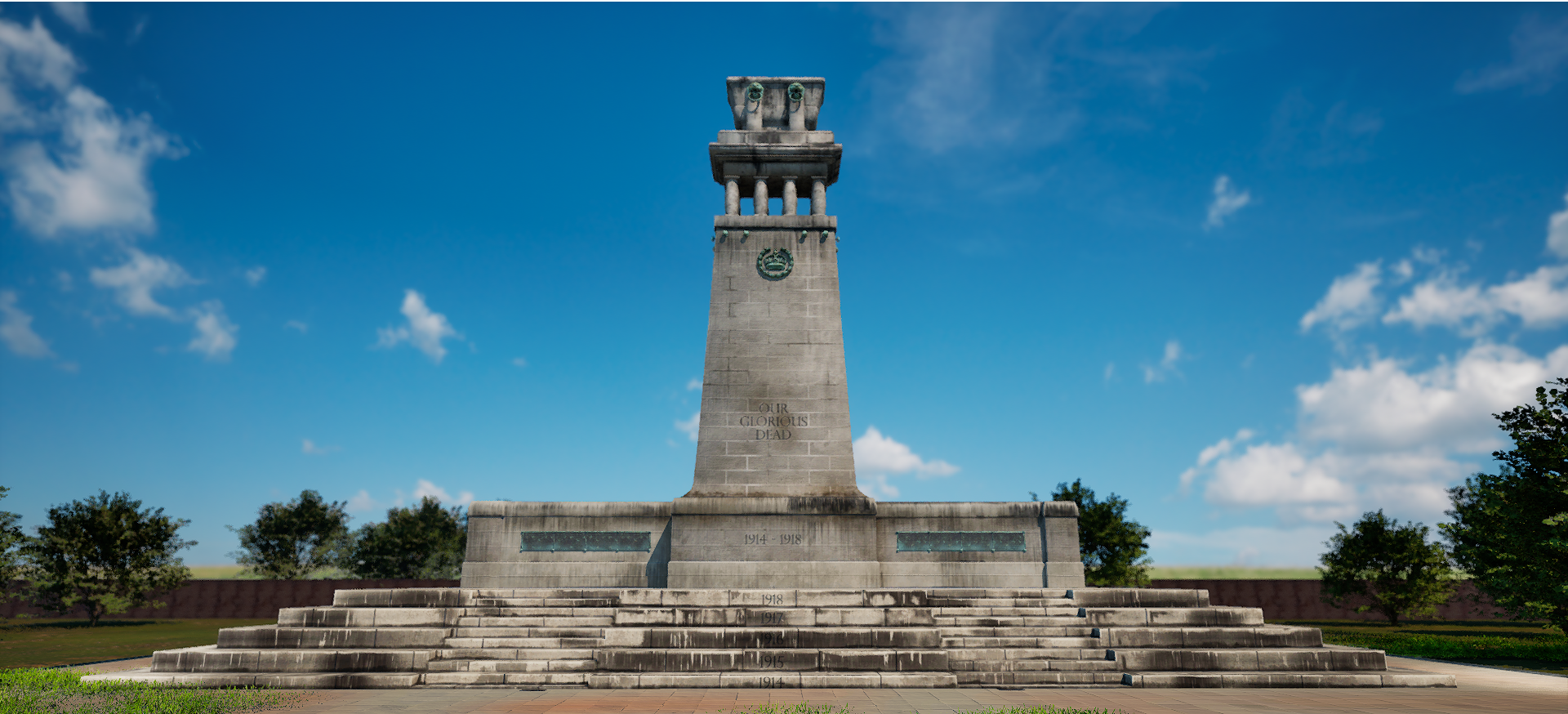
The Cenotaph is a historic war memorial located in Singapore, dedicated to honoring the sacrifices of soldiers who lost their lives during World War I and World War II. As a symbol of remembrance and respect, it holds deep historical and cultural significance within the nation.

This Digital Twin project recreates the monument in a detailed virtual environment, allowing users to experience and explore its structure in an immersive and accessible way.

What We Did

  • 3D Modeling: Accurately recreated the monument’s structure with precise proportions and detailing
  • Material & Texture Work: Developed realistic stone textures to reflect the original surface and aging
  • Lighting & Environment: Designed natural lighting to enhance depth and highlight the monument’s form
  • Optimization: Ensured smooth performance for real-time viewing across platforms

Outcome

The Digital Twin of The Cenotaph transforms a significant historical monument into an interactive digital experience. It enables users to explore and appreciate the memorial remotely, making it more accessible for education, virtual tours, and cultural awareness.

Beyond visualization, the project serves as a digital archive, preserving the monument’s structure and historical importance for future generations. With optimized performance and scalability, it can be adapted for web, AR, and VR platforms, extending its reach and impact.

Sultan Mosque

Sultan Mosque

SHOT 5

Sultan Mosque

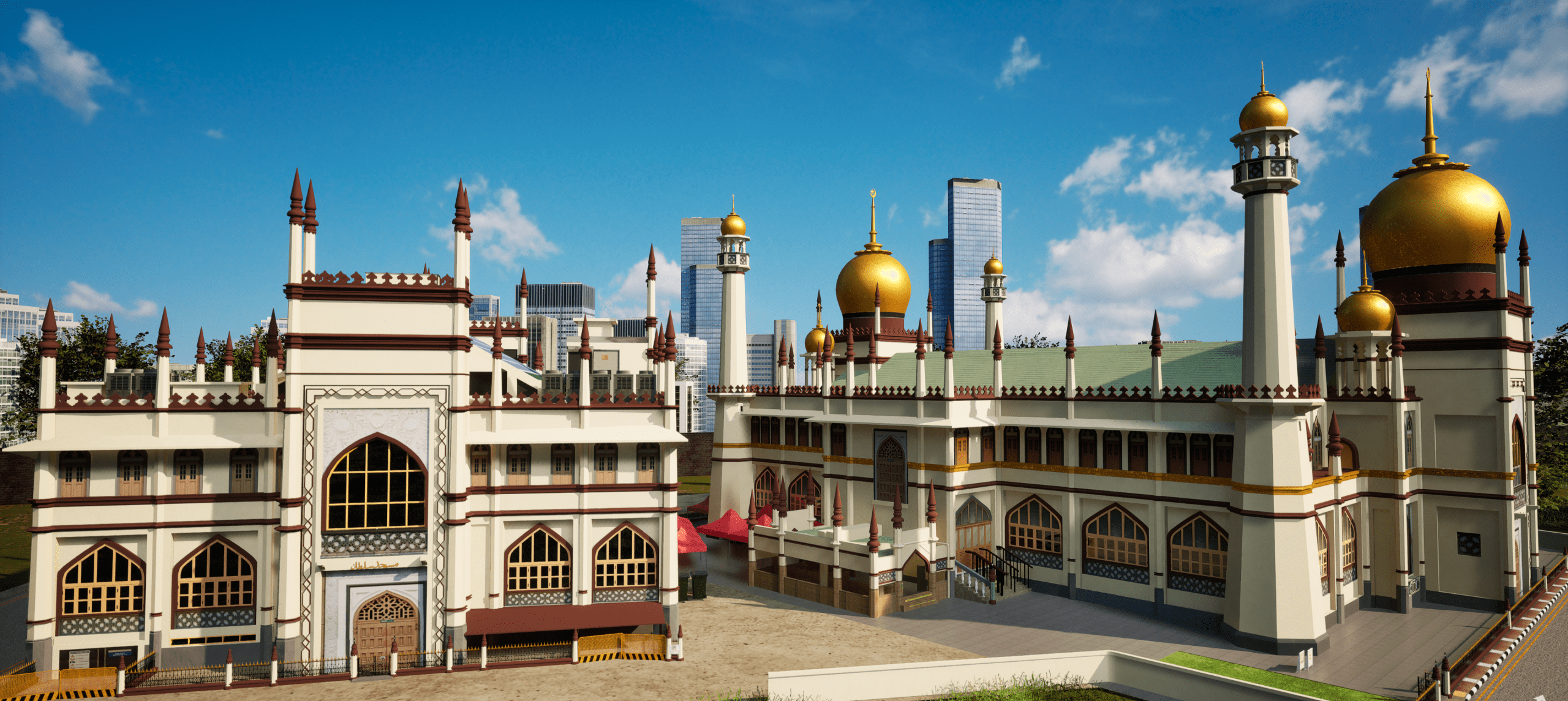
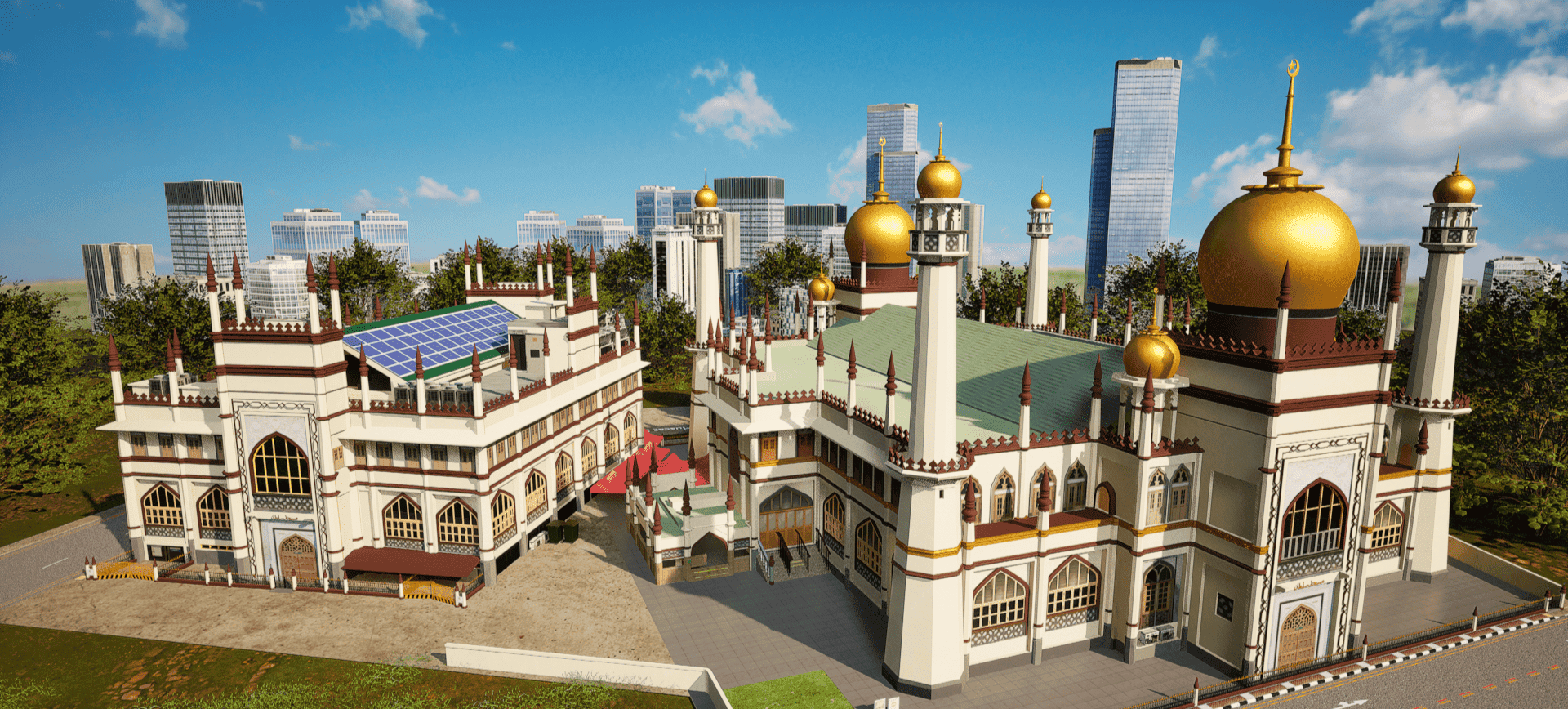
Sultan Mosque, also known as Masjid Sultan, is one of Singapore’s most iconic religious landmarks located in the historic Kampong Glam district. Renowned for its majestic golden domes and grand architectural design, the mosque stands as a symbol of the Muslim community’s heritage and cultural identity in Singapore.

Through this Digital Twin project, the mosque has been recreated in a detailed virtual environment, allowing users to explore its structure and appreciate its historical significance in an immersive and accessible way.

What We Did

  • Detailed 3D Modeling: Captured domes, minarets, and structural elements with high precision
  • Material & Surface Design: Recreated textures and finishes for realistic visual output
  • Lighting Setup: Simulated natural lighting to highlight architectural features
  • Performance Optimization: Balanced visual quality with smooth real-time performance


Outcome

The Digital Twin of Sultan Mosque delivers an immersive representation of one of Singapore’s most iconic landmarks, enabling users to experience its architectural beauty in a virtual environment. It enhances accessibility by allowing global audiences to explore the space remotely while gaining a deeper appreciation of its cultural and historical significance.

Beyond visualization, the project supports heritage preservation by digitally documenting the mosque’s structure with high accuracy. Its optimized design ensures smooth performance across platforms, making it suitable for web-based experiences, virtual tours, and future AR/VR integrations.

Indian Heritage Centre

Indian Heritage Centre

Indian Heritage Building

Digital Twins are increasingly used to replicate buildings and environments in a virtual space. From heritage sites to modern infrastructure, a digital model allows users to explore, analyze, and manage spaces remotely.

These digital environments can simulate real-world conditions such as lighting, structural performance, and user interaction, providing valuable insights for maintenance, renovation, and planning.

This approach is especially useful for cultural preservation, allowing important landmarks to be documented and experienced digitally while protecting the physical structure.

What We Did

  • 3D Architectural Modeling: Built an accurate representation of the structure with precise proportions and design elements
  • Material & Texture Development: Applied realistic materials to reflect the building’s distinctive façade
  • Lighting & Environment: Designed natural lighting to enhance depth, mood, and realism
  • Optimization: Ensured smooth performance for real-time viewing across platforms

Outcome

This Digital Twin transforms the Indian Heritage Centre into an interactive and accessible digital experience, allowing users to explore the architecture without physical limitations. The project enhances engagement by providing a realistic and immersive representation of the building, making it valuable for education, virtual tours, and cultural storytelling.

It also serves as a long-term digital archive, preserving the structure’s architectural identity and cultural significance. By combining visual accuracy with optimized performance, the solution is scalable across web, AR, and VR platforms, ensuring it remains relevant for future digital applications.