Top ways to connect better with your graphic designer

One of the few struggles people face while building their brand is working with graphic designers. It can be quite intimidating in the beginning and may feel risky as you are giving full control to a stranger.

However, it is a very smart and practical decision to hire a professional graphic designer,  in the creative business world. Brainstorming with your graphic designer is an important initial step to convey your ideas in the best ways possible and also take in suggestions from the designer, as they have more recognition and experience in their field. Aim to work in harmony therefore get your desired result. 

This all may look tricky, but once you understand the right way to communicate with your graphic designer, your final product can deliver beyond your expectations. Here are some top tips on improving your collaboration skills with your graphic designer:

Understand and recognize what you want

Although designers are trained and experienced in creating conceptual arts and layouts for various types of brands, you should know what you expect to see. If you do not know what you want, how will they? Look around for visual inspirations you would like as a part of your project and share them with your graphic designer. With that, they will get a better perspective of what you would like to see and create visions that are closer to yours. With examples ready and a clear brief, you can save yourself time and prevent fixing up too many things in order to match your expectations and get the final project on time. No matter how professional or experienced the graphic designer is they cannot get too close to your expected vision of the final product without a good description of what you want to see.

Nevertheless, if you choose to skip this step, the graphic designer would still be able to create something out of their own creative thoughts but they will not be able to create anything that would completely satisfy you and give you something you did not envision. 

Agree on deadlines and be flexible 

We all know time plays a big role in many places if not all. We always need time to practice, improve and perfect our work. The same goes with graphic designers, the more time they spend on your project the more accurate they will be with their outcome and meet your goals. When working with a graphic designer you need to make sure you mutually agree on the deadline and the designer is comfortable with working on your project within the given time. Animation studio Singapore Depending on your project brief and how detailed it is, the time needed to complete the project can vary. Be patient with them and answer questions they ask. 

It is rare to see graphic designers perform perfectly in a short period, they tend to leave out details because they do not get to work on them. With less time given they will make a quick design just for the sake of it and try to meet the deadline. When working on a new project, involve a graphic designer as soon as possible so they get as much time they can get before the deadline to get the work done. Work done at the last moment never goes as planned.

 In case you still run out of time and need a graphic designer to work for you within less time, the rest of the mentioned tips can still help you get a good outcome. 

Be precise with your feedback 

When your graphic designer is done with a section or the whole of your project they come to you for feedback. They want to know whether or not you are happy with what they have made and if you need to make any changes. Now, there is nothing wrong with fixing and giving constructive criticism to graphic designers in order to perfect their work. However, it can get annoying if you do not specify your problems. For example, a common phrase used by clients is “looks good, but can you make it pop?”. Initially, people think they are giving a solution when they say it but it is not helpful to the designer at all. 

In this situation, it is best if you tell them exactly what you want to be fixed. Whether you need to add anything, move things around, or just change colors. Be precise about what you need. Communicate and tell them what is not working for you and build a better connection with them. This way they can also get a deeper understanding of what you want. 

Trust, trust, trust!

Trust is a major part of your relationship with your graphic designer. You want to have full faith in the designer that they will create something amazing. Still, be prepared to face obstacles and do not expect to see the best result in one try. Do not be scared of asking questions about your brand and if you are taking the right approach. Graphic designers tend to have a good knowledge of what is in the market these days and can help you somehow. With that, they can use their experience and professionalism to turn the idea into something spectacular. Trust them with their instincts they have been in this field for a good long time and have a better knowledge of what is on the market and what is not. 

Final thoughts 

Going through all these steps may get overwhelming but working with a professional graphic designer and brainstorming with them can make your project turn out just the way you wanted or even better. This can help you build your brand even further and make it all worthwhile. Just remember the main thing that will guide them to the perfect result is your motivation and hard work in explaining to them what you need. Be wise about who you chose to work with, some are new to the market and some may not be a suitable match for you. Good luck!

Some More Cool Projects

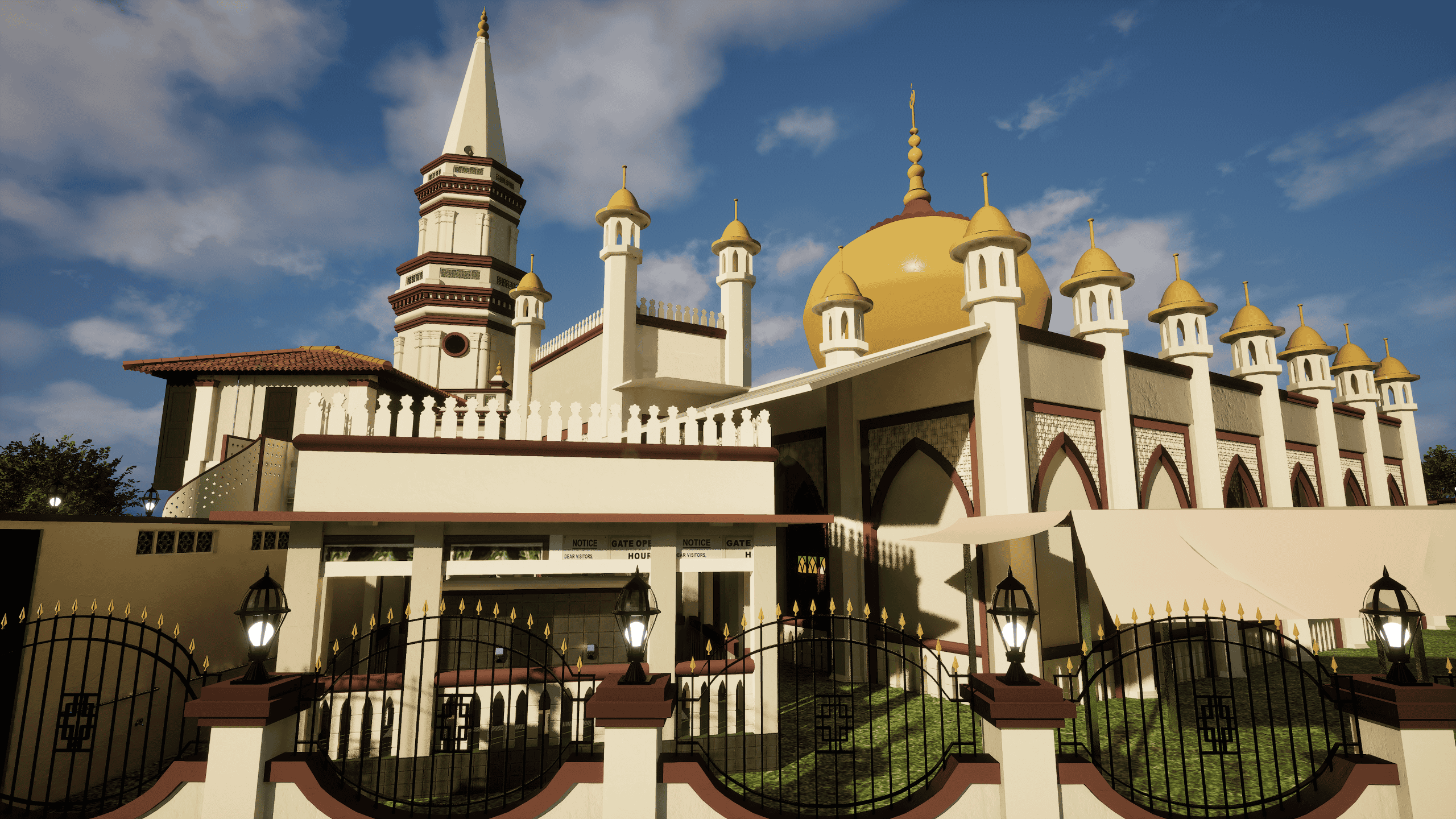
Masjid Hajjah Fatimah

Masjid Hajjah Fatimah

Game assets

Masjid Hajjah Fatimah

Masjid Hajjah Fatimah is one of Singapore’s oldest and most distinctive mosques, known for its unique blend of Islamic and European architectural influences. Located in Kampong Glam, it stands as a symbol of cultural heritage and historical significance within the Muslim community.

This Digital Twin project recreates the mosque in a detailed virtual environment, allowing users to explore its architecture and appreciate its unique design in an immersive and accessible way.

What We Did

  • 3D Architectural Modeling: Recreated the mosque’s structure with accurate proportions and detailing
  • Material & Texture Development: Developed realistic surfaces to reflect its historical and architectural character
  • Lighting & Environment: Applied natural lighting to enhance depth and highlight key design elements
  • Optimization: Ensured smooth performance for real-time interaction across platforms

Outcome

The Digital Twin of Masjid Hajjah Fatimah transforms a historically significant landmark into an interactive digital experience. It allows users to explore the mosque remotely, improving accessibility while preserving its architectural and cultural identity.

With optimized performance and scalable design, the model can be used for virtual tours, educational purposes, and immersive AR/VR applications. This project demonstrates how heritage spaces can be preserved and experienced through modern digital technology.

burj al arab

burj al arab

Digital Twin

Burj al Arab

Burj Al Arab is one of the most iconic luxury hotels in the world, located in Dubai and renowned for its distinctive sail-shaped architecture. It stands as a symbol of modern engineering, innovation, and architectural excellence.

This Digital Twin project recreates the Burj Al Arab in a detailed virtual environment, allowing users to explore its unique structure and appreciate its design from an immersive digital perspective.

What We Did

  • 3D Architectural Modeling: Recreated the sail-shaped structure with accurate proportions and structural detailing
  • Material & Texture Development: Captured reflective surfaces and exterior materials to match the building’s identity
  • Lighting & Environment: Designed realistic lighting to enhance form, depth, and visual impact
  • Optimization: Ensured smooth real-time performance across platforms

Outcome

The Digital Twin of Burj Al Arab transforms an iconic architectural landmark into an interactive digital experience. Users can explore the structure virtually, gaining a deeper understanding of its design and scale without physical constraints.

With optimized performance and high visual fidelity, the model is suitable for web-based platforms, virtual tours, and immersive AR/VR applications. This project demonstrates how complex architectural designs can be effectively translated into scalable and engaging digital environments.

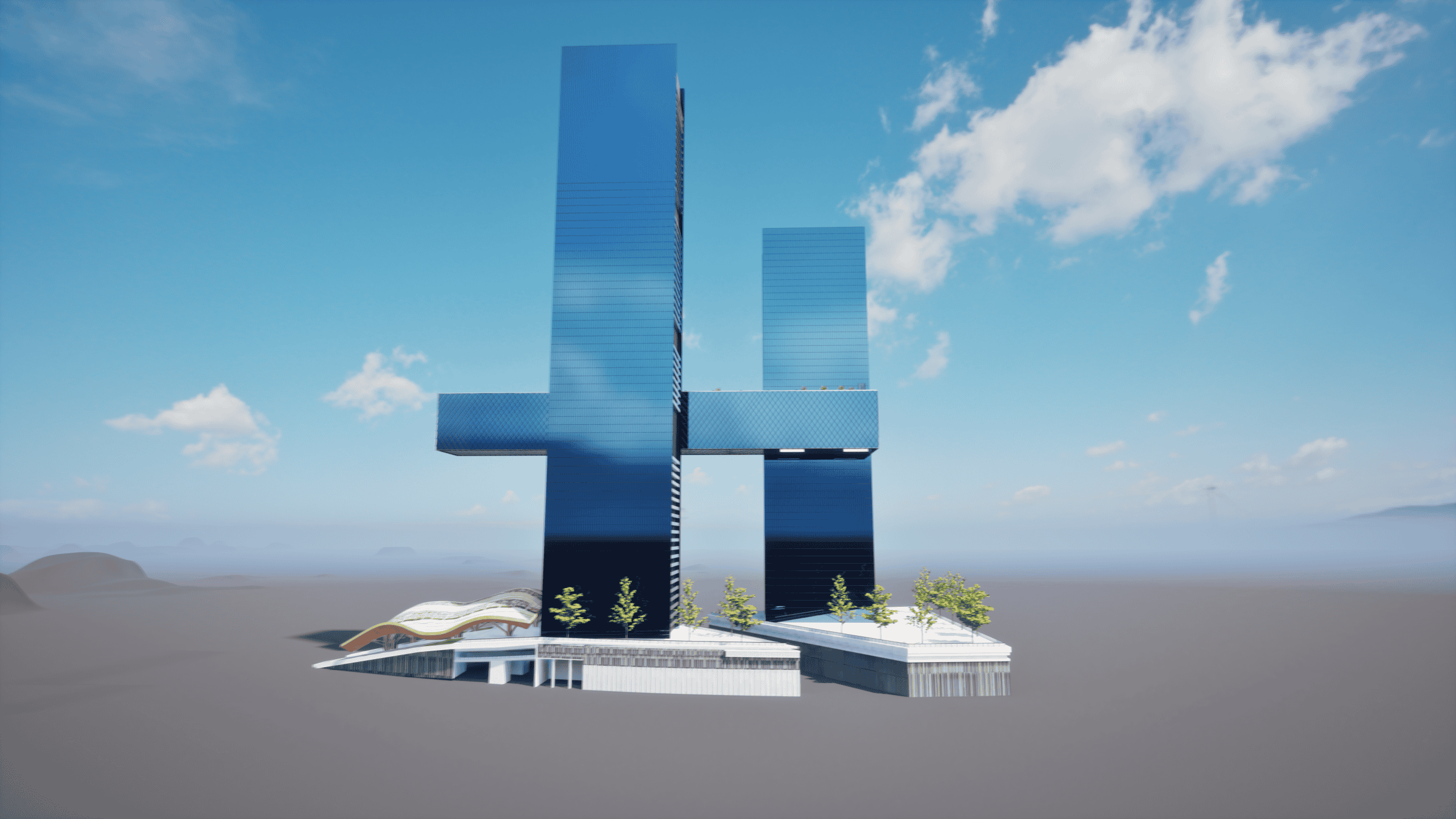
H Building

H Building

Digital Twin

H building

H buildings are a defining part of Singapore’s urban landscape, representing modern public housing and community living. Designed for functionality and efficiency, these residential structures play a key role in shaping everyday life across the city.

This Digital Twin project recreates an HDB building in a detailed virtual environment, allowing users to explore its structure, layout, and architectural features in an interactive and accessible way.

What We Did

  • 3D Architectural Modeling: Recreated the building structure with accurate proportions and layout
  • Material & Texture Development: Developed realistic surfaces to reflect common construction materials
  • Lighting & Environment: Applied natural lighting to simulate real-world conditions and enhance depth
  • Optimization: Ensured smooth performance for real-time interaction across platforms

Outcome

The Digital Twin of the H building provides an immersive and practical representation of residential architecture in Singapore. It allows users to visualize and explore the building remotely, making it useful for education, urban planning, and digital presentations.

With optimized performance and scalable design, the model can be adapted for web-based platforms, virtual tours, and AR/VR applications. This project demonstrates how everyday structures can be transformed into interactive digital experiences that support both communication and innovation.

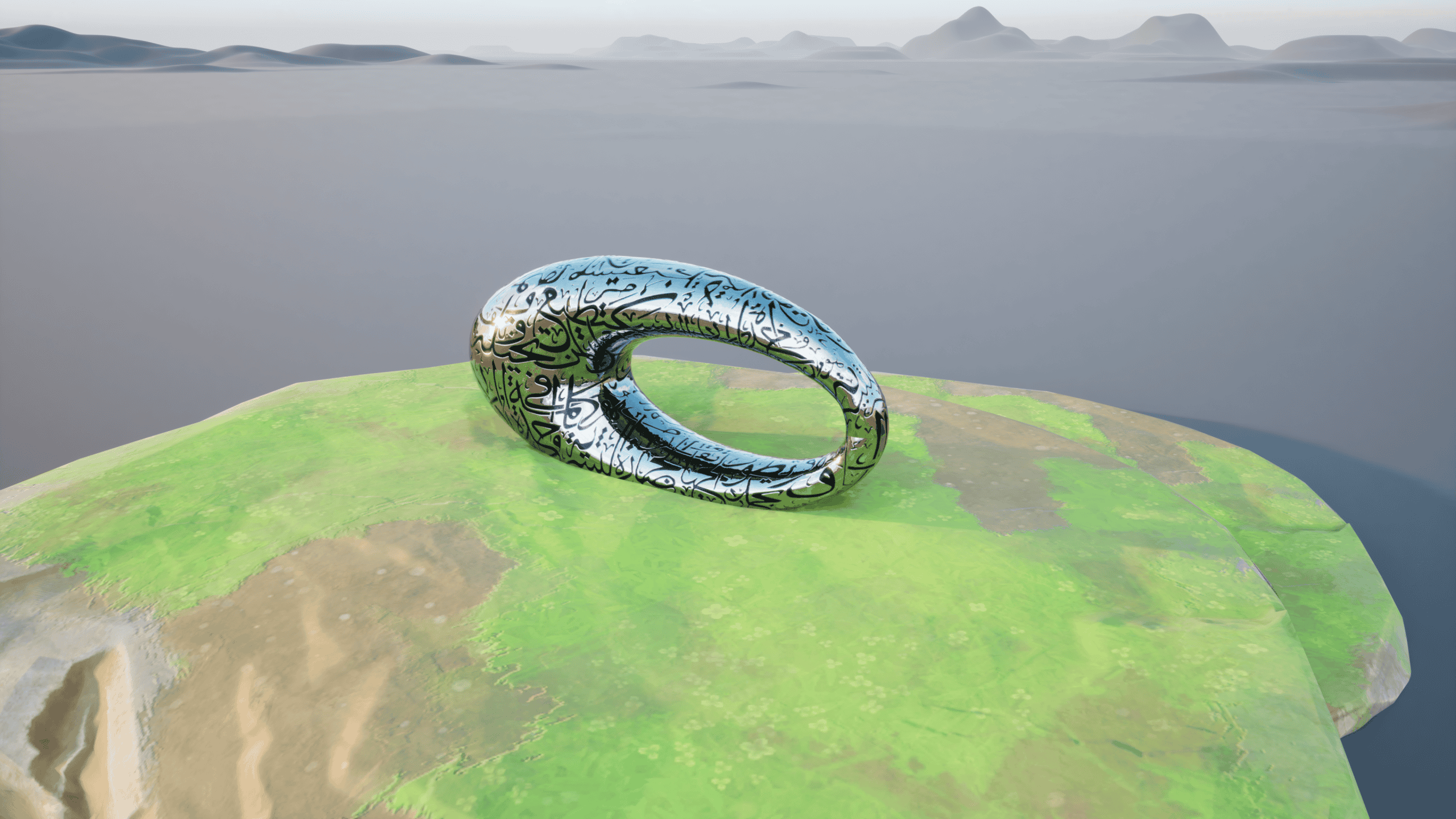
Museum of future

Museum of future

Digital Twin

Museum of the Future

The Museum of the Future in Dubai is a world-renowned architectural landmark that represents innovation, technology, and forward-thinking design. Known for its unique torus-shaped structure and futuristic façade, it stands as a symbol of human imagination and progress.

This Digital Twin project recreates the museum in a detailed virtual environment, allowing users to explore its iconic form and experience its design from an immersive digital perspective.

What We Did

  • 3D Architectural Modeling: Recreated the complex curved structure with accurate proportions and detailing
  • Material & Texture Development: Captured the reflective metallic surface and distinctive façade patterns
  • Lighting & Environment: Applied realistic lighting to enhance depth and highlight architectural features
  • Optimization: Ensured smooth performance for real-time interaction across platforms

Outcome

The Digital Twin of the Museum of the Future transforms a complex architectural masterpiece into an accessible digital experience. Users can explore the structure virtually, gaining a deeper understanding of its design and scale without physical limitations.

The project also serves as a scalable digital asset for virtual tours, presentations, and immersive applications. With optimized performance and high visual fidelity, it is suitable for web-based platforms as well as future AR and VR experiences, extending its reach to a global audience.

Assets Optimization & integration

Assets Optimization & integration

UI/UX

Asset Optimization & Integration

Asset optimization and integration ensure that all game assets perform efficiently within a real-time environment without compromising visual quality. This process focuses on preparing assets for smooth performance while ensuring they work seamlessly within the game engine.

It is a crucial step in bridging creative design and technical implementation, allowing assets to function reliably across different platforms and devices.

What We Did

  • Polygon Optimization: Reduced geometry complexity while maintaining visual fidelity
  • Texture Optimization: Adjusted texture sizes and formats for efficient memory usage
  • LOD Setup (Level of Detail): Created multiple detail levels to improve performance at different distances
  • Engine Integration: Imported and configured assets within Unity or Unreal Engine
  • Material & Lighting Setup: Ensured correct rendering, shading, and consistency within the scene

Outcome

The final assets are optimized for real-time performance, ensuring smooth gameplay and faster load times across platforms. By balancing visual quality with technical efficiency, the assets integrate seamlessly into the game environment without causing performance issues.

This results in a stable, scalable, and production-ready solution that enhances user experience while supporting deployment across mobile, PC, and immersive platforms such as AR and VR.

Material & Texture Development

Material & Texture Development

03_Family Justice Courts

Material & Texture Development

Material and texture development defines the surface quality and visual realism of digital assets. It plays a critical role in how objects interact with light, influencing depth, detail, and overall visual appeal.

This process focuses on creating high-quality materials and textures that align with the project’s art style, whether realistic or stylized, while ensuring consistency across all assets.

What We Did

  • Material Creation: Developed physically accurate or stylized materials to match the project’s visual direction
  • Texture Mapping: Applied detailed textures to enhance surface quality and realism
  • PBR Workflow: Implemented maps such as base color, roughness, normal, and metallic for realistic rendering
  • Surface Detailing: Added wear, imperfections, and fine details to improve authenticity
  • Optimization: Ensured textures are efficient and suitable for real-time performance

Outcome

The final materials and textures significantly enhance the visual quality of assets, making them more realistic and immersive. By accurately responding to lighting and environmental conditions, they contribute to a more believable and engaging experience.

With optimized texture sizes and efficient workflows, the assets maintain high performance while delivering strong visual impact. These materials are scalable and adaptable across different platforms, including games, simulations, and AR/VR applications.

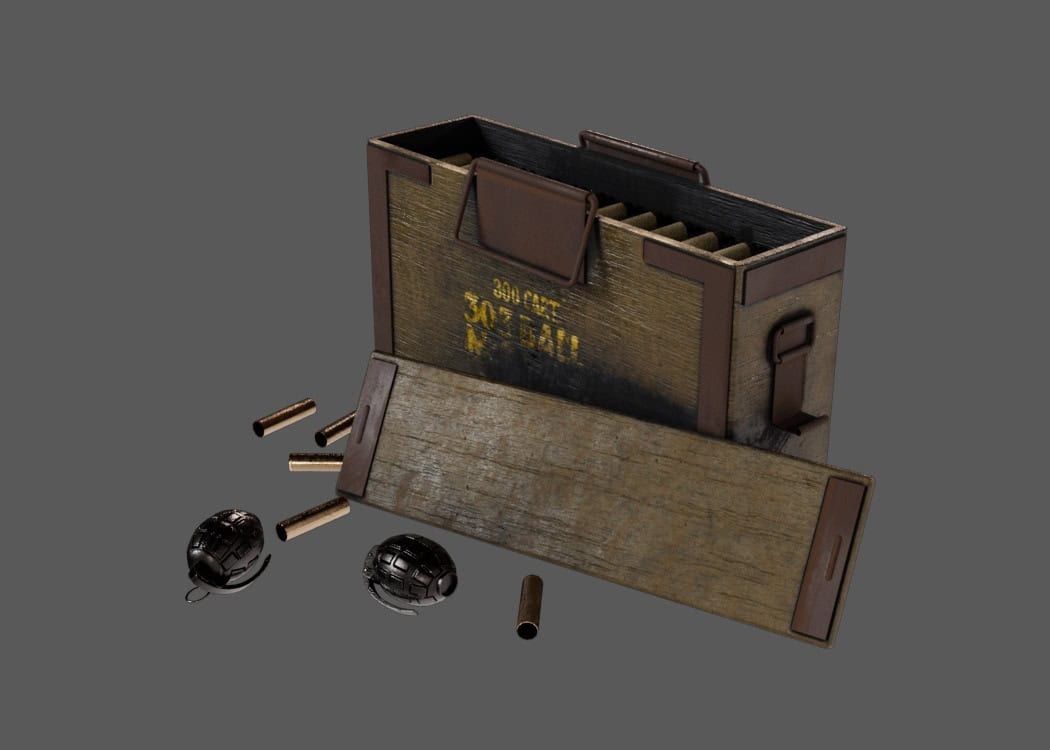
Character & Prop Assets

Character & Prop Assets

Character & Prop Assets

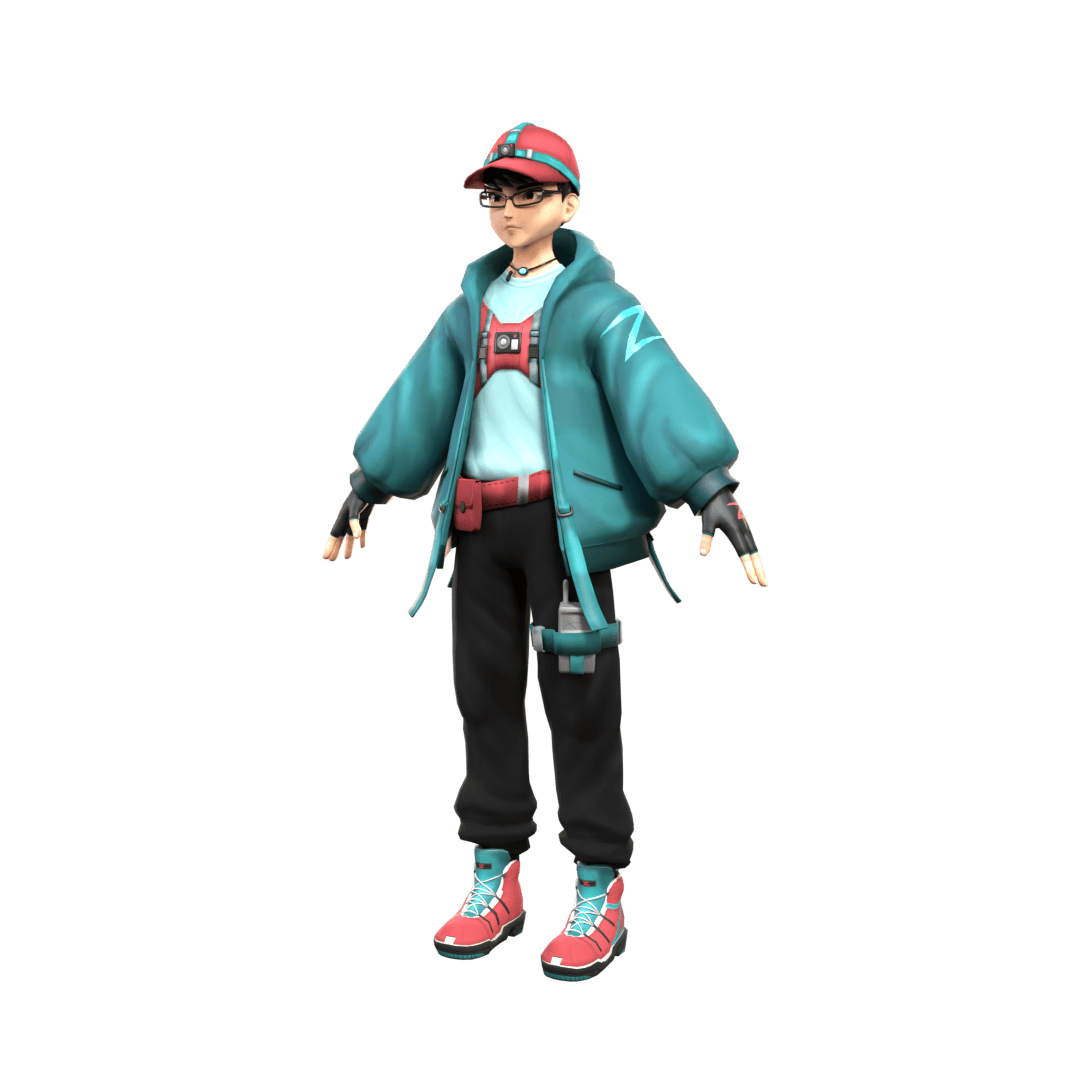
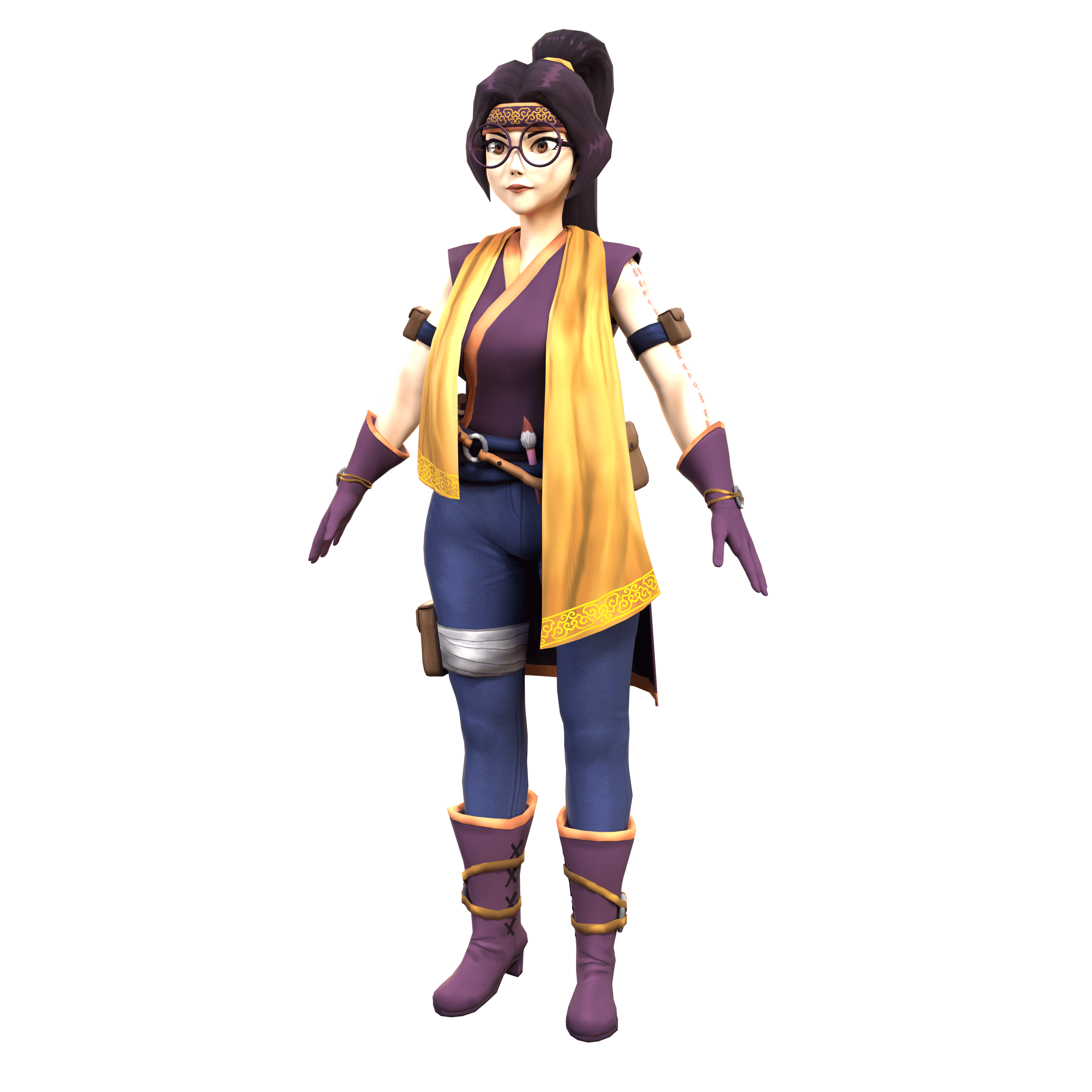
Character and prop assets bring life, interaction, and personality into a digital experience. Characters define identity and storytelling, while props enhance gameplay by adding functional and interactive elements within the environment.

This project focuses on creating detailed and optimized assets that align with the overall art style, ensuring both visual consistency and real-time performance.

What We Did

  • Character Modeling: Designed and built characters with accurate proportions and stylized or realistic detailing
  • Prop Creation: Developed interactive objects such as tools, furniture, and environment elements
  • Material & Texture Development: Applied high-quality textures to enhance visual depth and realism
  • Rigging & Preparation: Prepared assets for animation and in-game interaction where required
  • Optimization: Ensured all assets are lightweight and performance-ready for real-time use

Outcome

The final assets enhance the overall experience by adding depth, interaction, and visual identity to the project. Characters help drive storytelling and engagement, while props support gameplay and environment interaction.

With optimized design and scalable structure, these assets integrate seamlessly into game engines and can be used across multiple platforms, including games, simulations, and AR/VR applications.

Game Environment

Game Environment

Shot_2

Game Environment

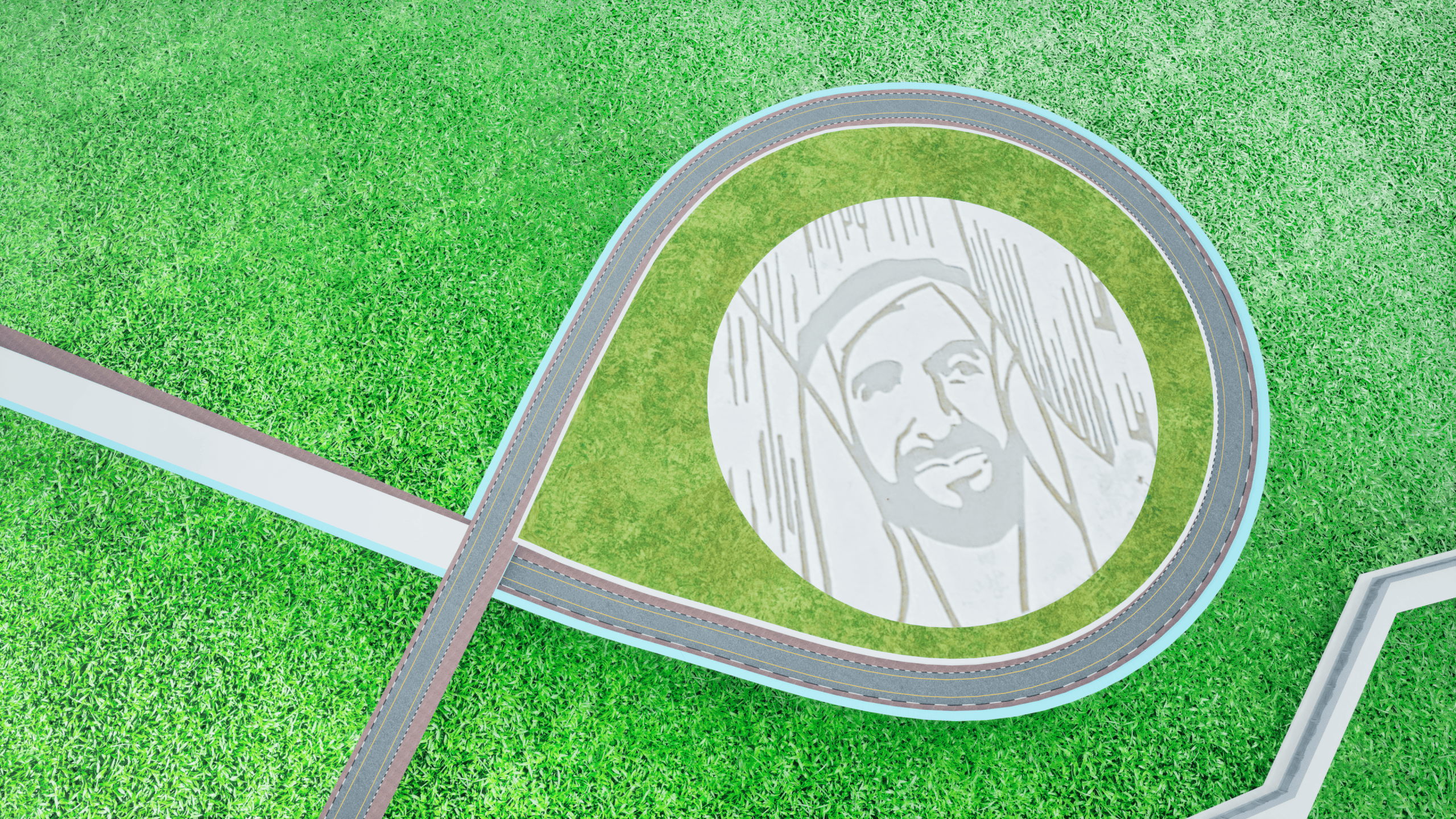
Game environments form the foundation of immersive digital experiences, shaping how players explore and interact with the game world. From realistic architectural spaces to stylized fantasy landscapes, environments define the atmosphere, mood, and overall visual identity of a project.

This project focuses on creating a detailed and optimized game environment that balances visual quality with real-time performance, ensuring a smooth and engaging user experience.

What We Did

  • 3D Environment Modeling: Designed and built detailed landscapes, structures, and environmental elements
  • Material & Texture Development: Created realistic or stylized surfaces to enhance visual appeal
  • Lighting & Atmosphere: Implemented lighting to establish mood, depth, and environmental storytelling
  • Level Composition: Structured the environment to support navigation and user interaction
  • Optimization: Ensured assets are performance-ready for real-time rendering across platforms

Outcome

The final environment delivers a visually immersive and interactive digital space that enhances user engagement and overall experience. By combining detailed design with optimized performance, the environment runs smoothly across devices while maintaining high visual quality.

It can be used across multiple applications, including games, simulations, and AR/VR experiences, making it a flexible and scalable asset. The result is a well-balanced environment that supports both creative storytelling and technical efficiency.

Dubai Frame

Dubai Frame

Digital Twin

Dubai Frame

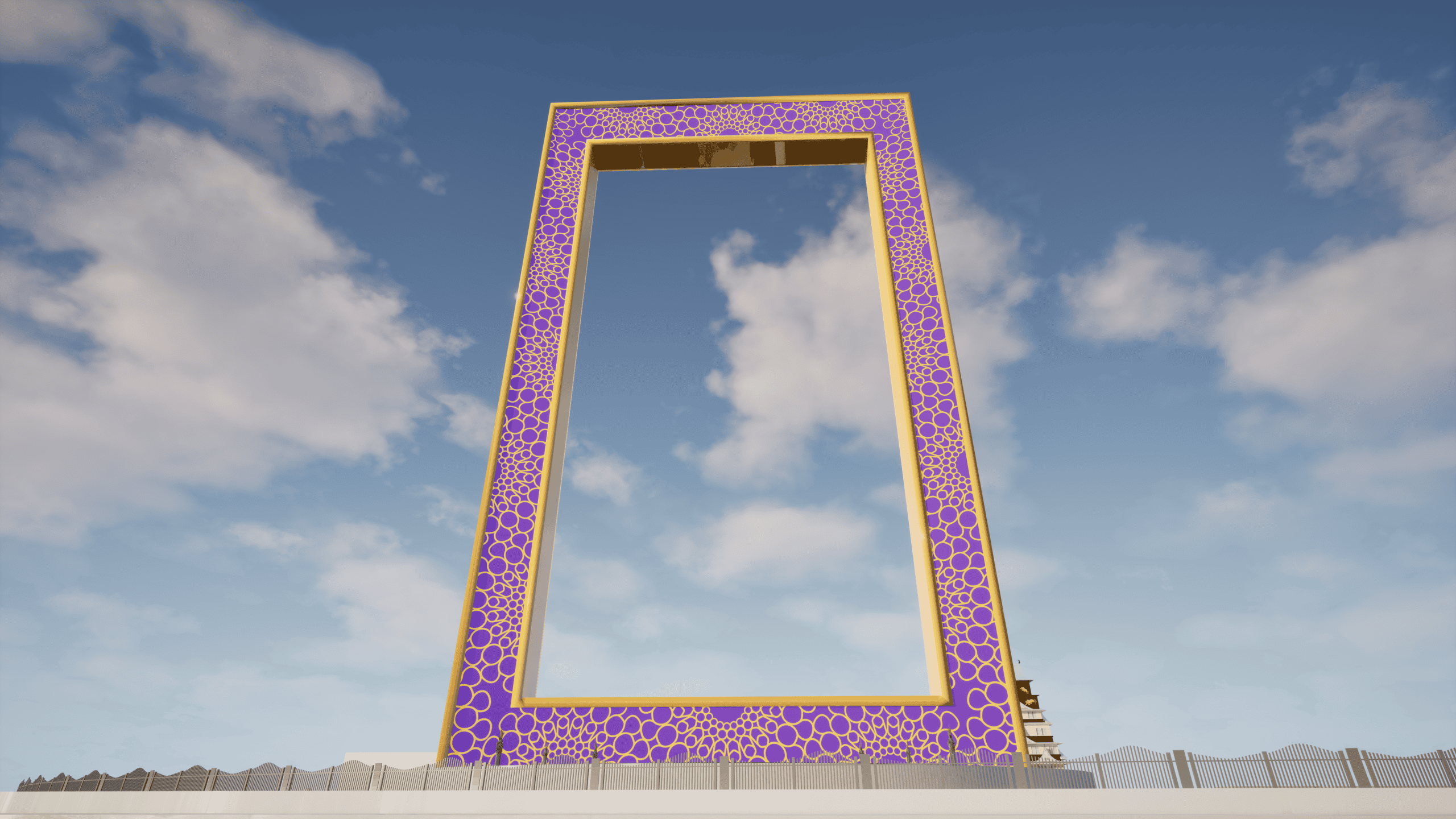
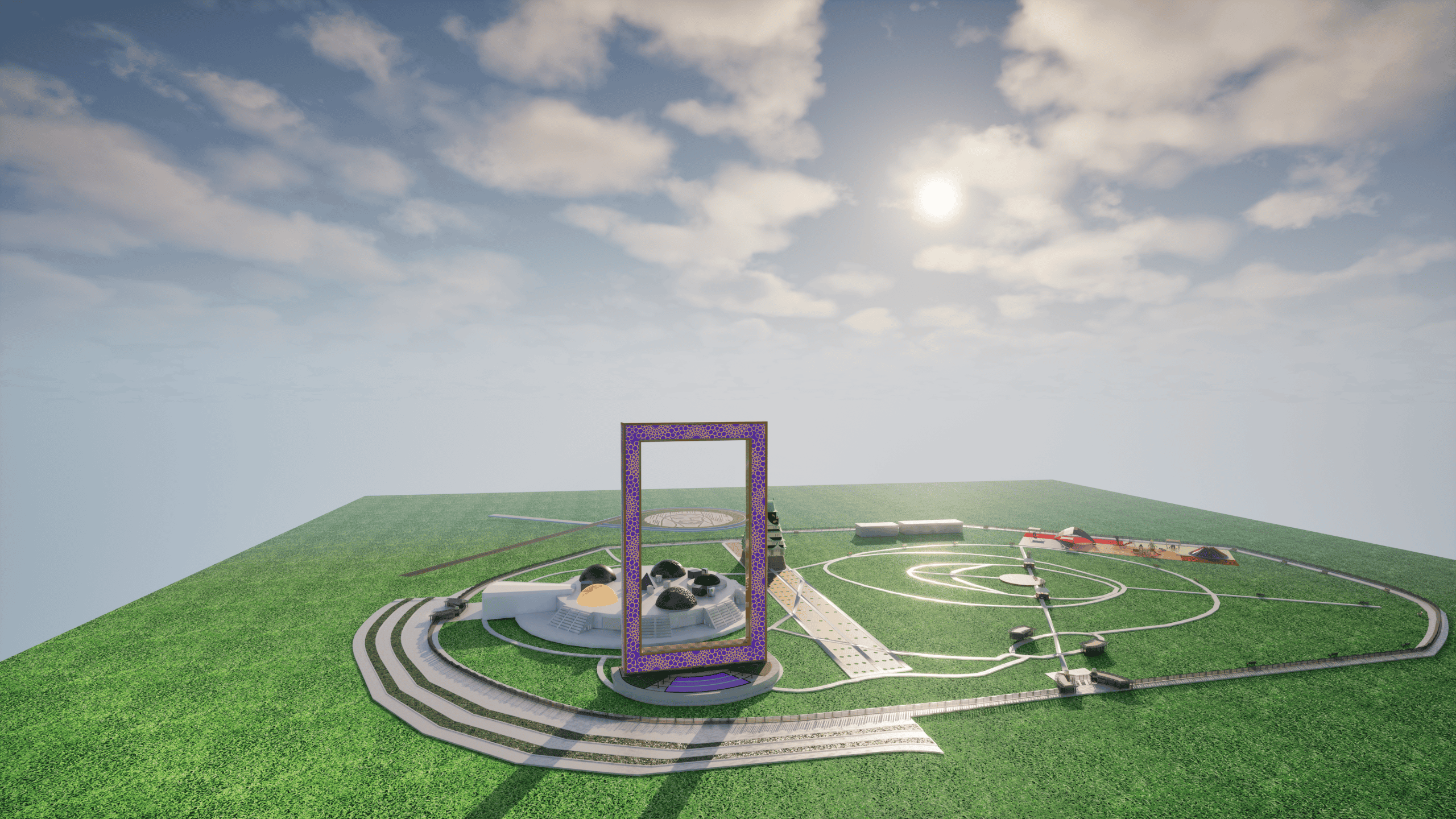
Dubai Frame is one of the city’s most iconic architectural landmarks, symbolizing the connection between old and new Dubai. Standing as a massive rectangular structure, it frames panoramic views of both the historic districts and the modern skyline, representing the city’s transformation over time.

This Digital Twin project recreates the Dubai Frame in a detailed virtual environment, allowing users to explore its structure and experience its scale and design from a new perspective.

What We Did

  • 3D Architectural Modeling: Recreated the full structure with accurate proportions and structural details
  • Material & Texture Development: Captured the distinctive golden façade and reflective surfaces
  • Lighting & Environment: Designed realistic lighting to enhance depth and highlight the landmark’s form
  • Optimization: Ensured smooth performance for real-time interaction across platforms

Outcome

The Digital Twin of Dubai Frame transforms a modern architectural icon into an immersive digital experience. It allows users to explore the structure virtually, understand its scale, and appreciate its design without being physically present.

The project also serves as a scalable digital asset for virtual tours, presentations, and interactive applications. With optimized performance and high visual accuracy, it is suitable for web-based experiences as well as future AR and VR integrations, extending accessibility to a global audience.

The Cenotaph

The Cenotaph

5

The Cenotaph

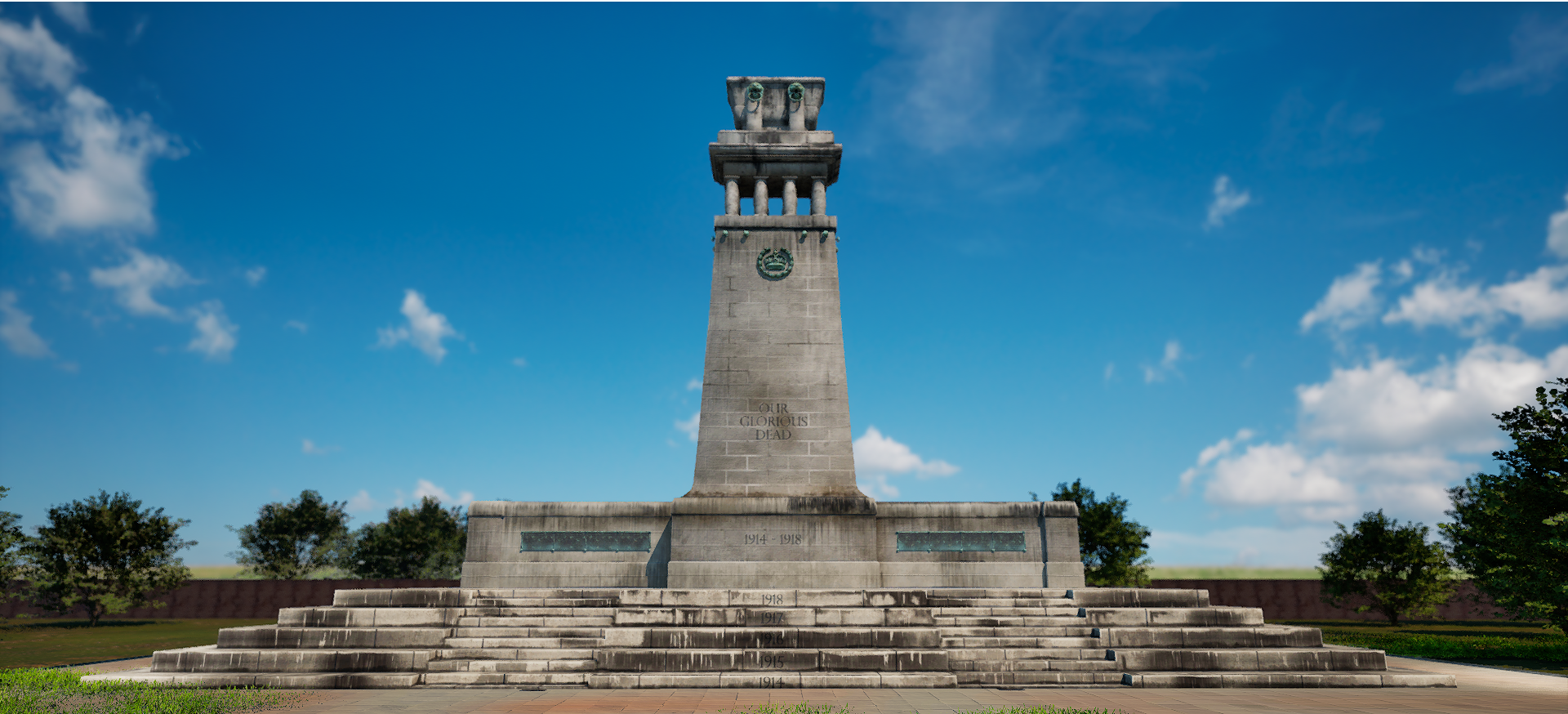
The Cenotaph is a historic war memorial located in Singapore, dedicated to honoring the sacrifices of soldiers who lost their lives during World War I and World War II. As a symbol of remembrance and respect, it holds deep historical and cultural significance within the nation.

This Digital Twin project recreates the monument in a detailed virtual environment, allowing users to experience and explore its structure in an immersive and accessible way.

What We Did

  • 3D Modeling: Accurately recreated the monument’s structure with precise proportions and detailing
  • Material & Texture Work: Developed realistic stone textures to reflect the original surface and aging
  • Lighting & Environment: Designed natural lighting to enhance depth and highlight the monument’s form
  • Optimization: Ensured smooth performance for real-time viewing across platforms

Outcome

The Digital Twin of The Cenotaph transforms a significant historical monument into an interactive digital experience. It enables users to explore and appreciate the memorial remotely, making it more accessible for education, virtual tours, and cultural awareness.

Beyond visualization, the project serves as a digital archive, preserving the monument’s structure and historical importance for future generations. With optimized performance and scalability, it can be adapted for web, AR, and VR platforms, extending its reach and impact.

Sultan Mosque

Sultan Mosque

SHOT 5

Sultan Mosque

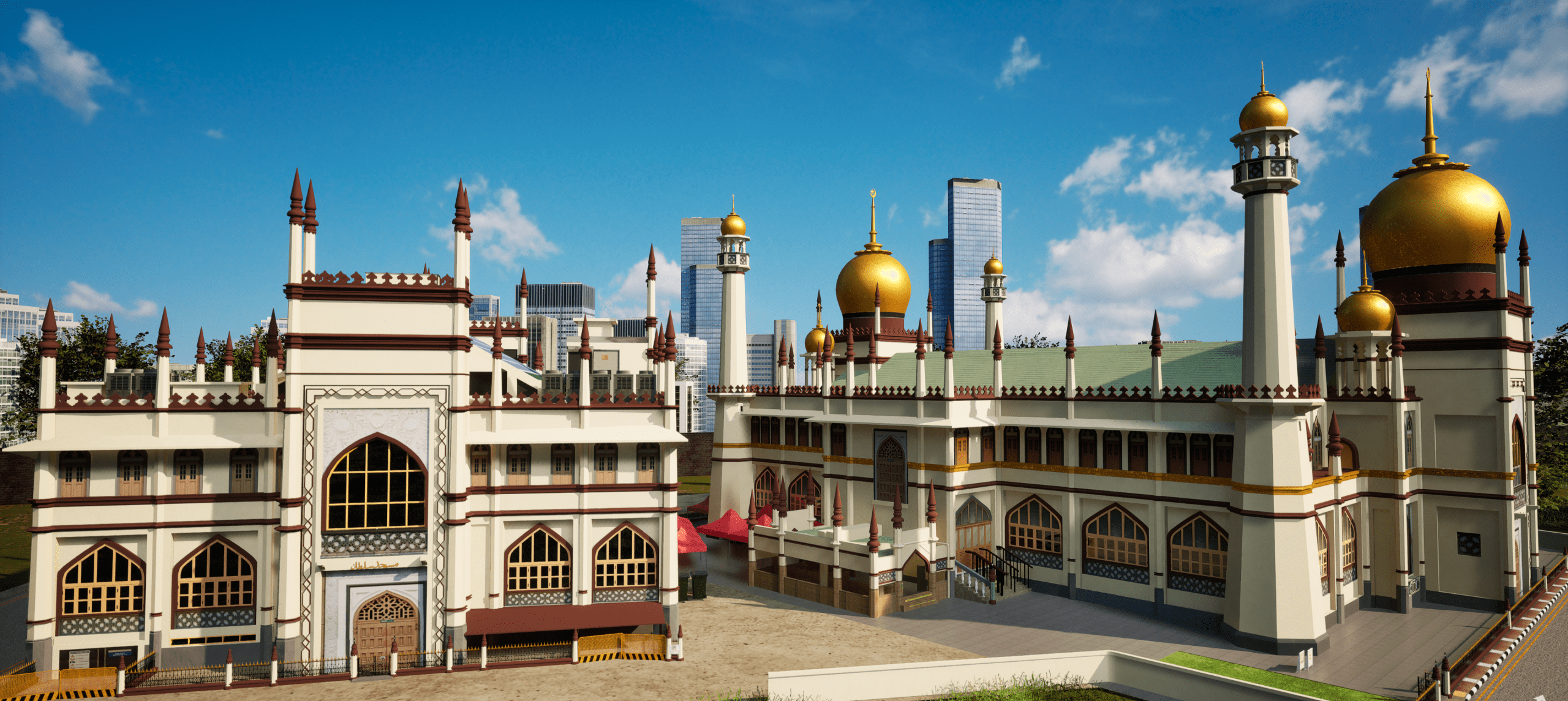
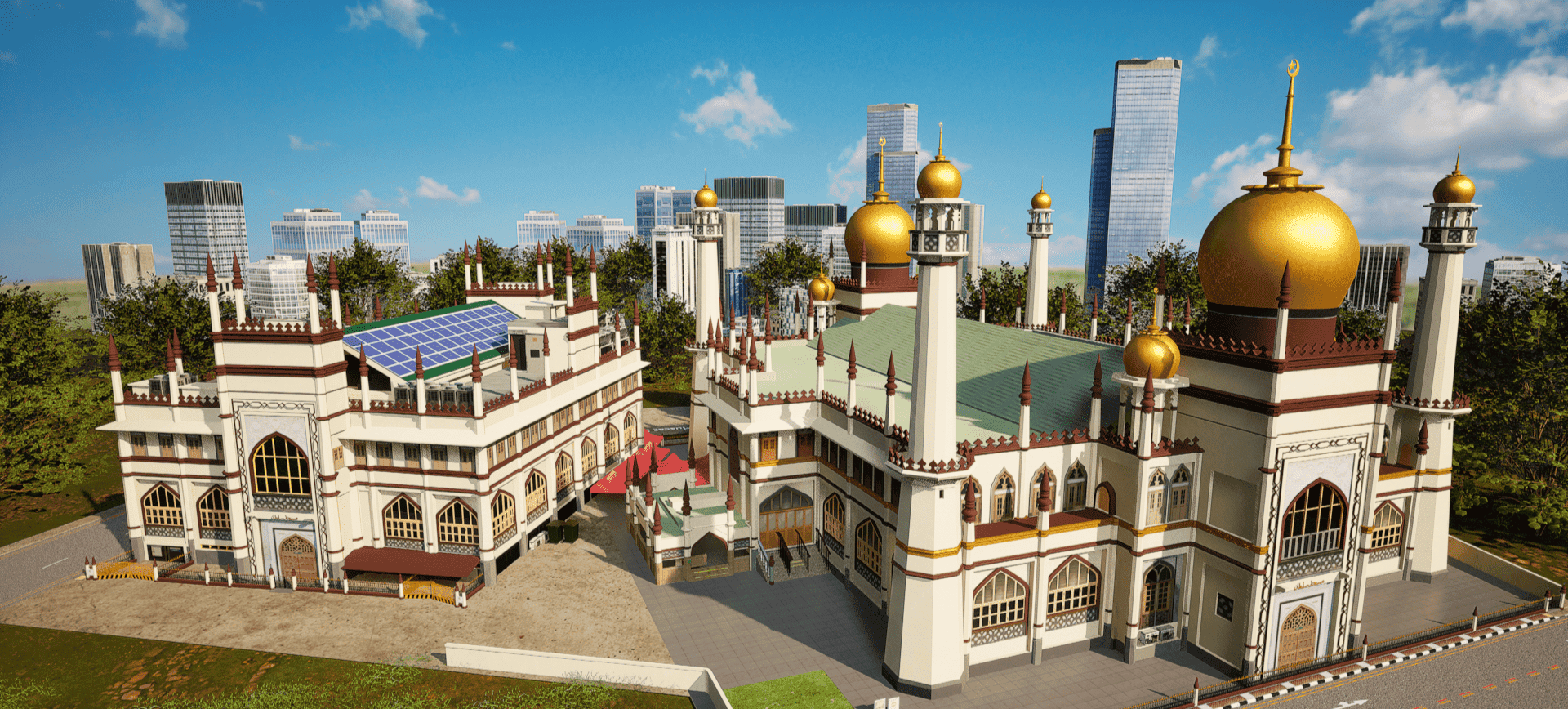
Sultan Mosque, also known as Masjid Sultan, is one of Singapore’s most iconic religious landmarks located in the historic Kampong Glam district. Renowned for its majestic golden domes and grand architectural design, the mosque stands as a symbol of the Muslim community’s heritage and cultural identity in Singapore.

Through this Digital Twin project, the mosque has been recreated in a detailed virtual environment, allowing users to explore its structure and appreciate its historical significance in an immersive and accessible way.

What We Did

  • Detailed 3D Modeling: Captured domes, minarets, and structural elements with high precision
  • Material & Surface Design: Recreated textures and finishes for realistic visual output
  • Lighting Setup: Simulated natural lighting to highlight architectural features
  • Performance Optimization: Balanced visual quality with smooth real-time performance


Outcome

The Digital Twin of Sultan Mosque delivers an immersive representation of one of Singapore’s most iconic landmarks, enabling users to experience its architectural beauty in a virtual environment. It enhances accessibility by allowing global audiences to explore the space remotely while gaining a deeper appreciation of its cultural and historical significance.

Beyond visualization, the project supports heritage preservation by digitally documenting the mosque’s structure with high accuracy. Its optimized design ensures smooth performance across platforms, making it suitable for web-based experiences, virtual tours, and future AR/VR integrations.

Indian Heritage Centre

Indian Heritage Centre

Indian Heritage Building

Digital Twins are increasingly used to replicate buildings and environments in a virtual space. From heritage sites to modern infrastructure, a digital model allows users to explore, analyze, and manage spaces remotely.

These digital environments can simulate real-world conditions such as lighting, structural performance, and user interaction, providing valuable insights for maintenance, renovation, and planning.

This approach is especially useful for cultural preservation, allowing important landmarks to be documented and experienced digitally while protecting the physical structure.

What We Did

  • 3D Architectural Modeling: Built an accurate representation of the structure with precise proportions and design elements
  • Material & Texture Development: Applied realistic materials to reflect the building’s distinctive façade
  • Lighting & Environment: Designed natural lighting to enhance depth, mood, and realism
  • Optimization: Ensured smooth performance for real-time viewing across platforms

Outcome

This Digital Twin transforms the Indian Heritage Centre into an interactive and accessible digital experience, allowing users to explore the architecture without physical limitations. The project enhances engagement by providing a realistic and immersive representation of the building, making it valuable for education, virtual tours, and cultural storytelling.

It also serves as a long-term digital archive, preserving the structure’s architectural identity and cultural significance. By combining visual accuracy with optimized performance, the solution is scalable across web, AR, and VR platforms, ensuring it remains relevant for future digital applications.